 Skip to content

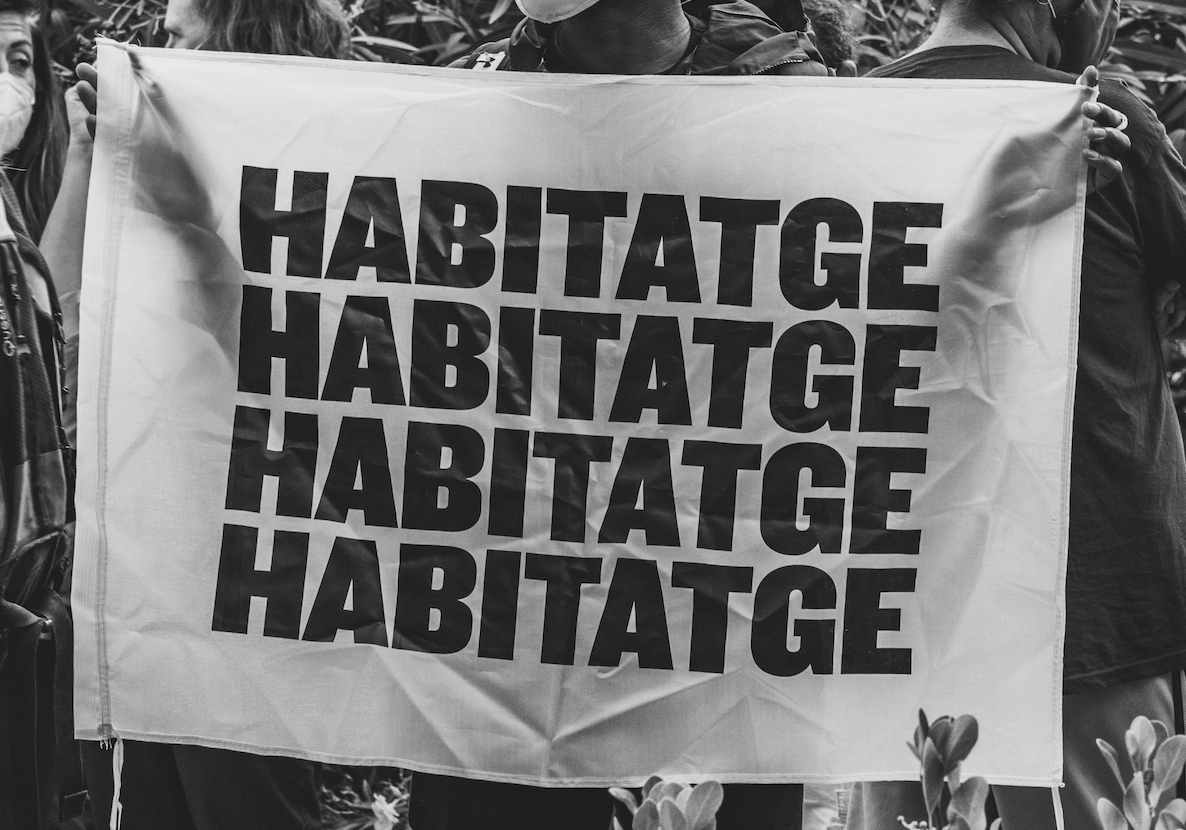
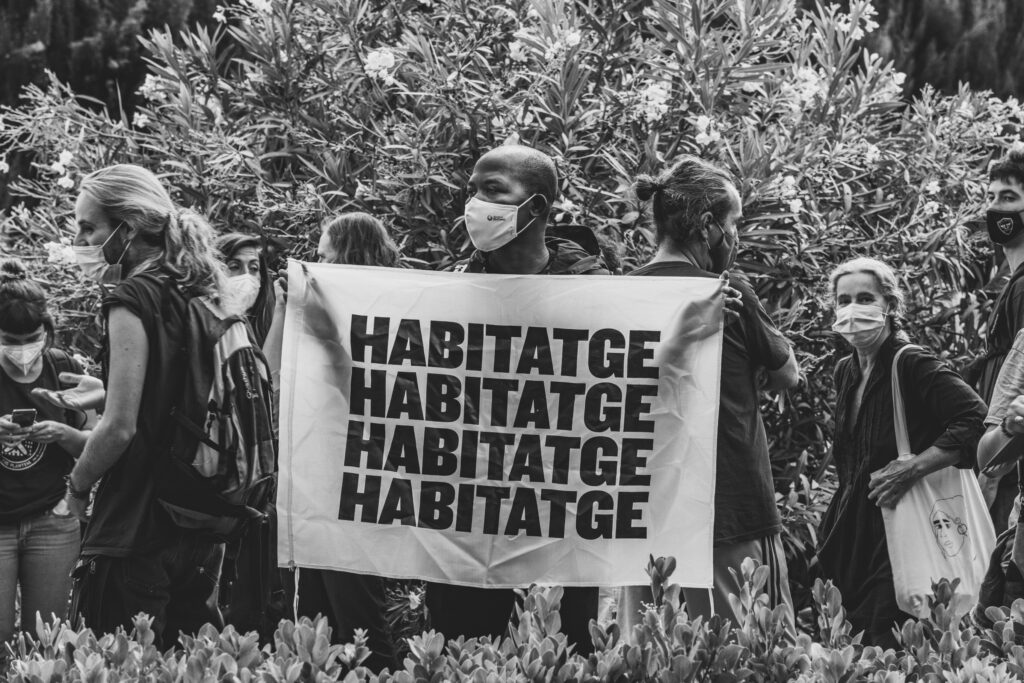
SPAIN — Last summer, hundreds of people were found to have been living in the Madrid airport. Home and homelessness are at the center of Spanish public anxiety. Housing prices in Madrid increased by 21 percent last year. It is very hard for young people to leave their parents’ houses and start an autonomous life — let alone a family. They are condemned to remain forever young. This has created a new branch of literature — for the moment, mostly non-fiction. In Tres millones de viviendas: Cómo pasar de la escasez a la abundancia (Editorial Debate, 2025) Jorge Galindo argues for the creation and construction of more houses, which for some is a taboo after the 2008 crash.
When I travel around coastal cities I hear people talking about the way tourism and expats are changing urban landscapes. In February I was in Málaga on a panel about European values and the intellectual history of the European Union. All the questions after the debate were about immigration. It seems that the left worries about tourists and the right worries about migrants.
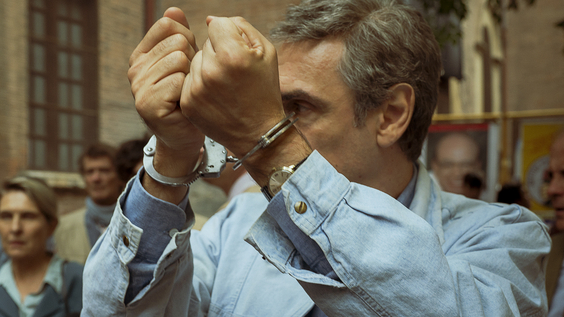
The hundredth anniversary of Rafael Azcona’s birth is also approaching. Azcona was the most important screenwriter in the history of Spanish cinema. Some of his best films were about housing. In El pisito (The Little Apartment), a young man decides to marry an 87-year-old woman so that he can inherit her flat. In El verdugo (The Executioner), a character reluctantly accepts the job of executioner so that he can obtain a state apartment. These films take place in the Spain of the 1950s and 1960s, but they feel strangely contemporary.