 Skip to content

Topic: Architecture
-
Books | The built and unbuilt worldThis article is available for Members only. Check out our subscription plans to become a member.
| Published in
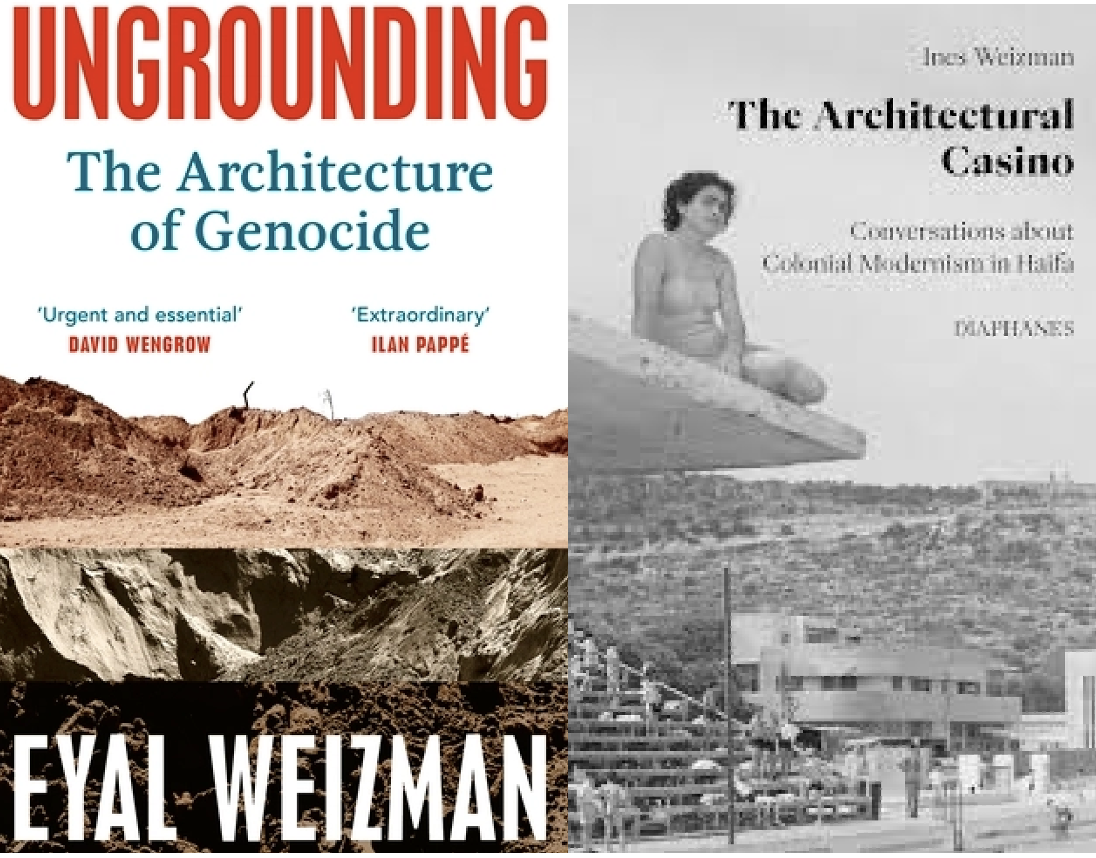
Ines Weizman and Eyal Weizman are a couple. Each has just published a book that uses architecture to explore history, geopolitics, war.
-

A woman in Tangiers: against erasure
| Published in
« I detect the head of a mannequin. Then the grains get too coarse. »
-
Mapping starvation
| Published in
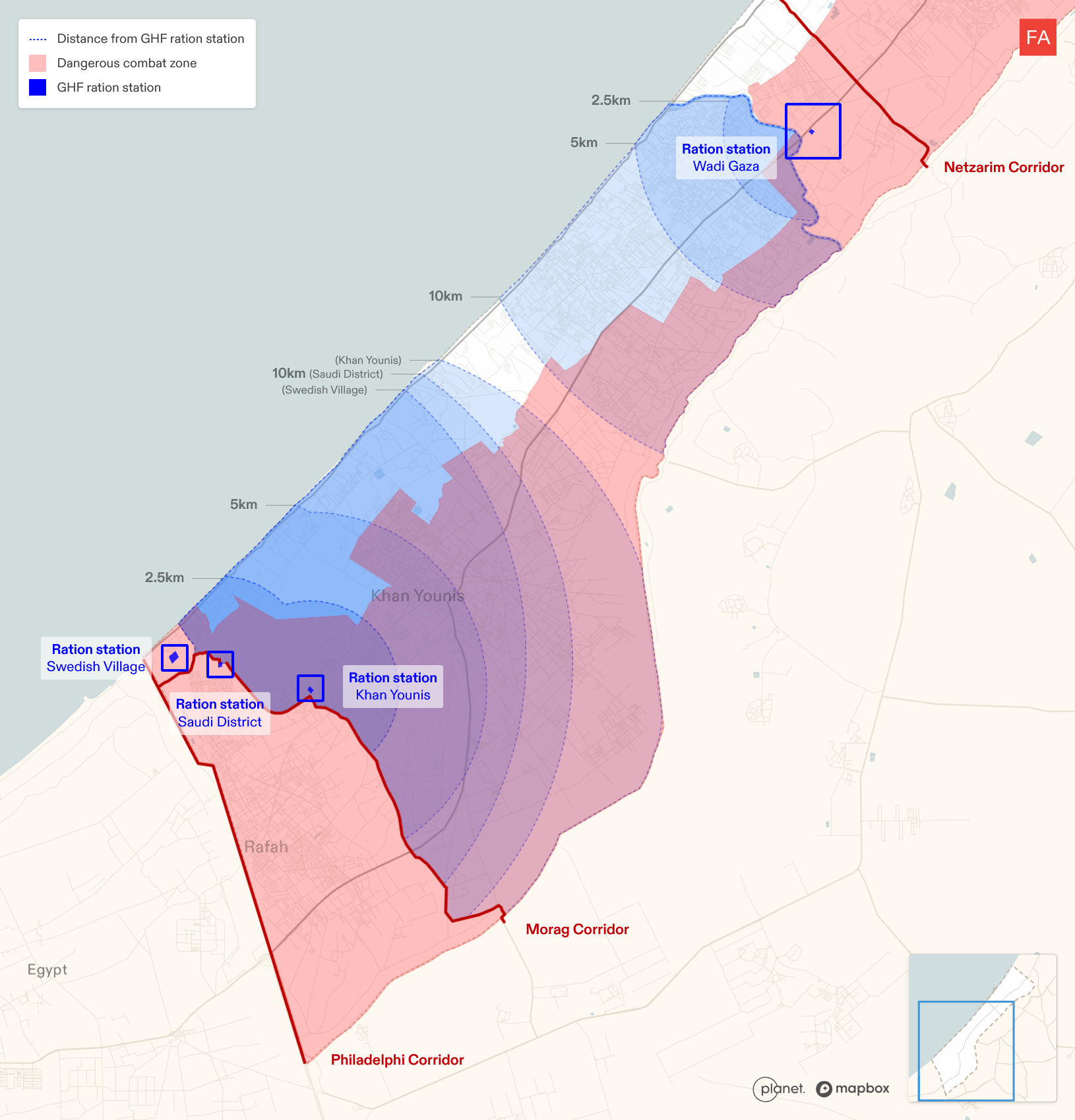
On 21 August, Forensic Architecture, a London-based agency that investigates acts of state violence and lawlessness worldwide, released its latest project: « The Architecture of Genocidal Starvation in Gaza ».…
-

The Palestinian seafront of the future — Joséphine Baker in HaifaThis article is available for Members only. Check out our subscription plans to become a member.
| Published in
Long ago, on the coast of Palestine, an elegant Modernist casino was frequented by Muslims, Christians, and Jews. One night in 1943 Joséphine Baker performed.
-
The shortest, longest bus tripThis article is available for Members only. Check out our subscription plans to become a member.
| Published in
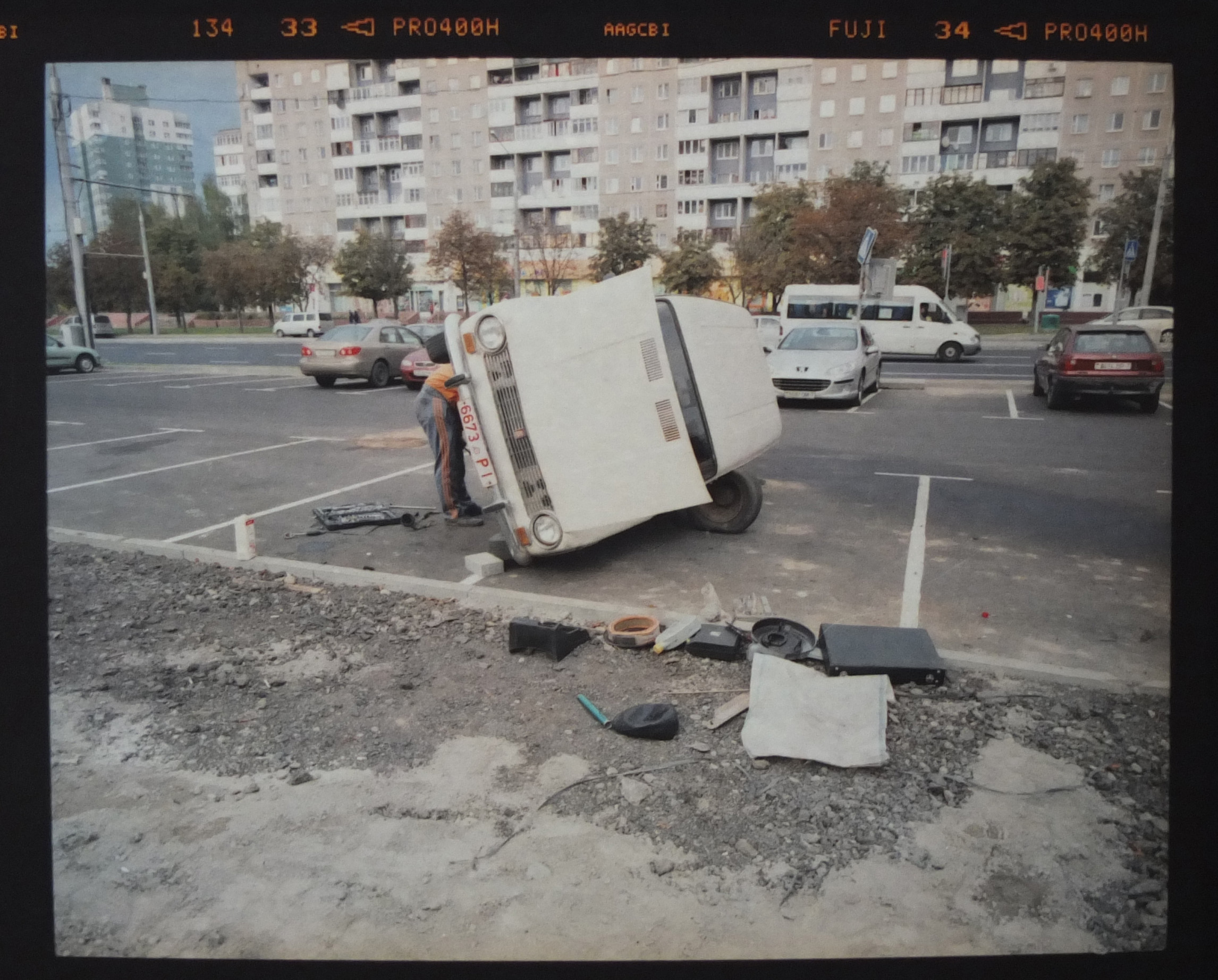
Travelogue of a day in Minsk & an eternity at the EU border.
-
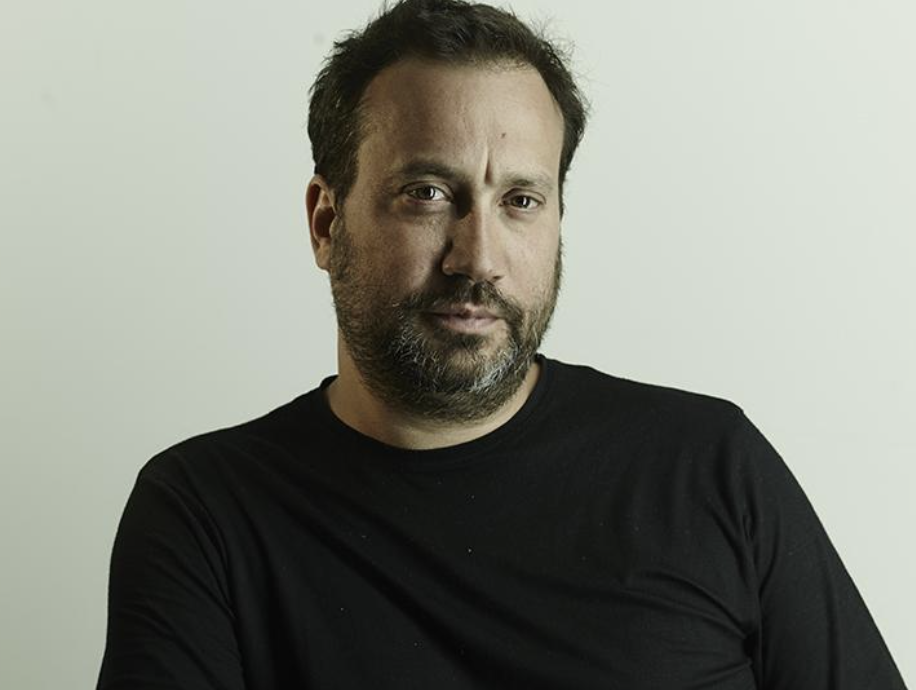
A worm’s-eye view of GazaThis article is available for Members only. Check out our subscription plans to become a member.
| Published in
An interview with Forensic Architecture’s founder Eyal Weizman. « Overground Gaza becomes de negative shape – the reflection – of Underground Gaza. »
-

The Van Leer headquarters is not a fish tankThis article is available for Members only. Check out our subscription plans to become a member.
| Published in
« The office of the future » is all well and good, but what can be learned from the offices of the past that have sustained? Like: The Van Leer…
-
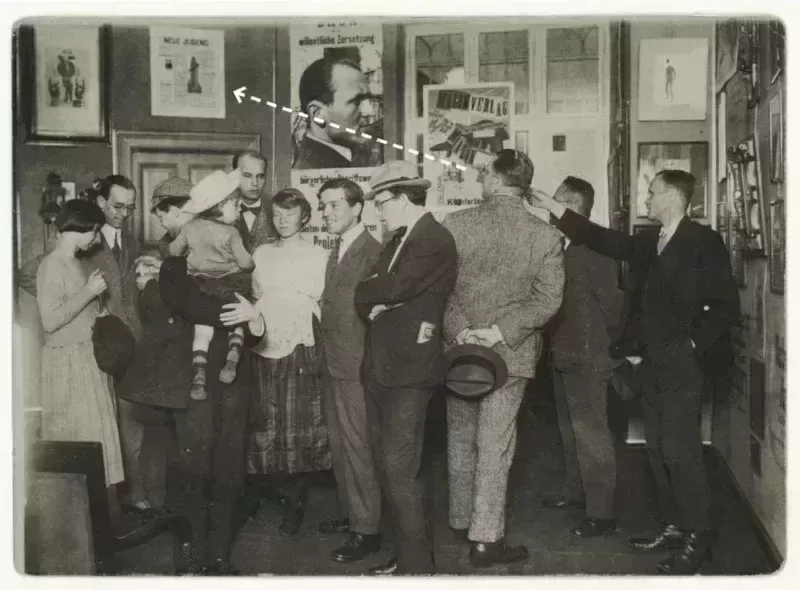
The Mass of MiesThis article is available for Members only. Check out our subscription plans to become a member.
| Published in
« Less is more »? The scale and shape of his body gave the architect Mies van der Rohe an unequaled weight and architectural authority.
-

An axe to grind should make you sharperThis article is available for Members only. Check out our subscription plans to become a member.
| Published in
Forensic Architecture charts state-organized crimes, genocide and other disasters in three dimensions. « Flat maps can’t convey the politics of water and shit. »
-
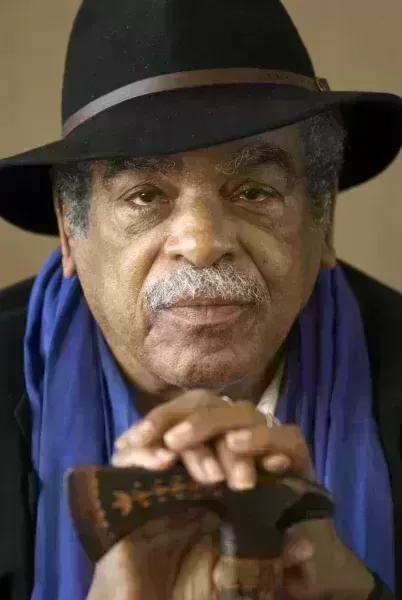
The Archipelago Conversations, an excerpt — Interview with Édouard GlissantThis article is available for Members only. Check out our subscription plans to become a member.
| Published in
An excerpt from The Archipelago Conversations with the late French Carribean philosopher and poet. « The archipelagos of the Mediterranean must encounter the archipelagos of Asia, and the archipelago of…
-
Back to the officeThis article is available for Members only. Check out our subscription plans to become a member.
| Published in
From the office of the future to the office of the past. What endures?
-
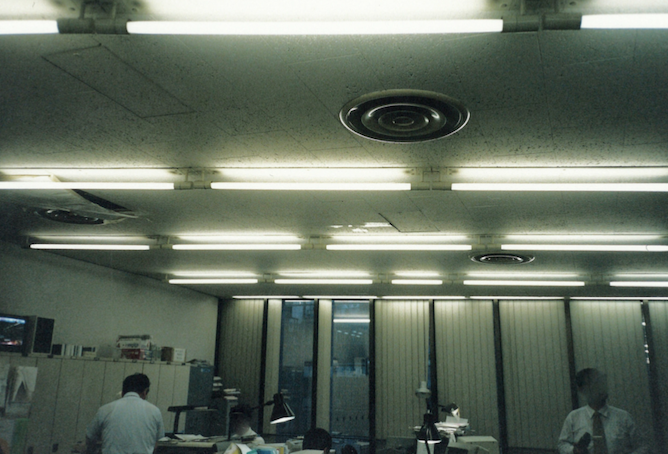
The Shizuoka Press and Broadcasting Center is a Metabolist pearlThis article is available for Members only. Check out our subscription plans to become a member.
| Published in
« The office of the future » is all well and good, but what can be learned from the offices of the past that have sustained? Like: The Shizuoka Press…