 Skip to content

No European saw better how this continent goes on killing its own after the shooting stops, than the Austrian writer Ingeborg Bachmann (1926-1973). The machinery of killing she locates in an unsuspected place: the family. After 1945, fascist reflexes survived in language, marriage, respectability and any number of social conventions. The thought drove her to write the Todesarten (say, ways of death, or of dying), an unfinished literary cycle. Only one novel from this cycle, Malina, was published in her lifetime, in 1971.
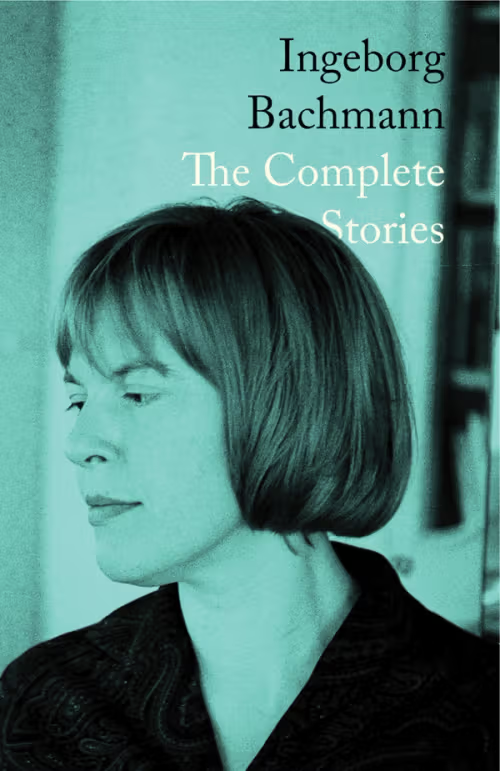
« Der Tod wird kommen », the unfinished story we publish here, is that thesis rendered in collective form. It was written in 1965, first published in 1976, and now translated into English for the first time by Philip Boehm and Tess Lewis, and published in The Complete Stories of Ingeborg Bachmann (New Directions, 2026).
Its narrator speaks as a « we », the voice of a clan that produces everyone, from Monarchists to Nazis, that seats an old SA-man and the relative he helped send to a camp at the same table, that « devised all atrocities » and knows nothing about them. In « Death Will Come », the murderers and the mourners are the same people. Europeans.
Our grandmothers, Anna and Elisabeth, have been dead for years, and our grandfathers Franz and Leopold are dead, as our cousins are aware. We’re a large family and we have deaths and births to list, and this includes even deaths like that of Dr. Kilb, who was our doctor in Stetten, and the murder of Dr. Bärenthal in Hausen. Our dead are dispersed across several cemeteries and if some of us forget them on All Saints’ Day or the anniversaries of their deaths, others will always remember, such as Cousin Lise and Cousin Alwina. On our farms or in our city apartments there are photograph albums that also include pictures of our dead pressed between their pages, some showing them as babies, such as Cousin Ernst and Cousin Mottl. The first was twenty, the second — who’d married into our family — was thirty-two when they died on some battlefield or simply next to a hawthorn hedge, surprised on a walk by a stray bullet, we don’t know exactly. We don’t mourn them all equally and have even forgotten a few of our dead. One day, for example, we had to remind Aunt Mitzi that Aunt Marie from another branch of the family had died years before. Aunt Mitzi had forgotten or hadn’t fully understood this, even though she keeps careful track of everything that happens in the family, especially births and deaths. Vera and Angela and especially Eugene indulged in this kind of forgetfulness, living apart from the family as they do: they rarely even send Christmas cards anymore, they’re often traveling or live in some other country and have started new families that our family only knows about through hearsay.
Our family — and this is its only apparent law — will be there, there for the dead, for the asters, for the china, the liqueur glasses, or flatware given as wedding gifts, and for the good wishes with which they burden the postal service for births, baptisms, birthdays, and Mother’s Days. Our family seizes upon deaths and illnesses, even if these things lie forever beyond its comprehension.
Our family seized on Ernst’s death when he hanged himself after falsifying insurance claims and seized on the death of Rikki, a four-year-old child who got snagged in the belt of an electric chaff cutter, was mutilated, and died. Our family isn’t all of us together or a single branch or line, but a giant sponge, a memory that sucks up all the stories and turns them into its own story. And each of us sits at the very bottom, in its soggy, swollen memory, anonymous but nourished within our anonymity.
When death appears in a comprehensible form, it makes itself known by treading upon a member of our family. When that white envelope is lying in the mailbox, when a black mourning border appears among the mail in the poste restante, when there’s news at the bottom of an ordinary letter — P.S. Did you know that Uncle Karl died ten days ago of stomach cancer? He suffered terribly, it came as a release — then the family steps up and in just a few strokes conjures up a life — Uncle Karl’s life. He spent time in Germany as a laborer, then he married Aunt Resi, Uncle Karl always fiddled with his earlobe, played cards at night at the pub, went on binges, he didn’t go to Grandfather’s funeral and was constantly feuding with Uncle Hans over the garden, over the fruit, Uncle Karl had a beautiful voice and played the lute, and, and . . . and Uncle Karl, now dead, now under the asters. Three decades earlier, he’d been given a set of liqueur glasses, now he’s given a minute of silence, between two activities, two letters from elsewhere, two things that don’t belong.
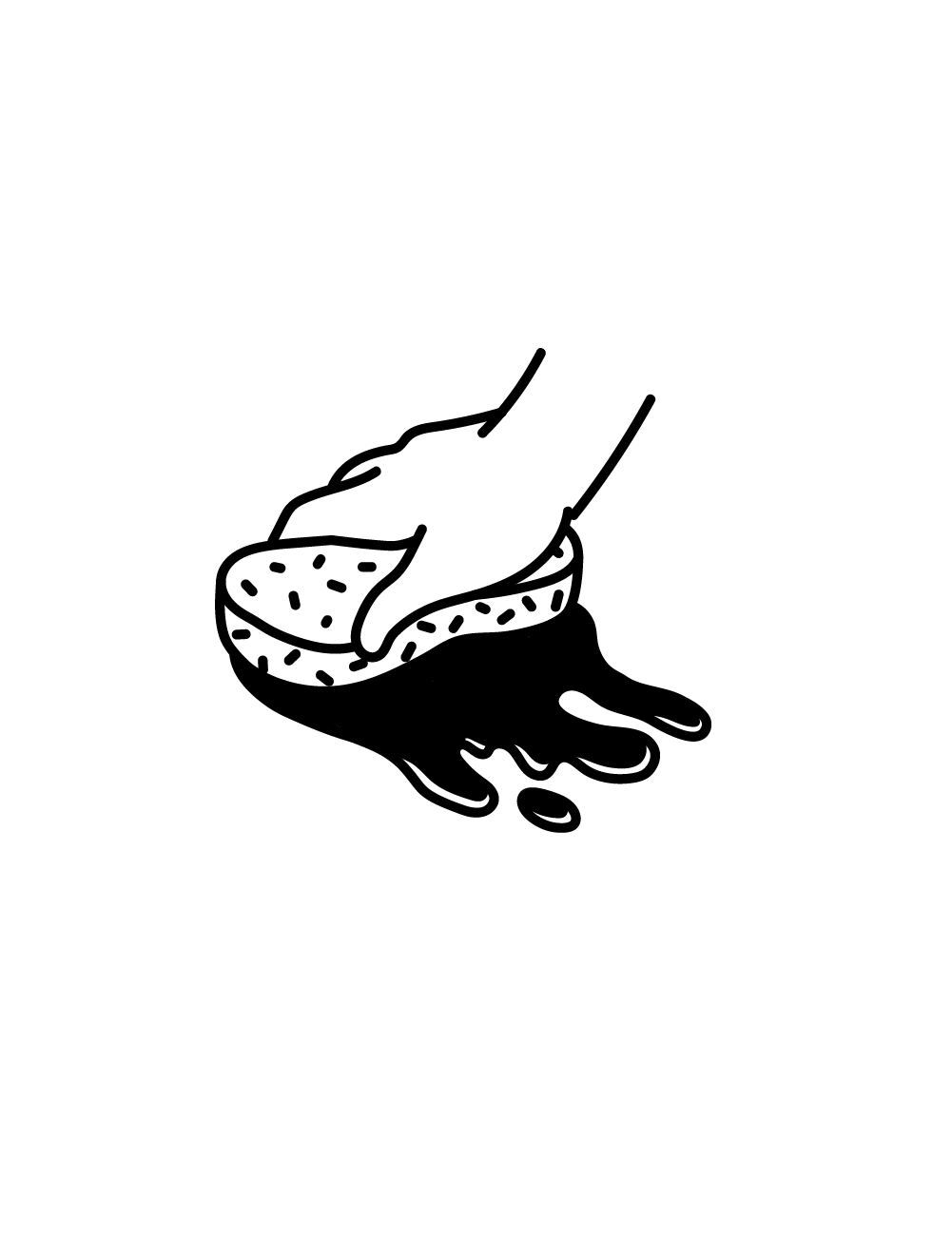
Without any sense of measure or restraint, our family measures its members’ lives: this one went far, that one didn’t amount to anything, another is a disgrace to the entire family, yet another is a tremendous burden. Confidential information and secret judgments are passed on and [. . .] Death will come but will not put an end to it. Because while each individual memory is insufficient, the familial memory is there, limited and narrow to be sure, yet nevertheless a bit longer, a bit more faithful. Faithful out of necessity, for the sake of minor immortality that lasts half a century, then the family, too, will forget the asters for those longest dead, forget to tend the boxwood. To some extent, the family also watches over names, though it’s difficult to say with any certainty why some names are allowed and others are not. Even those who marry into the family comply and are referred to as Trude, Peter, Franz, often Elisabeth or Stefanie, Josefine, Therese, although their full names are used only when dealing with the authorities or during important ceremonies. Their everyday names, the ones typically used, are Lisi and Lisa, Steffi, Fini and Resi, as well as Anni, Rosi, and Edi. Only once, when Uncle Peter became engaged to a young woman named Mary in 1925, was there a real threat to the family names. There was one other occasion, when Cousin Ernst frightened the family with the news he sent while on the last vacation he took before his death, that he intended to marry a young lady named Karin from Uelzen near Hannover. While visiting her dead fiancé’s relatives in 1957, said Karin ended up falling in love with a German summer tourist from the Rhineland and returned with this Wolf-Dieter to regions where her name was sure to thrive better than here.
In our family there are at least two murderers, two thieves, and three tarts although you wouldn’t know from looking at us. Our family has paid its tribute to history and politics, having delegated at least one member — and sometimes several — to each party, and this without any advance agreement. All ideas have been represented in our family, even if not in their most elevated and best formulated form, but popularized — our family trampled the ideas and twisted them into the desired shape and eventually had its Monarchists and Anarchists, its Socialists and Communists. And then the time came when it had its Nazis and anti-Semites, its dunderheads, plunderers, and murderers, and at the same time it also had its victims, and some were both at once, like Uncle Sepp, who was one of the first in the country to join the party and ended up in a concentration camp after quarrelling with other party members over a cartload of wood during the war. A victim of what, no one knows […]
But our family — and this is its charm — knows nothing about the ideas it helped incubate or spread, ideas it helped nourish. Our family is a huge headless body that drags itself through time as its limbs are chopped off and new ones grow. It’s the headless monster for which ministries have been created, as well as religions, moral laws, and legal codes, and in a sense our family is also a holy family because it is often discussed and seems to be irreproachable and divine, simply because it has branched out, because two people mated in the bushes on the banks of the Gail River or because drunk Uncle Edi got Aunt Fini pregnant with yet another child. All this gives our family the right to make claims on the world, this earth belongs to it, and no one would dare dispute their claims. For our holy-unholy family is ignorant and innocent. Our family is not what its individual members are, but all of them taken together, and it rises proudly and bears our name triumphantly. Yes, we belong to it, it is better than we are, not just an idea, but something made flesh.
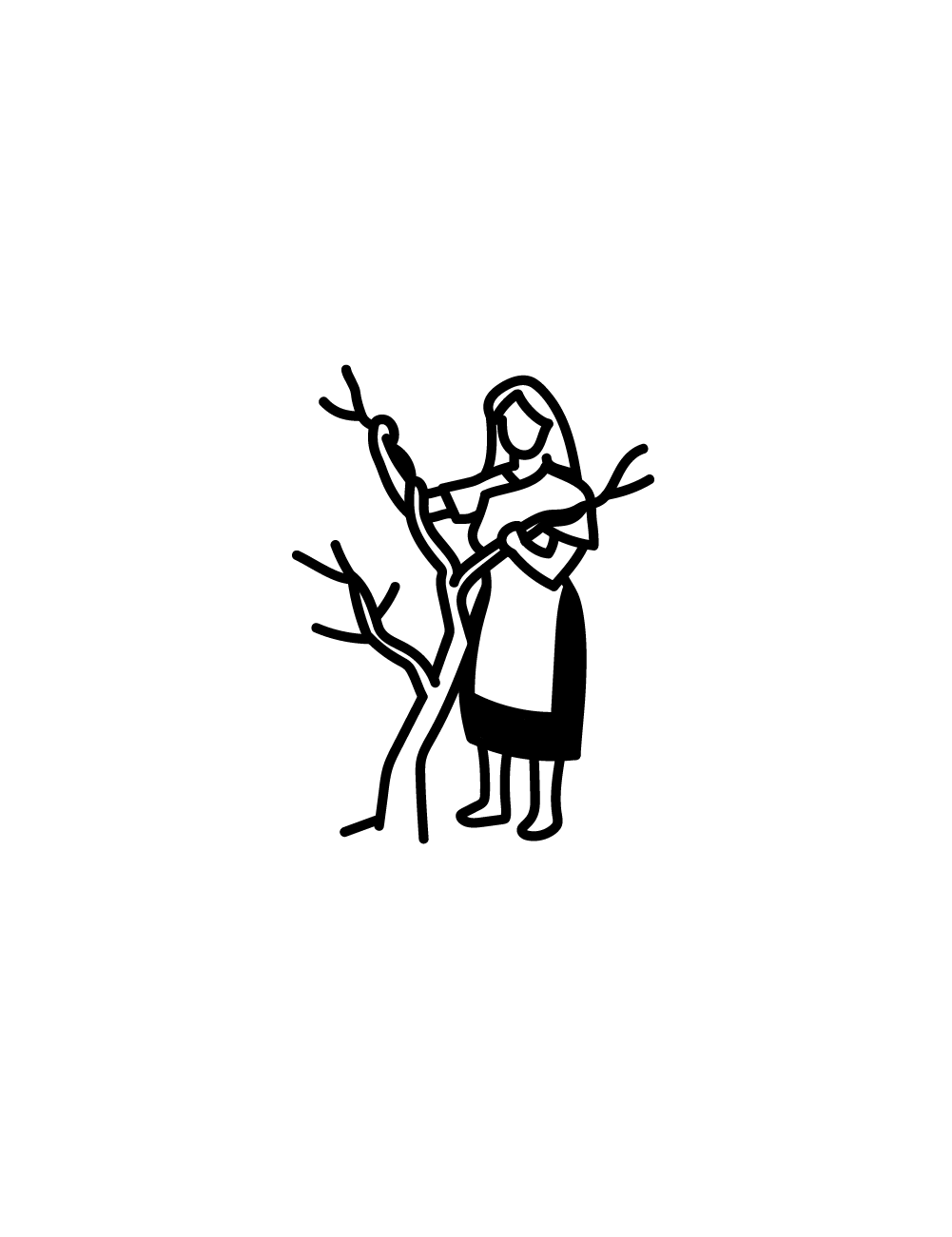
Aunt Lisi must be put in an old-age home. Cousin Rosi had twins, fraternal twins, two girls named Erna and Alwina. Thanks be to God for these blessings. Uncle Sepp has been hospitalized for the third time this year. We sigh, the entire family sighs in unison, when one of us is hospitalized. The family is well-furnished with illnesses. If there weren’t such sighing and moaning about illnesses, one would have to assume that they were all eagerly waiting for one of us to fall ill. Rosi is sick, so Aunt Erna has to rush over to K. to take care of the children. She writes everyone about it and Aunt Lisa goes to relieve her until Fanny, our oldest cousin, is finally obliged to take in all the children and feed them until Rosi has recovered. Meanwhile when Fanny is sick, Aunt Maiza is the only one who visits her. Oh, but there are unwritten laws! In every family there are always certain women who take care of all the children, who deal with all the illness, who provide all the help, and there are those who are less involved in this but take care of other things. Our cousins Maiza and Winne, for example, keep the family supplied with conversational fodder about their shameless, unacceptable behavior. The entire family is constantly outraged at both the oldest and most recent stories about our two cousins. Maiza got a divorce, started running after the priest, has slept with half the village and now, according to Aunt Lisa, « no one will have her, » so she sticks to Italian construction workers and men traveling through the valley. Winne is the youngest and is on her third affair with a married man. The family knows the two versions of Winne’s contemptible life — the version accepted as food for gossip and the real one. They let only a small part of the truth filter through, but then among themselves their fervor for details is all the more judgmental and cruel. The family judges every member, there are accusers and defenders and an audience, in each case they play a different part, the defenders are sometimes spectators as well, the accusers sometimes defenders.
Those who accuse Maiza are unconcerned about Winne, only the elders are strict with everyone, and only the dead can be transfigured into role models. Our grandfathers have been transfigured as have our grandmothers, not to mention our great-grandparents, who have already sprouted wings and shine a light from on high onto the black […]
Occasionally, and for years, one side of the family will be ashamed of the other side. Our Uncle Edi is ashamed of his wife, our Aunt Erna is ashamed of his family, and Cousin Edi is ashamed of Uncle Edi, Aunt Erna, and all their children. They feel shame in front of strangers, commissioners, district judges, summer tourists, each for their own reasons. Uncle Edi is ashamed because Aunt Nana stole pumpkins from a field that belongs to one of Aunt Erna’s relatives, and he’s ashamed because Fredi is a Communist and talks over the fence with the summer tourists about « clean government », pensioners, and « salaried employees », while having in mind Uncle Sepp who lives on a pension. And Fredi turns red whenever he’s reminded of Sepp’s existence, a former SA-man who took part in heaven knows what kinds of « operations ». These operations were often mentioned, and Sepp won’t stop talking about the officers and about the Jews, how it was their fault that the war was lost, and every evening before his children go to bed, he tells them: Austria is our homeland, but Germany is our fatherland. And he sends his children to an illegal association, where they are taught what he learned later in life: to sing again, unfurl flags, light campfires. Meanwhile Aunt Resi shakes her head, she knows what he’s up to, which means the whole family also knows it, under the seal of secrecy: it will not end well. He should at least leave the children out of it. The children. The children. Aunt Erna says that things won’t turn out half as bad and spreads the story further. And they all keep spreading stories, how Irg still believes Hitler is alive, how newspapers print nothing but lies these days, a pack of lies, Peter adds, and Hansi says he doesn’t want to have anything to do with politics; Irg says that if it starts again with the Russians, he’s back in right away, he knows the Russians, he was in the Caucasus, five from our family were in Russia, they know the Russians, two were in France, they know the French, two were in Norway and Greece, they know all about the Norwegians and the Greeks. None of them have much faith in the countries they know, and, after all, our dead are in Russia and Greece and Poland and France, but we’ll no longer find out what they’re thinking, and Kurt and Seppi went to Italy once, to the large cemetery in Aprilia, where they put flowers on Hans’ grave. They talk and others repeat what they say: that the cemetery is well maintained, beautifully kept; it’s enormous, such a massive cemetery, you can hardly believe how big it is and very well cared for.
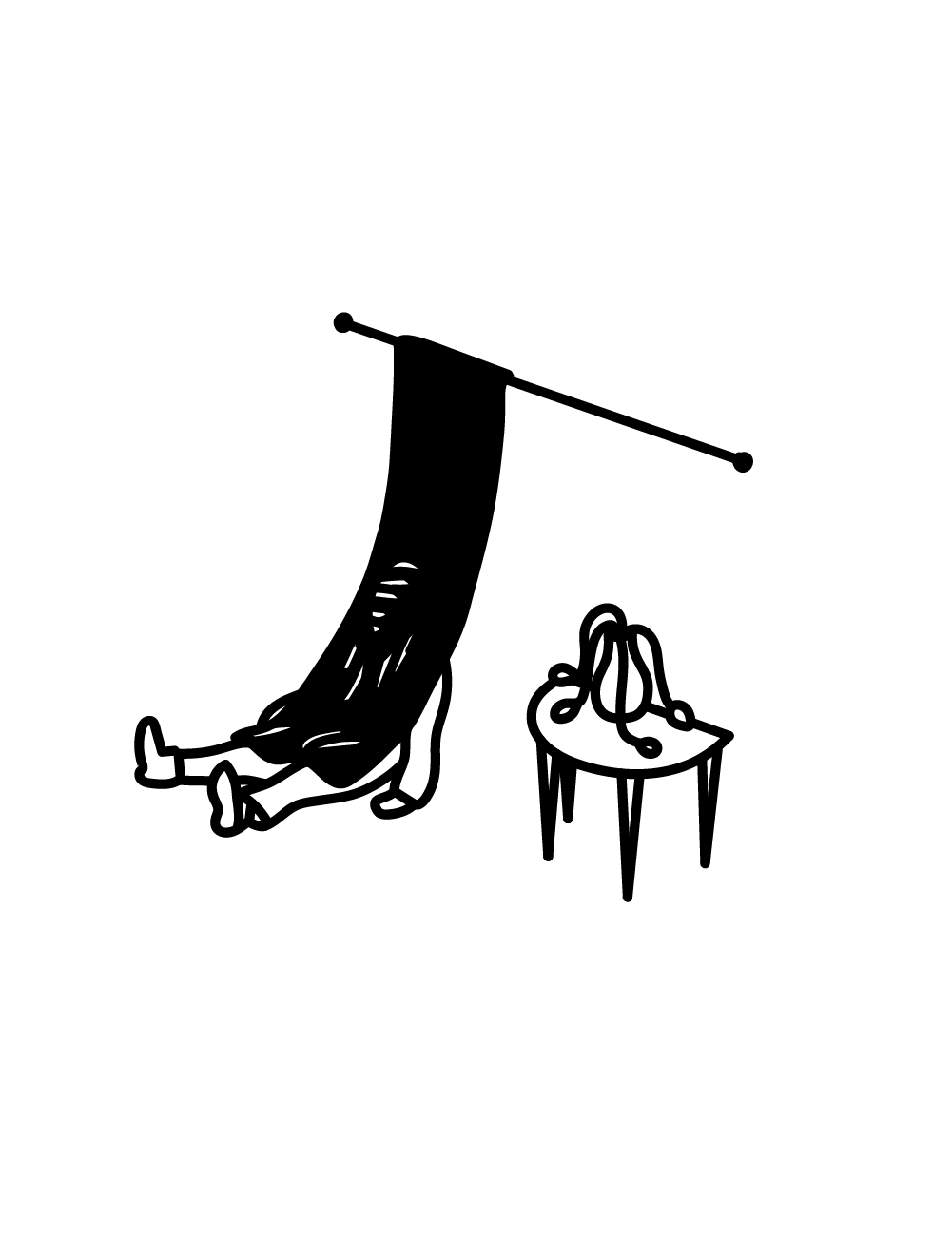
Our family has an appreciation for magnitude, for great eras and for all that is formidable.
And then there’s our family’s language. How could anyone understand our family if they don’t know its language, a language that is ancient and wild and static and hammered into maxims, and this language, like all languages, sometimes seems to have long lost its connection to any object and sometimes to be located at the very source of poetry.
This is the language of our family:
Fredi isn’t worth a red cent.
Erna doesn’t want to get her hands dirty.
Nothing Hans says holds water.
We have a sixth sense, and you must be pulling my leg and Jesus, Mary, and Joseph, and he took her like a hooker off the dance floor, once a whore, always a whore, God bless, beggars can’t be choosers. Our family parrots others, talks the live-long day, talks and talks, in the kitchens, in the cellars, in the gardens, out in the fields, no one understands what they have to talk so much about, but they fill the world with their […].
Aunt Erna is at the fence again with the neighbor, Uncle Sepp’s drinking his generous portion of schnapps in Uncle Edi’s pub, they talk about hay, about hot poultices, the weather, butchering pigs, the community, tenant farming, the cooperative. Our family makes sure nothing in the world is left undiscussed; they have their own opinions about everything, which they refuse to part with, although at times, for a while, for seven years, they weren’t allowed some of these opinions, but then they had them again. Our family created whatever prejudices in the world that didn’t already exist, they devised all atrocities. In our family they say: he or she should be strung up or denounced or doesn’t deserve any better. Still, our family has a gentle side, they’ve shed tears and sobbed over the evils of the world, over a dead cow, over Aunt Maria, over Maiza’s misfortune; our family prefers to cry over itself, over what happens to them, rarely over what happens to others, from which they get a shudder that they relish: did you hear they found Taller in Obertal with three stab wounds in his belly? Our family enjoys bad news, for them no city was bombed heavily enough, no death-toll was too high, they always increased it, turning a hundred into nearly a thousand to make the shudder even stronger, they wallow in misfortune, but to be fair, they also increase their own misfortune, the suffering one of their own has endured is […].
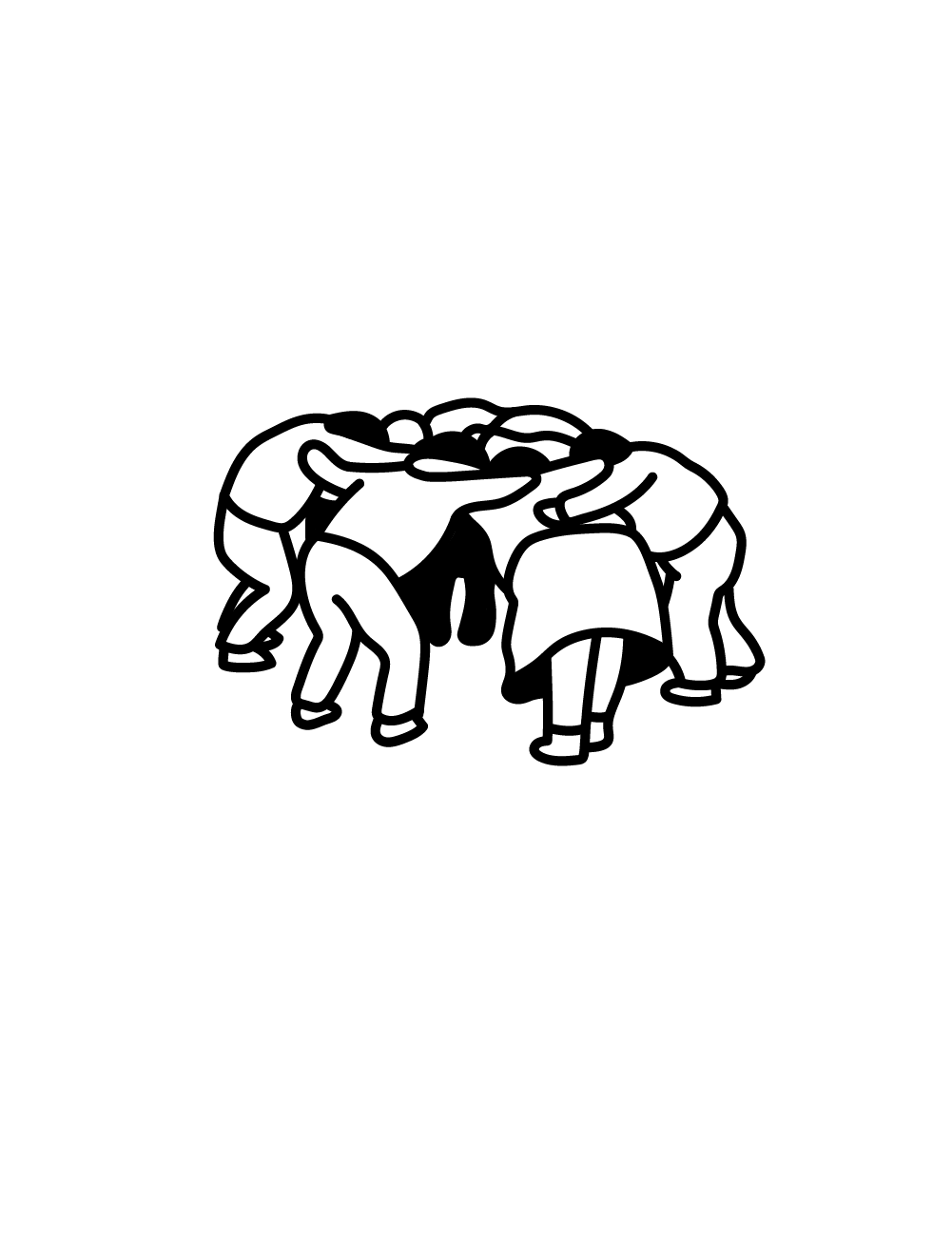
In our family, everyone must take after someone, that’s the law, even the youngest children are found to take after someone, Nona or Uncle Hans, who’s buried in Aprilia, or Aunt Anna. The greatest honor is given to anyone who may look like Nona, one of our grandmothers, who nevertheless inspires dread when she’s mentioned and is deemed worthy of most of our family’s secrets. Now and then someone alludes to how tough she was, that she never gave any of her grandchildren a bit of sugar, how lonely she was, how she was smarter than all the others, how she read books and knew all about history, about Rudolf von Habsburg and Emperor Maximilian and Prince Eugen, and how loudly and clearly she would read from her history book in her bedroom for hours, no one could go in to see her, and no one could address her informally, as « Du ». In the end, she was convinced that everyone was trying to poison her, that there was a plot against her — back then, Aunt Erna was always in tears because she almost believed that the others were convinced she wanted to poison Nona, and Uncle Peter refused to come to the house because he wouldn’t tolerate being called a murderer by his own mother […].
Would I deserve to be part of a family if I betrayed its murderers and denounced its thieves? It’s possible to accuse other families of their crimes and faults, but never, ever, would I betray my own, with all its festering sores. And yet I’m allowed to see more in my family than in any other. I developed a great eye for our family, a great ear for its languages, a great silence over so much that needed to be kept quiet, even at such close range.
Let us keep silent. Our family, which has spread out over the earth like humanity in the midst of alien creatures, our family that has rendered the world incurable.
I and We. Do I sometimes no longer mean just We? We women and We men, We souls, We damned, We sailors, We blind ones, We blind sailors, We who know. We with our tears, vanities, wishes, hopes, and despair.
We indivisible, divided by each one of us, but still We.
Don’t I mean We who are heading towards death, We who are accompanied by the dead, We who are sinking to the ground, We the wasted?
We inhabit so many moments. So many thoughts I can no longer think alone. So many tears may not be shed for me alone.
To Us: we offer wishes for the New Year. For Us: we wish that things go better for Rosie and we wish Aunt Erna a gentle death. We fear Uncle Edi, think often of Nana.
Nana, who flitted through doorways and mixed potions that drew the livestock to the drinking trough. Nana, who said, Oh God, oh God. That’s how each of her sentences began. Nana, who went insane and had to be tied to her bed. Who was in the asylum, who was afraid of starving to death, whom no one gave any bread, who stole the pumpkin from the neighbor’s field. So little of her, so much of her, who was she, who is she, our dead Nana?
Don’t penalize her. Don’t punish Us because of any single one of us. A brood of vipers, the chosen, that’s who we are, who one wants to trample and another wants to see us achieve great things. Always We, I want to be loved for all of Us.

« Death Will Come » by Ingeborg Bachmann, translated by Philip Boehm and Tess Lewis, from The Complete Stories of Ingeborg Bachmann, copyright © 1978 Piper Verlag GmbH, translation copyright © 2026 by Philip Boehm and Tess Lewis. Reprinted with permission of New Directions Publishing Corp
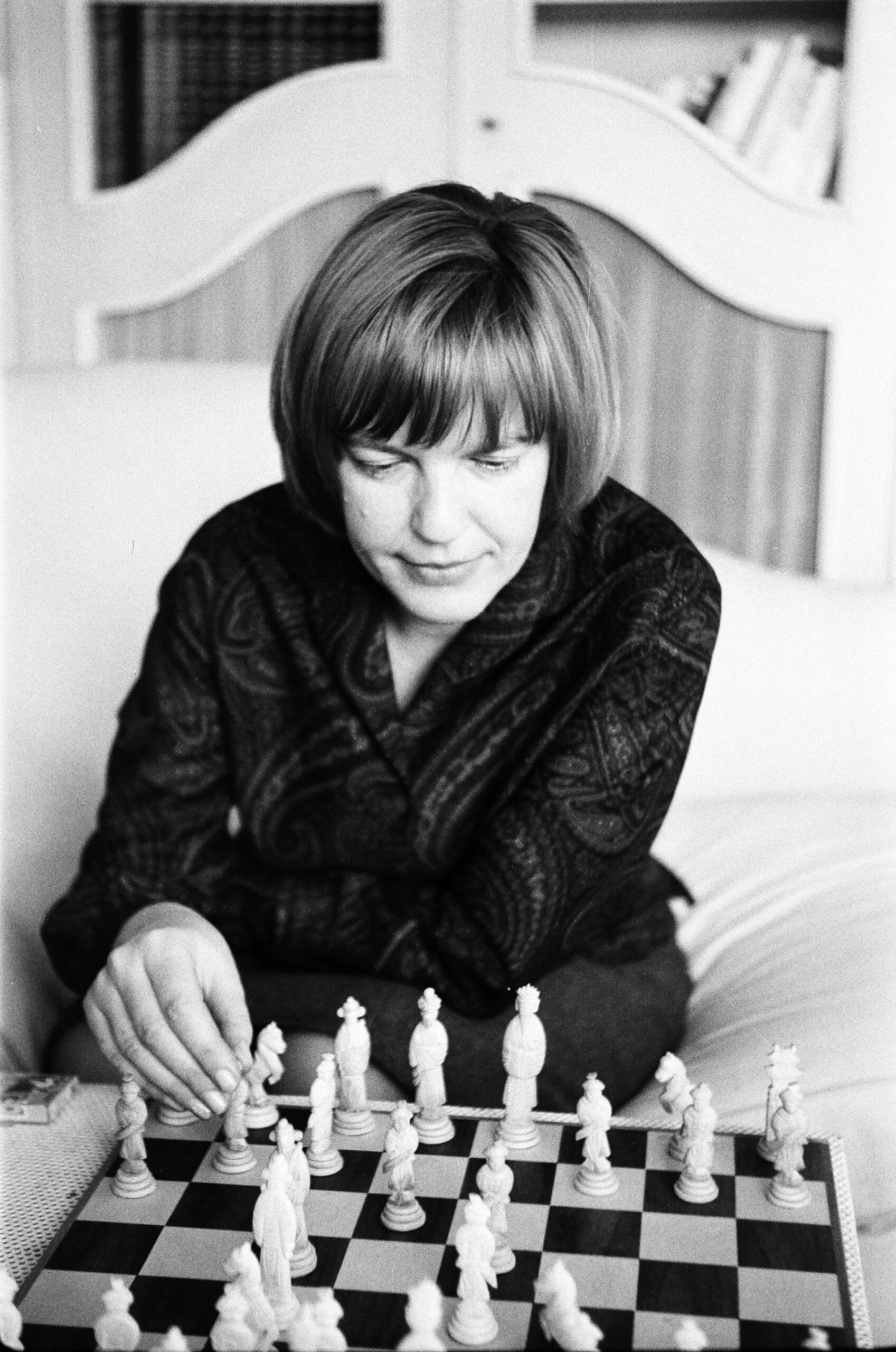
Author portrait by Heinz Bachmann, via New Directions.