 Skip to content

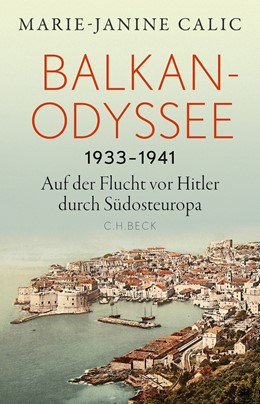
Balkan-Odyssee, 1933-1941. Auf der Flucht vor Hitler durch Südosteuropa
Marie-Janine Calic
(C.H. Beck, 2025)
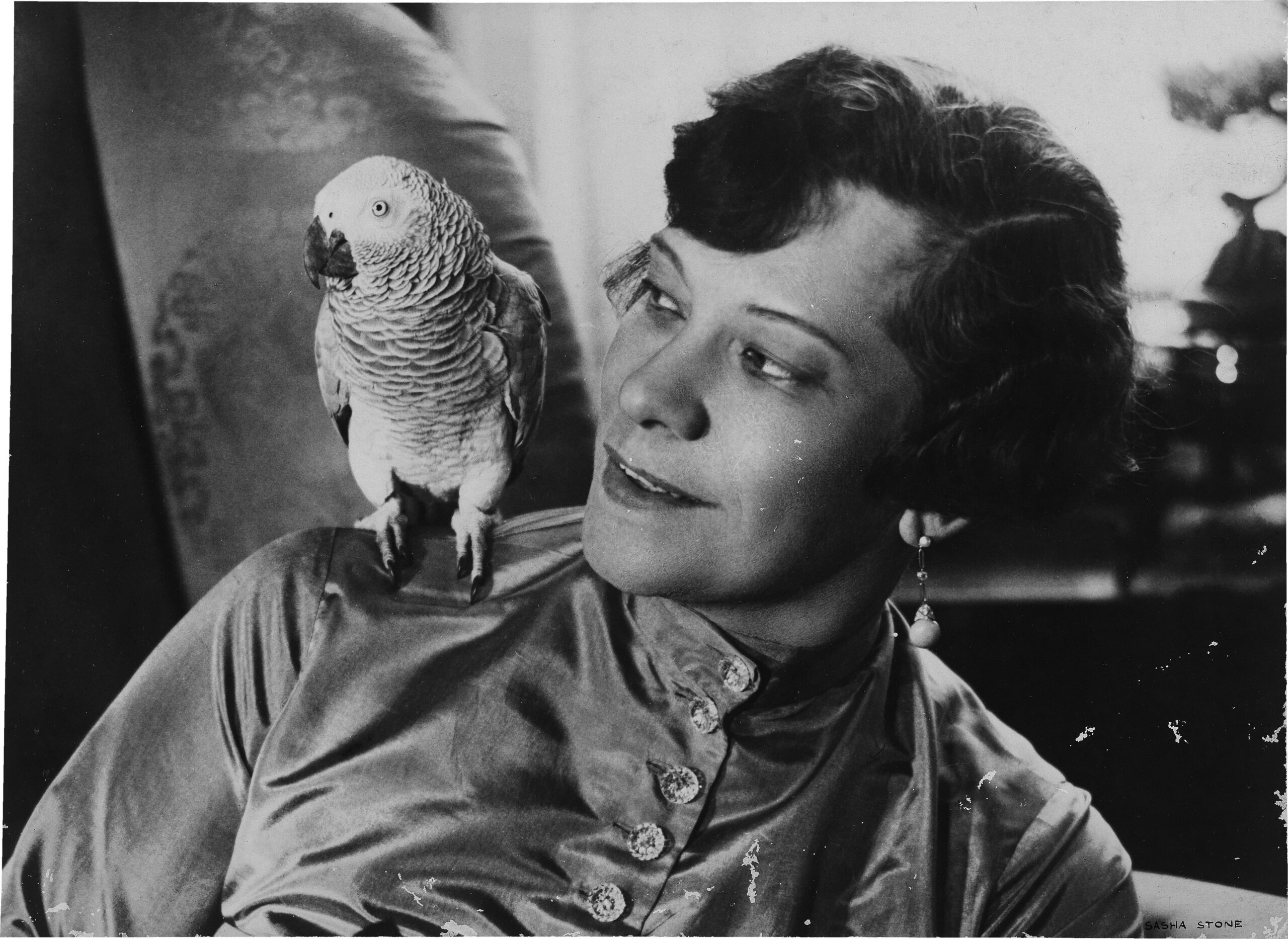
Picture: Actress Tilla Durieux in the 1920s. By Sasha Stone, via Wikimedia Commons.
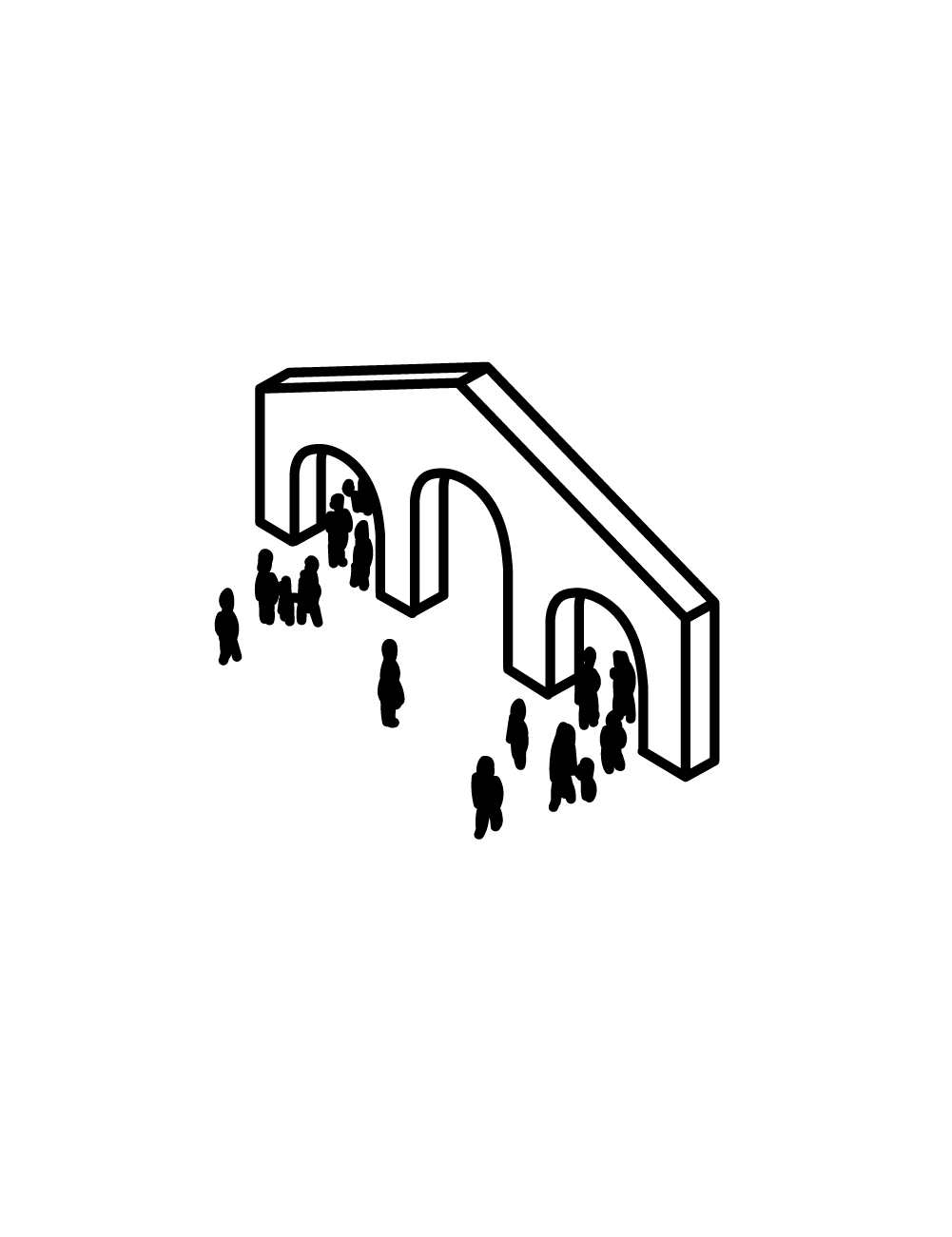
Late on the evening of 31 March 1933, the crowds in Berlin’s Anhalter Bahnhof pressed forward through three great arched entrances. Tilla Durieux, an actress who had performed under the theater director Max Reinhardt and been painted by Auguste Renoir, was somewhere in that crowd, carrying two suitcases and two hundred German marks. « A time of horror is coming, » she had written in her diary. Nine weeks into Hitler’s new government, the sorting of Germans into Jew and non-Jew had begun, well ahead of any law that defined these terms. The next morning, the regime would stage its first nationwide boycott of Jewish shops. Durieux was now heading south. The train would take her to Prague and eventually to Switzerland, where she and her third husband Ludwig Katzenellenbogen would briefly settle. In 1933 the western routes to France, the Netherlands and Belgium were still open; over the next six years, one by one, they would tighten. As residence permits expired, Switzerland would not hold either. One way out for the couple ran to the southeast of Europe, away from what the continent had always considered its centers, toward what it called its periphery.
The geography of safety is never natural, and the Munich historian Marie-Janine Calic has captured one such geography forming and collapsing before and during World War II. Her Balkan-Odyssee, published in Germany in October 2025 and awarded the Leipzig Book Fair Prize for non-fiction the following spring, reconstructs this little-known route through a sequence of individual lives, starting with Durieux on the Berlin platform. Each chapter is built around one person or one family. The method is the argument: Calic works with many personal accounts, and the book moves the way flight moved, by improvisation, from one contingency to the next. Calic shows that European refuge from Nazism was assembled decision by decision as southeastern Europe remained, improbably, open to refugees. But refuge only functioned on borrowed time, parceled out according to who started where, who knew whom, and who reached the border when.
This article is behind the paywall. Want to keep reading this article?
Subscribe to the European Review of Books, from as low as €5,00 per month.
Already a subscriber? Sign in