

Memoir
-
All is not vanity
published in
Lose, delete, restore. What to remember when everything is always, forever, in a digital now?
-
The prodigal half-rooster
published in
Maggie Nelson’s On Freedom and Lea Ypi’s Free spoke past one another from half a world away. But both ask whether freedoms mean anything if they are not practiced in public, and if they are not passed on — and whether the word « freedom » means anything at all.
-

The void that fills the void
published in
Relics, and the places devoted to their worship, dotted the map of Europe and the Middle East. Saints, like today’s celebrities, were both omnipresent and faraway, once-vulnerable people who became something more than human.
-
On learning to write again
published in
Ramallah, downtown, fifth floor. The phone rings and the caller’s number appears on the screen. It’s an unknown number. And yet a call that comes at this hour must be answered.
-
Woman is space
published in
« Space », or prostranstvo, is a key word for understanding the literary and philosophical history of Russia. Oksana Vasyakina’s Rana (Wound), a Siberian road novel, remakes the Russian landscape and the Russian novel for women’s worlds. It renders prostranstvo unruly, polysemous, queer.
-

A rather disproportionate intervention
published in
An excerpt from Ijoma Mangold’s memoir, Das Deutsche Krokodil (The German Crocodile), available in English translation from the DAS Editions imprint of Digitalback Books
-
Stupid illnesses called « childhood »
published in
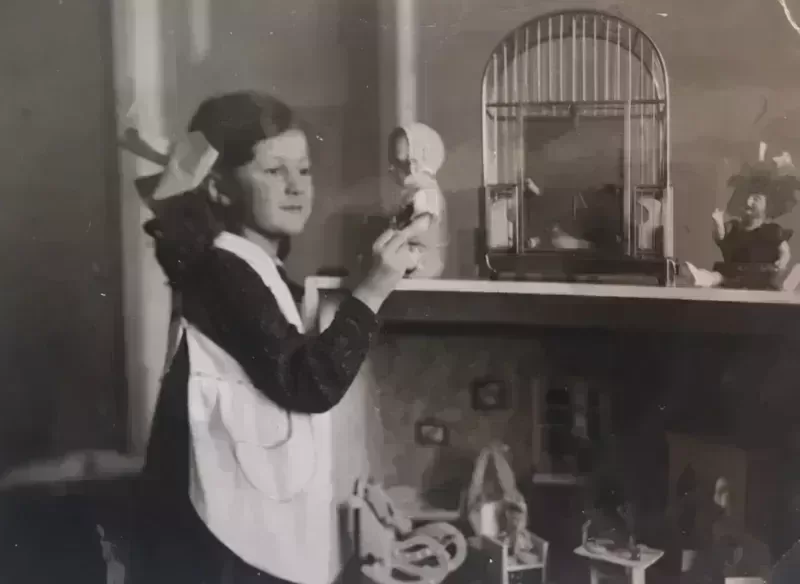
An excerpt from I padri lontani / Distant Fathers (1987), the rediscovered memoir of Marina Jarre, available in English translation from New Vessel Press.