 Skip to content

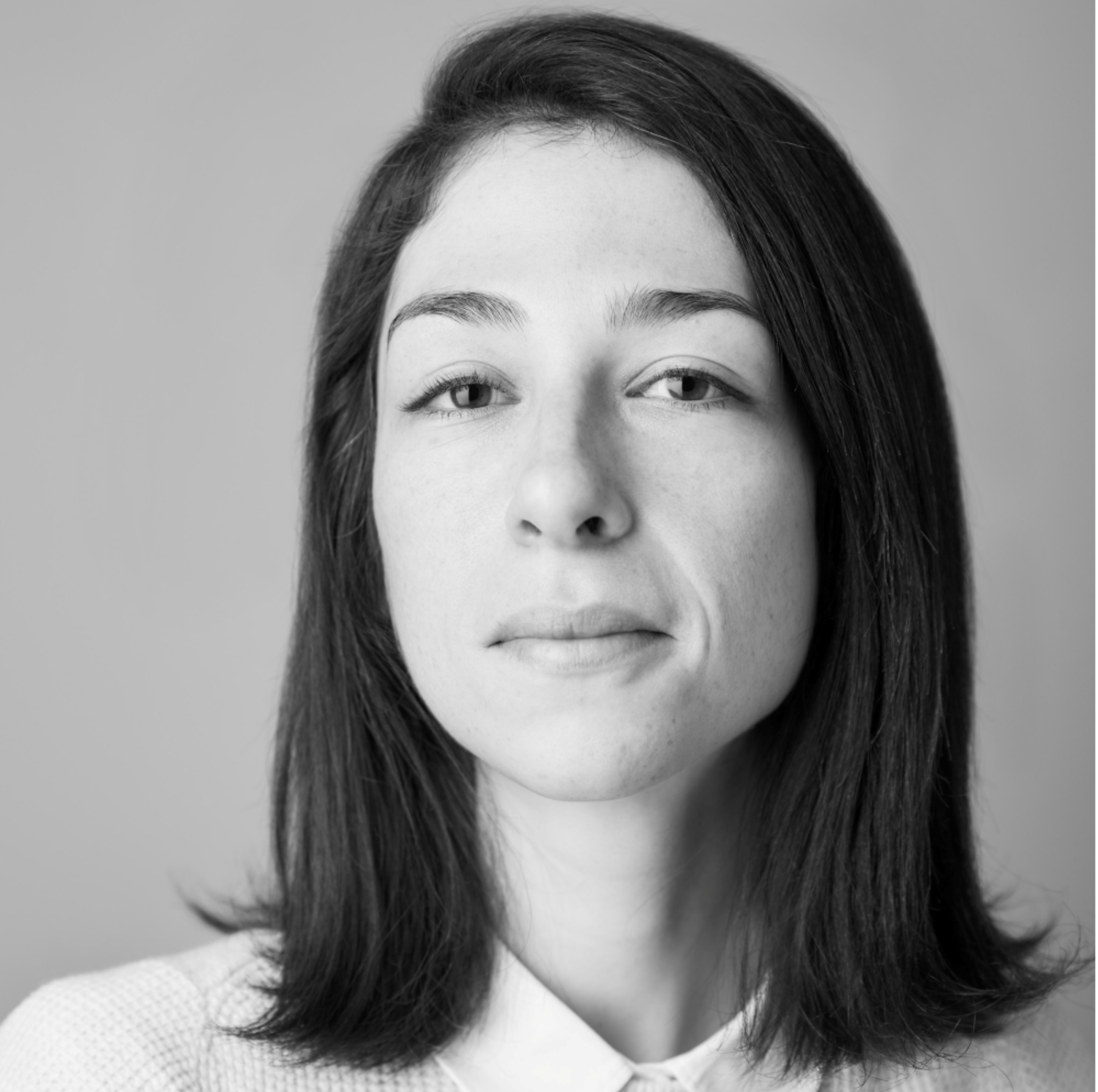
SARAJEVO — Inda Omerovic Swanke is a television journalist living in Bosnia and Herzegovina.
What’s it like moving back to Sarajevo, after thirty years away?
It’s inspiring, it’s intense, it’s heartbreaking, it’s claustrophobic at times. You know, Sarajevo’s a very social city. People will drop by because something’s happened, or they’re in the neighborhood, or they just want to see how you’re doing.
How’s the cultural scene?
Specific about Sarajevo is the accessibility of art. It goes back to the Yugoslav-era focus on creating well-rounded human beings through education. Even when the capitalist approach is taking a grip, culture is still central to people’s lives, it’s a communal thing: if the National Theater has a night for young musicians, we all show up as excited as if we were going to La Scala. Theater is very inclusive in the themes that are explored. I’ve seen plays here about and acted by children with disabilities. In many ways, theater is like group therapy for the entire city to process the war, thirty years later, to create a space for conversation and reconciliation. The Yugoslav cultural space is still alive and well, the market is small, so there’s a lot of collaboration in theater festivals between Belgrade, Zagreb, Sarajevo, Novi Sad, Ljubljana.
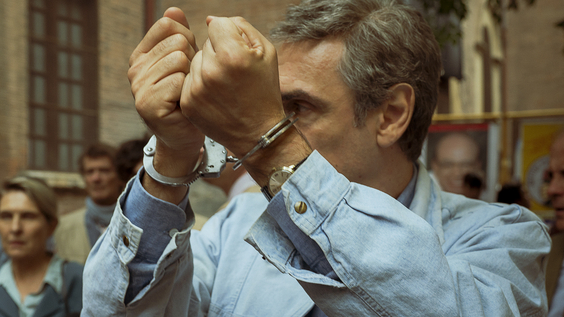
One of the most moving plays I’ve ever seen in my life was They Are All Gone [written by Doruntina Basha] at the Sarajevo War Theatre — shoe-string budget but massive impact. It’s a retelling of the Srebrenica massacres. A woman is getting ready to receive her family for a meal, but in reality, they’re all dead, there is no family and no meal.
Two actors from Sarajevo, and the phenomenal Mirjana Karanović from Belgrade. She carried that story on her shoulders with the grace of a little deer and the strength of an army general. You come in and everyone’s wearing headphones, and my first impulse was, Oh dear, do we have to bring technology into everything? Well, I was horribly wrong. You think you’re just listening to the actors, but actually you’re also intermittently listening to the other spectators, and you’re sharing this deep emotional reaction.

MESS (October): annual Sarajevo festival of small and experimental theater, which continued throughout the Siege of Sarajevo, attracting international directors like Susan Sontag.