 Skip to content

Author: Fernanda Eberstadt
-
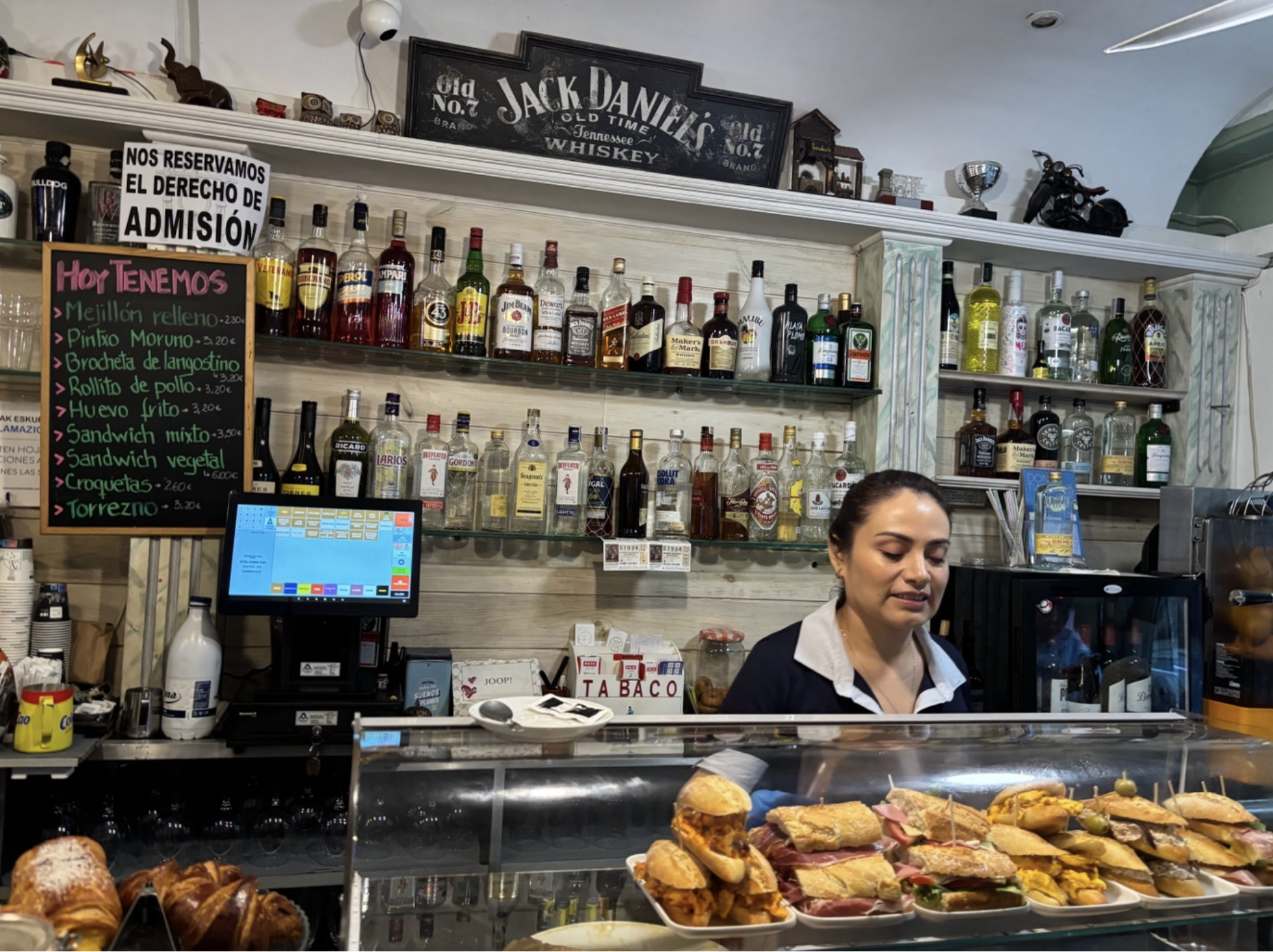
The bar across the street
| Published in
Last week, I went every morning for breakfast to the perfect bar. You stood at the counter for your shot of coffee; the other customers all greeted the owner by…
-
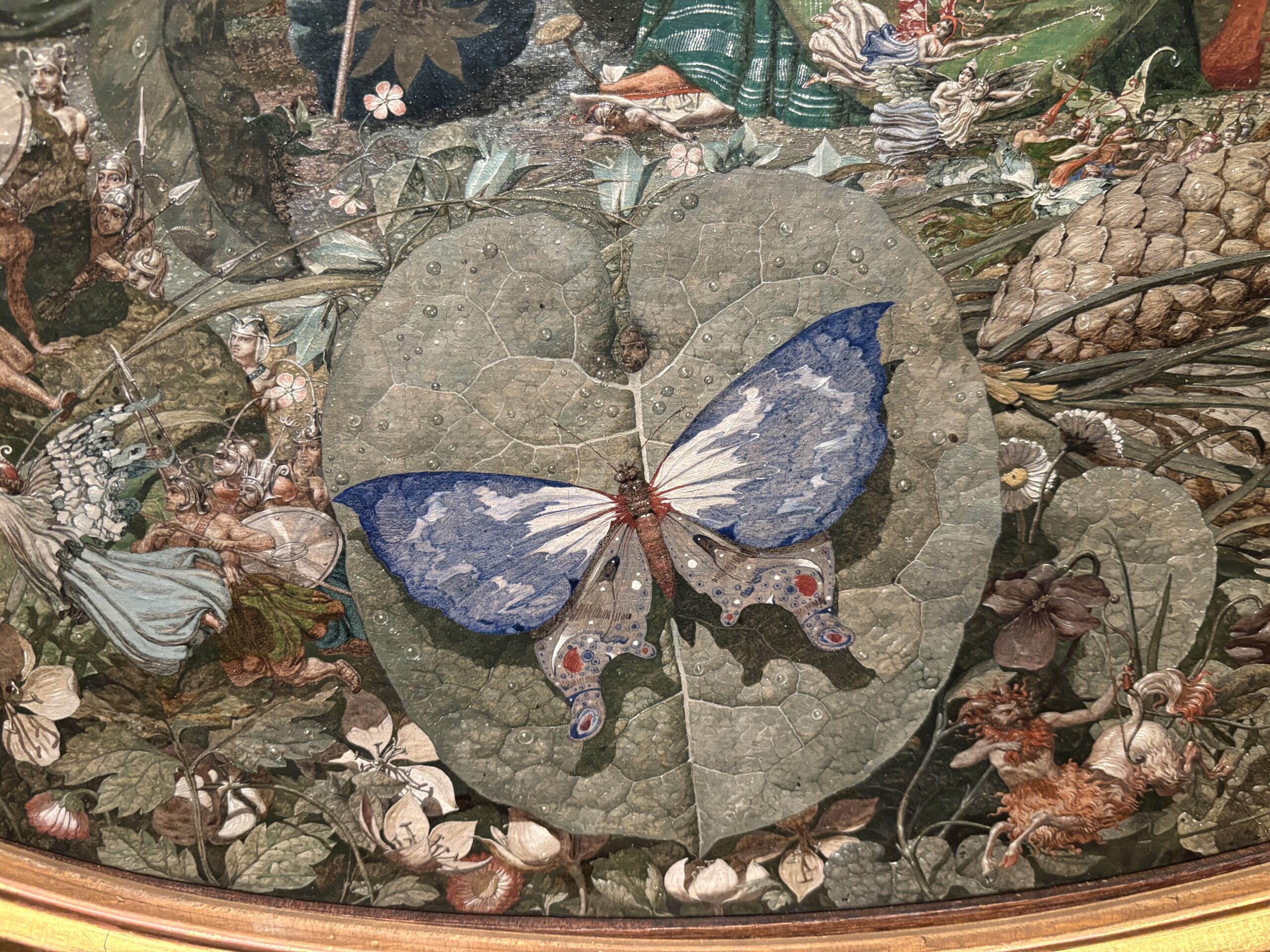
Beyond Bedlam
| Published in
In August 1843, the English painter Richard Dadd stabbed his father to death. The Egyptian sun god Osirus told him to. Dadd, an ambitious and accomplished young artist, had returned…
-
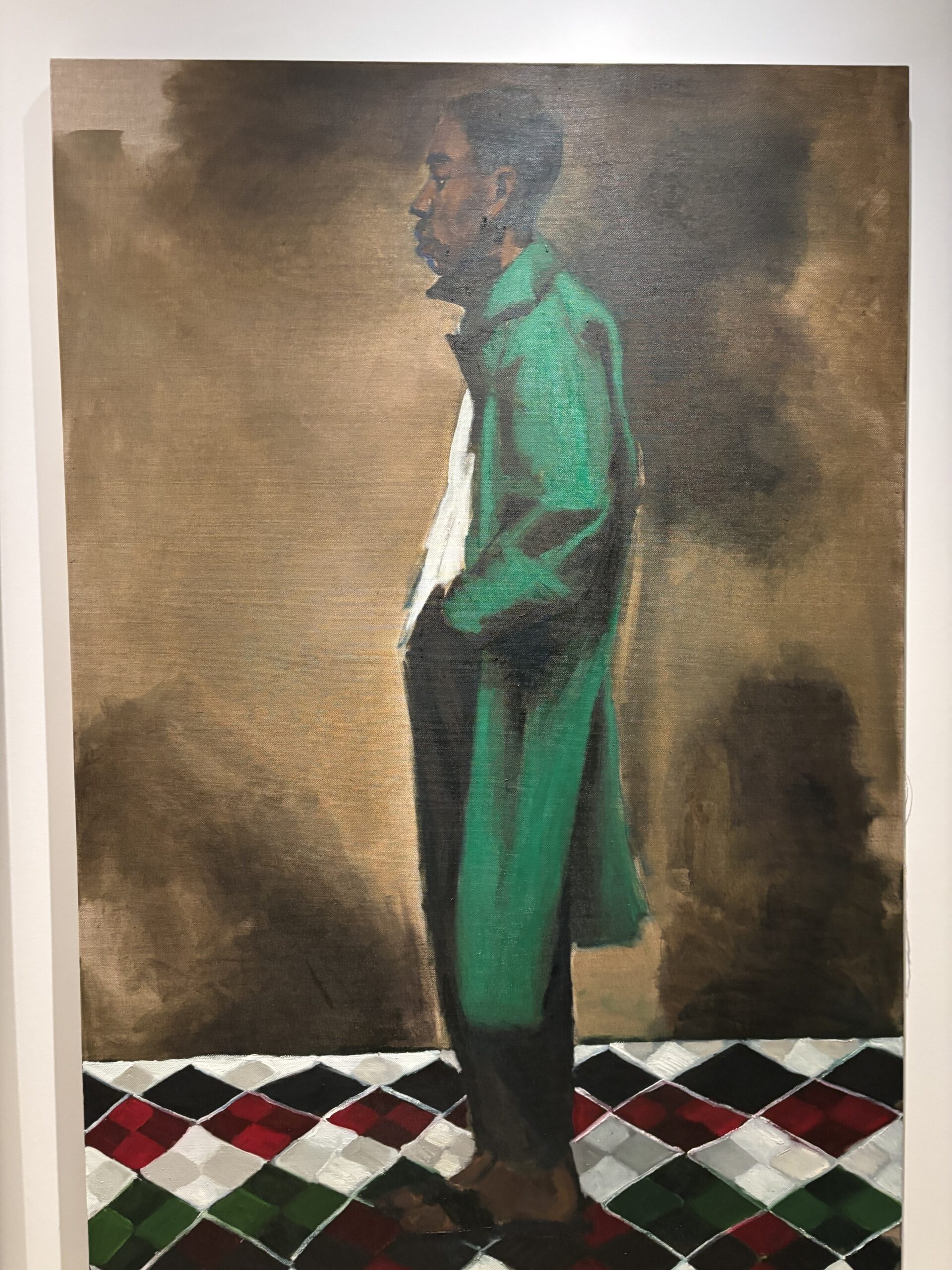
Project a black planet: the art and culture of pan-Africa
| Published in
Lynette Yiadom-Boakye, born in London in 1977, is one of the best British artists alive today. Enigmatic, mischievous, troubling, her work comprises rich, densely scrabbled Old Master-like oil portraits of…
-
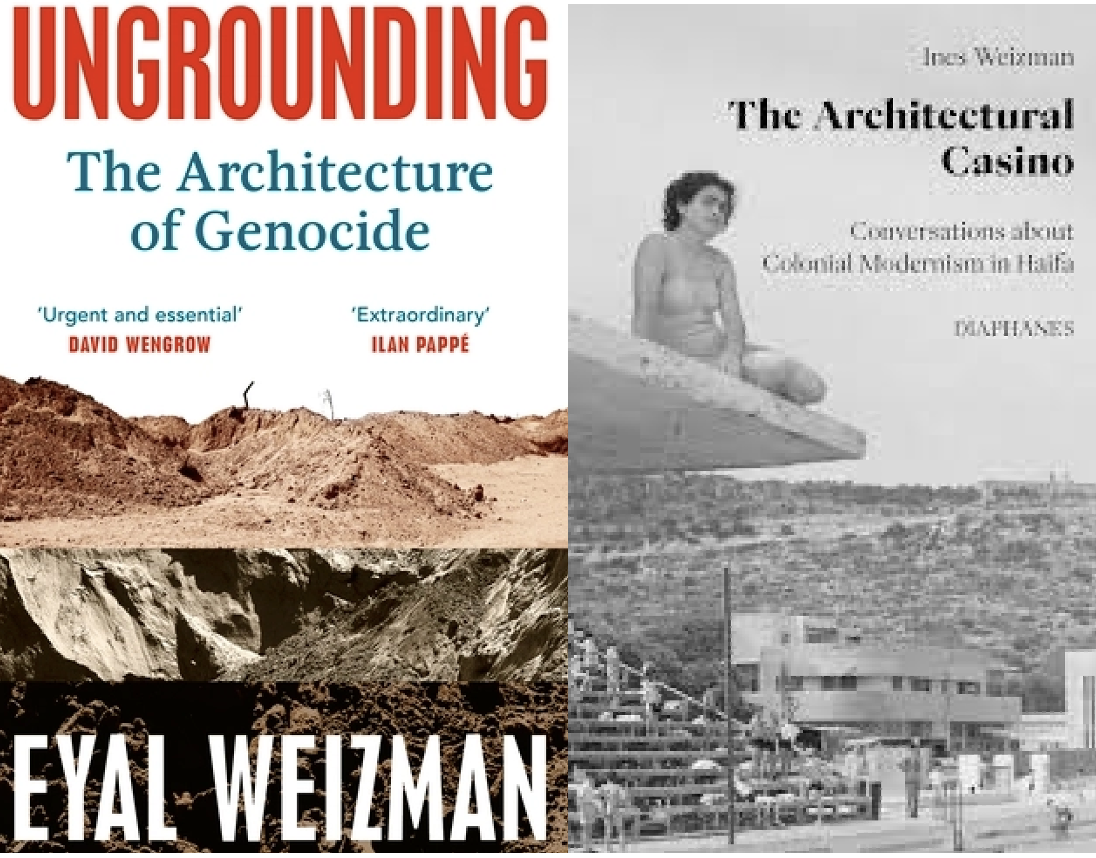
Books | The built and unbuilt worldThis article is available for Members only. Check out our subscription plans to become a member.
| Published in
Ines Weizman and Eyal Weizman are a couple. Each has just published a book that uses architecture to explore history, geopolitics, war.
-
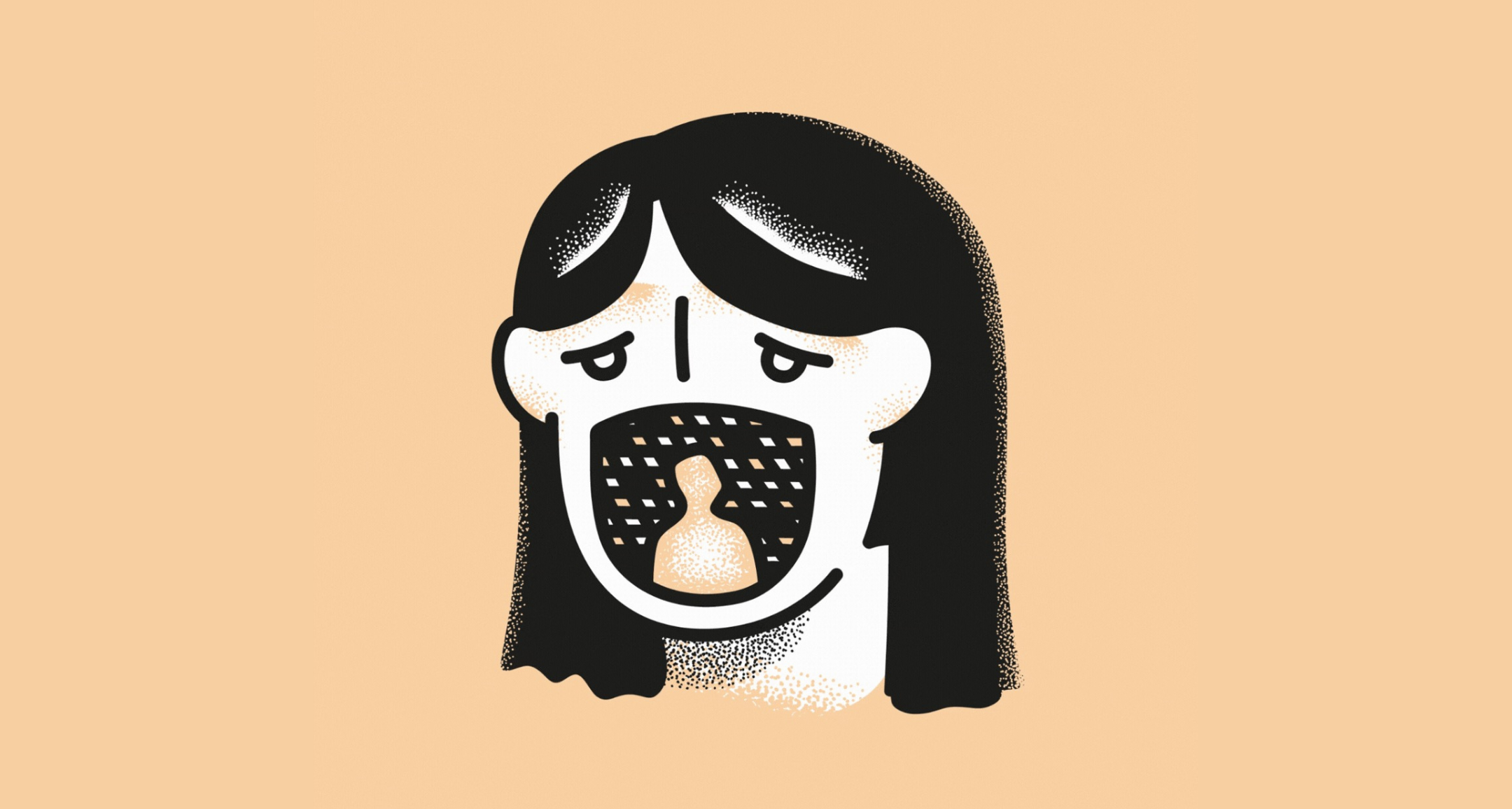
Festival | MessThis article is available for Members only. Check out our subscription plans to become a member.
| Published in
SARAJEVO — Inda Omerovic Swanke is a television journalist living in Bosnia and Herzegovina. What’s it like moving back to Sarajevo, after thirty years away? It’s inspiring, it’s intense, it’s…
-
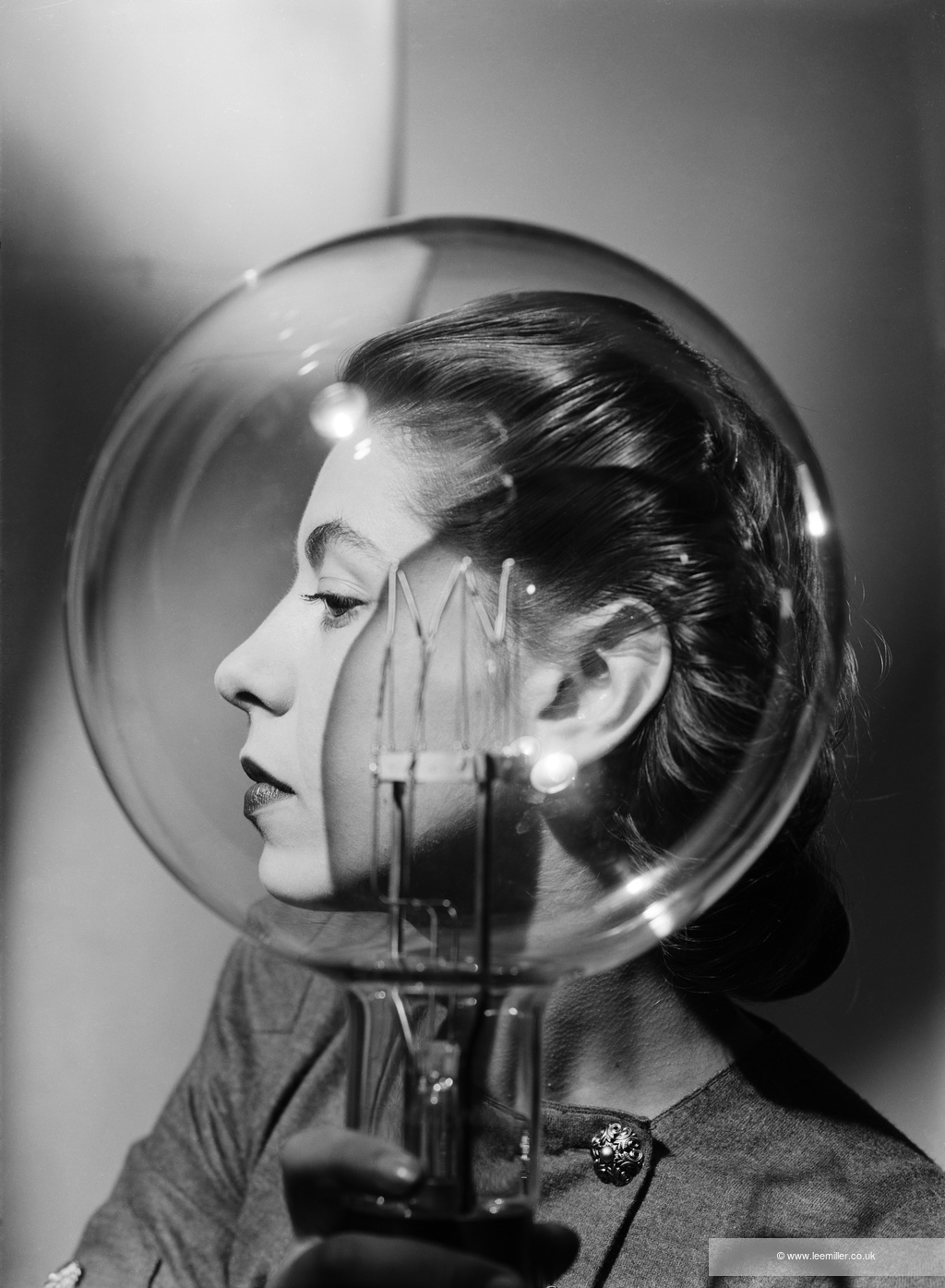
BELIEVE IT!This article is available for Members only. Check out our subscription plans to become a member.
| Published in
Lee Miller brought surrealism to her war photography. She was humorous, generous and great fun. But « the stench of Dachau » never left her.
-
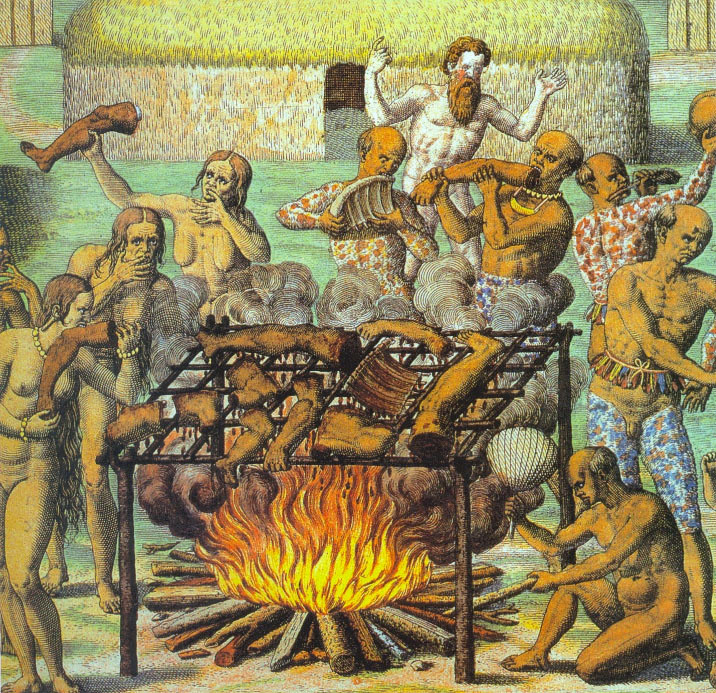
Would you rather eat your friend or your enemy?
| Published in
This summer, when it’s been too hot to contemplate cooking any kind of meat, let alone human, Le Monde has been publishing a wonderful seven-part series on cannibalism by the science journalist…
-
When the beans won’t cook
| Published in
I’m futzing around the kitchen, heat-wave grumpy. I’m cooking white beans with tomatoes for dinner; I soaked the dried beans overnight, but they are a little too old, too long…
-

Mothers who don’t feel so motherly
| Published in
Last week, I wrote about Nebraska, a novel in which a mother pushes her handicapped child in front of a train. This week I’m reviewing an only slightly less murderous non-fiction book…
-

Mrs. Chatterjee’s children
| Published in
The novel’s grisly premise hits you on the opening pages: Anna Chatterjee’s husband and two surviving children are journeying to the upstate New York prison where Anna is scheduled for…
-
Carlo Ginzburg: They are the Dogs of God
| Published in
I needed to know more about werewolves. Carlo Ginzburg, I realized, was my man. Ginzburg is an Italian historian who practises what’s described as « microhistory » — in his case,…
-
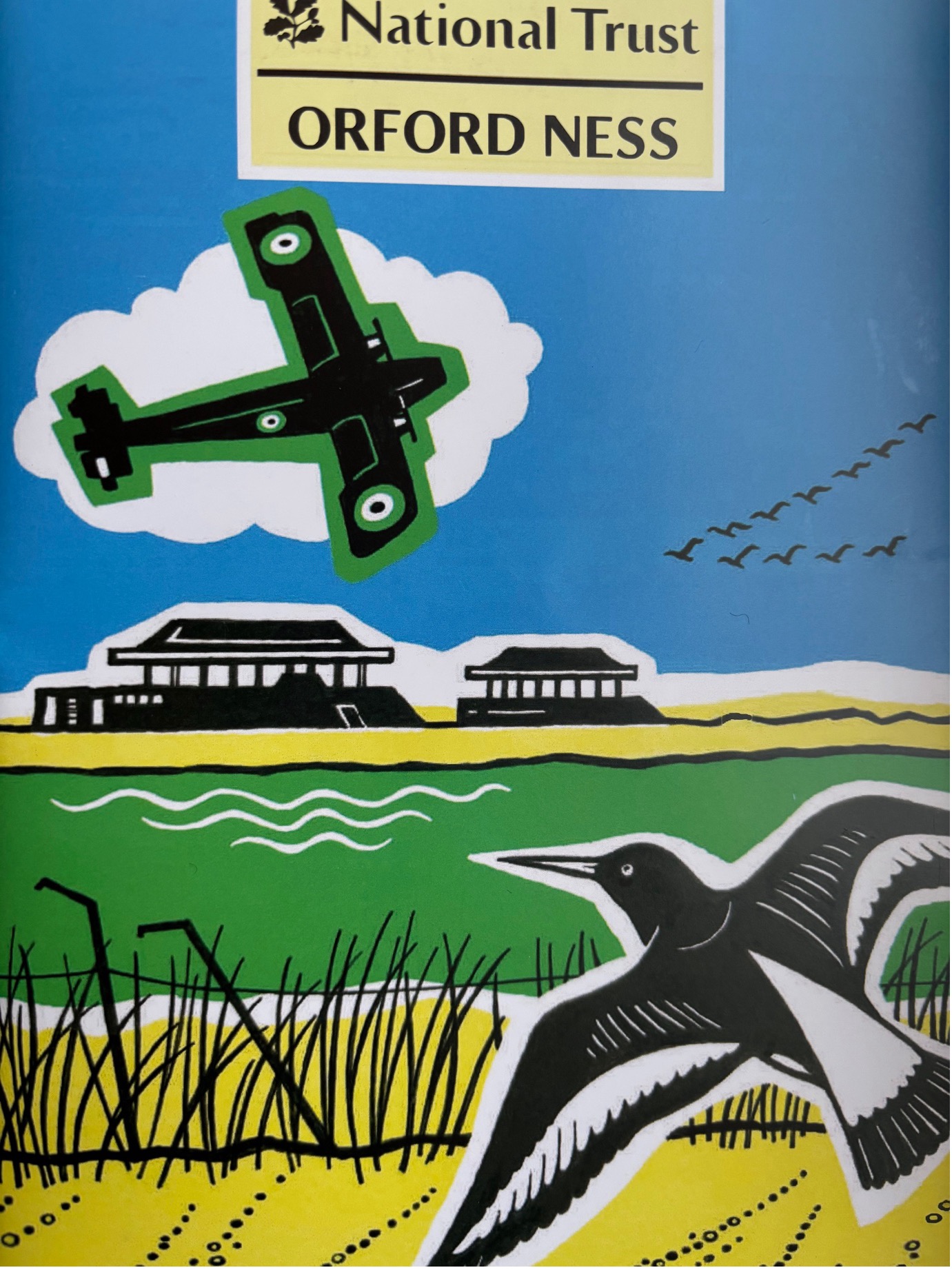
Orford Ness
| Published in
We stepped off the ferry — an open motorboat, with room for twelve passengers — onto the dock. We’d come for a day’s outing to Orford Ness on the Suffolk…