

Reviews
-
Of Anders & KreuzwendedichThis article is available for Members only. Check out our subscription plans to become a member.
On two tales of racial metamorphosis, salted or sugared, one hundred years apart.
-
Into the muckThis article is available for Members only. Check out our subscription plans to become a member.
Time? For? Socialism? What happened when Thomas Piketty descended from the elegant mathematical Olympus of economic theory into the muck of political and economic crises, public debates, social confrontations, and competing visions of progress?
-

To see a cityThis article is available for Members only. Check out our subscription plans to become a member.
« What if all fictional characters from novels continue to dwell somewhere, just like the dead? » Sewn together, the fragmented narratives of Daniela Hodrová’s City of Torment (Trýznivé město) make something deeply European.
-
The prodigal half-roosterThis article is available for Members only. Check out our subscription plans to become a member.
Maggie Nelson’s On Freedom and Lea Ypi’s Free spoke past one another from half a world away. But both ask whether freedoms mean anything if they are not practiced in public, and if they are not passed on — and whether the word « freedom » means anything at all.
-
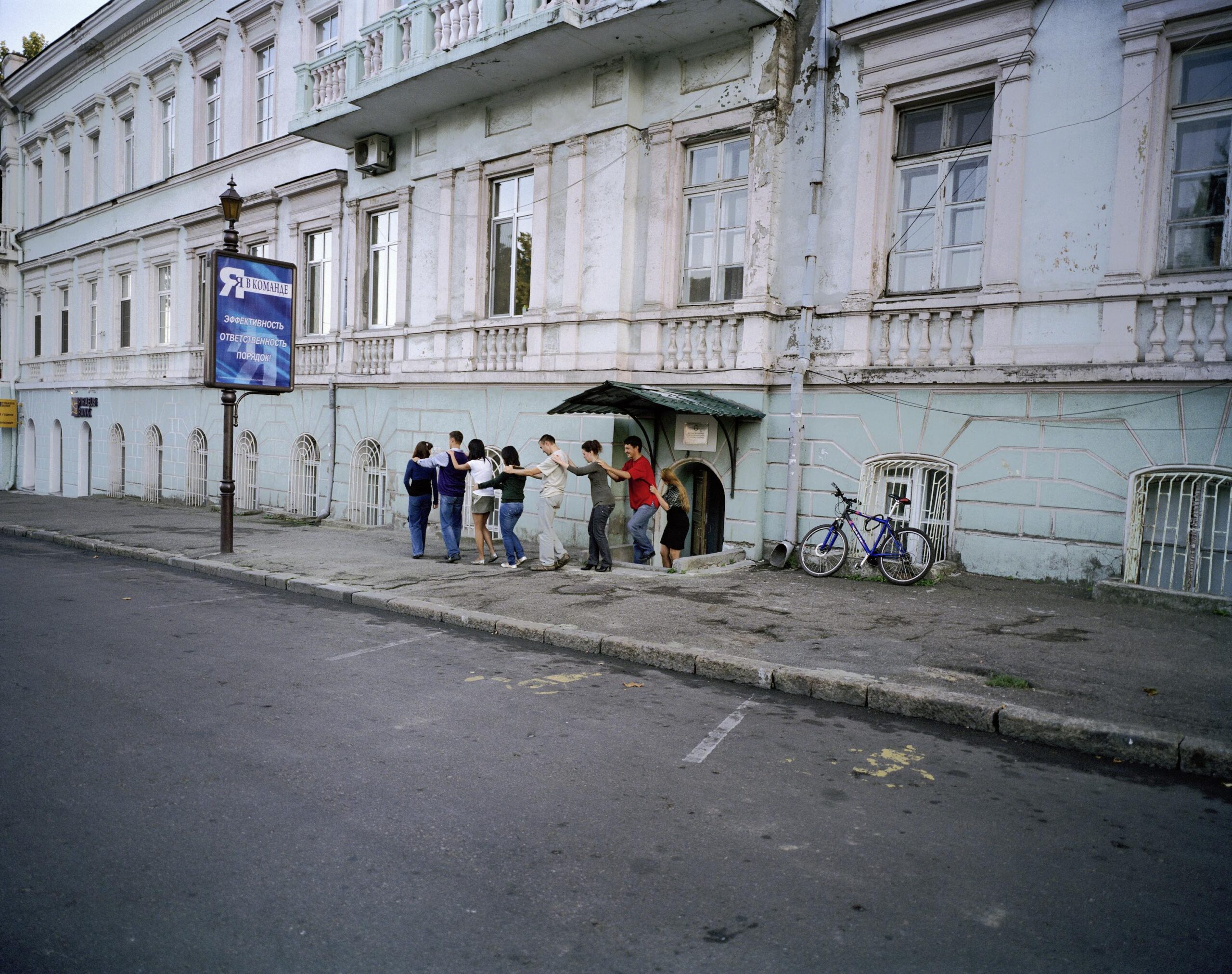
Ukraine yesterday & tomorrow
Ukraine didn’t become an epicenter of world history all of a sudden; it became an epicenter again.
-
Woman is spaceThis article is available for Members only. Check out our subscription plans to become a member.
« Space », or prostranstvo, is a key word for understanding the literary and philosophical history of Russia. Oksana Vasyakina’s Rana (Wound), a Siberian road novel, remakes the Russian landscape and the Russian novel for women’s worlds. It renders prostranstvo unruly, polysemous, queer.
-
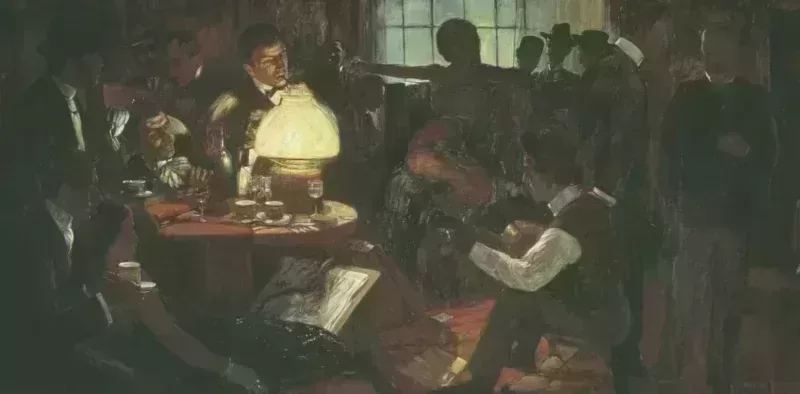
The myth of 1922
What does modern mean? In Brazil, it often meant an embrace of newness as the possibility of reinvention. In Modernity in Black and White: Art and Image, Race and Identity in Brazil, 1890-1945, Rafael Cardoso unravels the myth of 1922.