 Skip to content


Monsieur and Madame Louis Cahen d’Anvers never liked Renoir’s portrait of their eight-year-old daughter; it was Madame Cahen d’Anvers’s lover who chose Renoir over a more fashionable society portraitist; they stuck the picture upstairs in a maid’s room. Later, during the Nazi occupation, it was carted off by Göring. Many years on, when Irène was one of the few members of her French Jewish family to survive the war, she managed to reclaim her portrait — and swiftly sold it back to the German arms manufacturer who’d acquired it from the Nazis!
Natalie David-Weill (full disclosure: she’s an old friend, but that’s not the only reason why I loved her book) has just published a work of imaginative history that tells us much about 19th- and 20th-century France, the history of the French Jewish aristocracy, and the dreamy but stubborn-looking little red-head painted by Renoir.
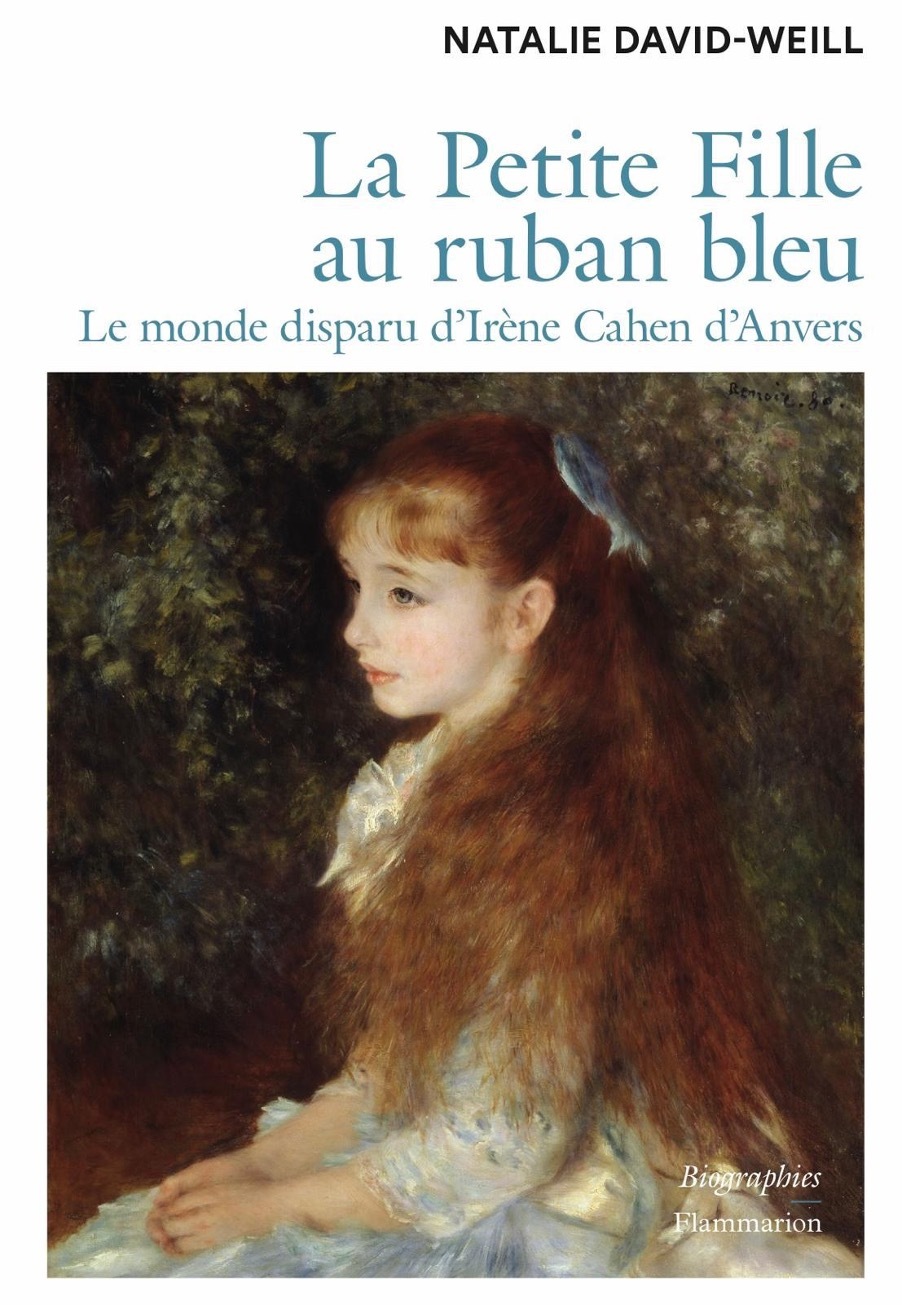
La Petite Fille au ruban bleu
Natalie David-Weill
(2026)
Till now, little has been written about Irène Cahen d’Anvers, and none of it favorable. Married young to the great collector Moïse de Camondo (their Paris hôtel particulier, with its collection of 18th-century art and furniture, is now a museum), she left her husband and two children to run off with her riding instructor, a dashing Italian count who in turn left her. The subsequent destiny of this sporty, pleasure-loving society woman, as revealed by David-Weill, is the stuff of Greek myth: first, her beloved only son, Nissim, a much-decorated WWI fighter pilot, was shot down aged 25 — her ex-husband barred her from their son’s funeral. Then, under the German occupation, her daughter, her grandchildren, her sister, and her in-laws were all rounded up and died either in transport or at Auschwitz. Only Irène, who had converted to Catholicism to marry the Italian riding master, survived, along with her new family, and lived to be 91. David-Weill manages to make her heroine just sympathetic enough, without overdoing it.
La petite fille is a riveting and finally unbearably sad portrait of a « vanished world ». Some members of this French Jewish elite were mathematicians, classicists, composers; others preferred the racetrack or the tennis court, but all of them were deeply patriotic and philanthropic, and many, despite the mounting persecution of Jews, refused to escape abroad because they couldn’t believe that the country to which they’d given so much could ever turn against them.
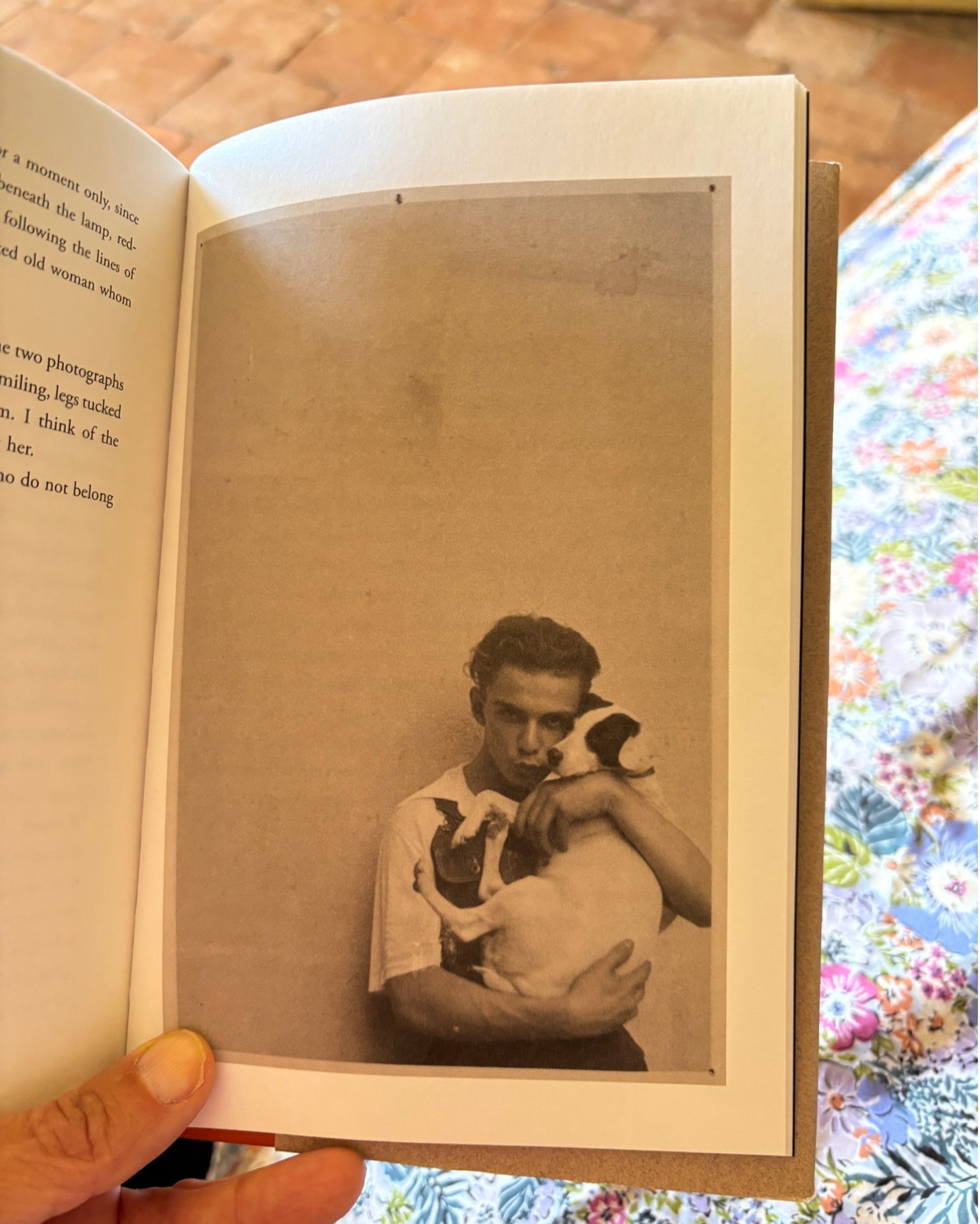
Here’s a photo of Irène’s grandson Bertrand Reinach, a boy who hated school and must have shocked his family and their friends by finding his vocation as a carpenter. (In this photo, note the overalls and the strong workmen’s arms that cuddle his terrier.) Bertrand died in Auschwitz, aged 20, along with his parents and sister.