 Skip to content

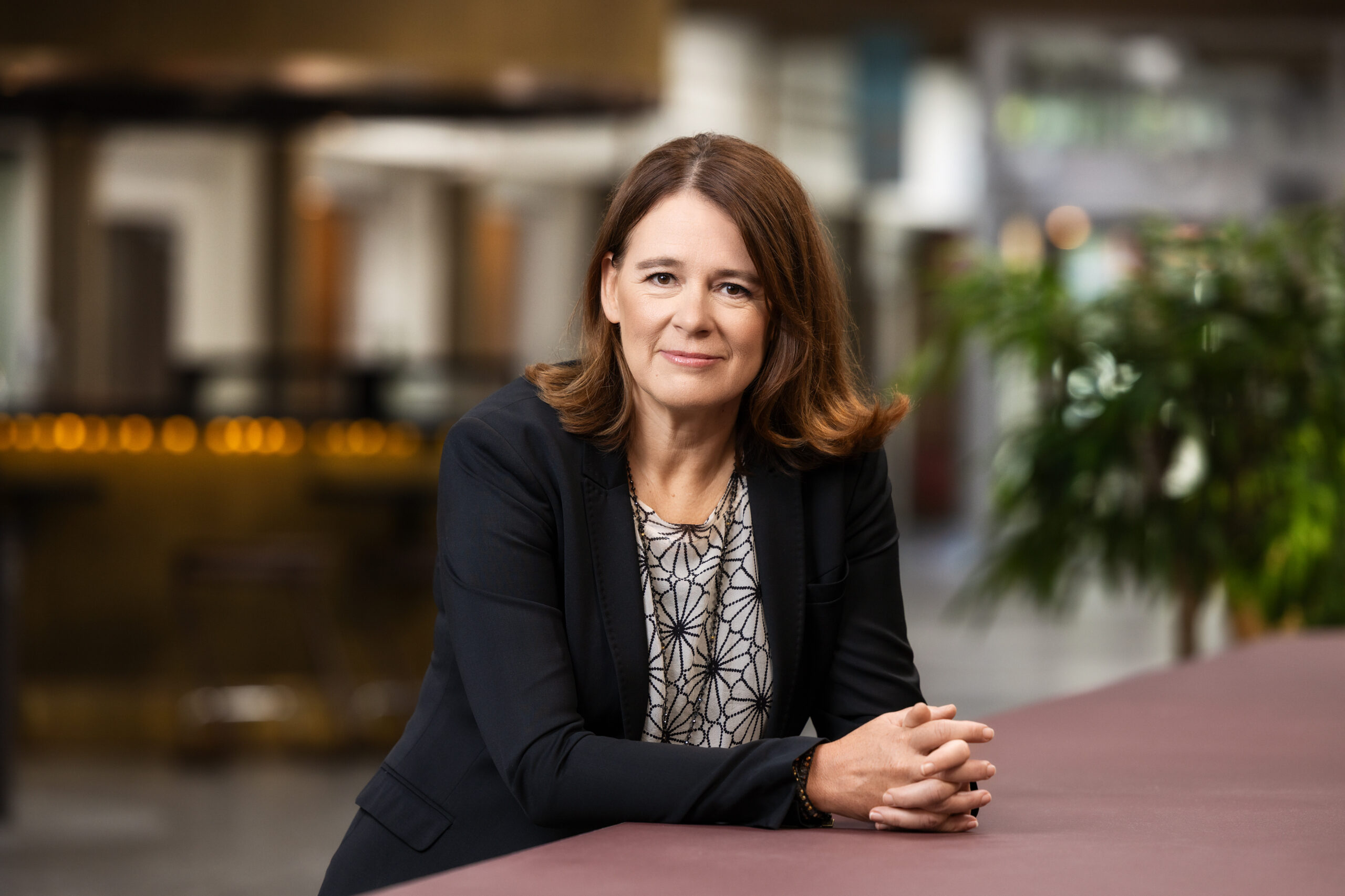
Across Europe radical voices are growing and cultivated in bubbles. Left, right, surprising new populist combinations: public broadcasters try to guard neutrality amidst this playfield. In Sweden, no less exposed to the fragmentation of society, elections just took place. We asked the Program Director of Swedish national radio how she covered elections in this climate. She came with three successful examples.
Sofia Wadensjö Karén
It is a rather bleak picture you paint. In Sweden, however, the public’s trust in the media is exceptionally high by international standards, and trust in public service is particularly strong. It’s both high and stable. For decades, around 70 percent of the population have expressed high or very high confidence in Sveriges Radio. This holds true across almost all voter groups. The one notable exception is supporters of the right-wing conservative party, the Sweden Democrats, where trust levels are lower. (But not that low.) This may sound like I am simply reciting corporate figures or patting ourselves on the back. But it matters. The narrative of democratic backsliding often includes the claim that trust in the media is collapsing. Therefore we have a responsibility to stick to the facts.
ERB
How did you get to work for the elections?
Sofia Wadensjö Karén
I introduced an editorial manifesto titled: « Less bickering, better conversations. Listening for real. » Avoiding bickering in political coverage does not mean doing soft journalism that lets people off the hook. Quite the opposite. Let me give you three concrete examples:
1) Often, it is difficult to truly listen to someone with whom you fundamentally disagree. That is true for audiences, but also for the people taking part in a debate. We therefore developed a format in which two people with opposing views travel together in a car with the host. During the journey, they discuss a specific issue. The setting– sitting close together, not staring directly at one another, while a curious and engaged host asks questions – created something quite unique. Suddenly, both the audience and the people in the car realized that they were genuinely listening to each other. Not in order to change their minds, but to understand how and why they arrived at such different conclusions.
2) The party leader interviews we conducted on P1 (our radio channel most orientated towards current affairs). Guided by the manifesto, the hosts prepared interviews that were « sharp, but friendly. » The interviews were conducted with authority, but without seeking conflict for the sake of conflict. Curious, knowledgeable and exceptionally well-prepared interviewers led conversations that were constructive while at the same time rigorous and demanding. No important question was left unanswered. They were truly sharp, yet friendly. Instead of political squabbling, policy issues came clearly into focus. Inconsistencies in election promises were exposed without mercy, and the dividing lines in Swedish politics became strikingly clear.
3) A format we created for a broad audience together with Ola Rosling. Some of the issues voters ranked as most important ahead of the elections were: education, healthcare and law and order. But do people have the right facts when forming their opinions? More often than not, the answer turned out to be: no. If your understanding of reality is flawed, how can you know which political solutions are best? Together with the Gapminder Foundation, Ola Rosling investigated the most common misconceptions held by the Swedish public. Before each episode, we released a quiz so listeners could test their knowledge and challenge their assumptions. In the programme itself, people from all over the country shared their theories about how things really were. And then they got to hear what was actually true. The results were presented in an entertaining way. The format, “Moment of Truth,” helped an audience of more than one million people distinguish between opinions and facts, allowing them to feel a little better informed when they entered the voting booth.
The increasingly confrontational and polarized tone of public debate places greater demands on journalists. We must ask ourselves how we create formats and conditions in which ideological differences and political alternatives become clear, while also helping audiences understand the difference between opinions and facts? And in doing so also consider how we do this in a way that people actually have the energy and willingness to listen to.