


Literature
-
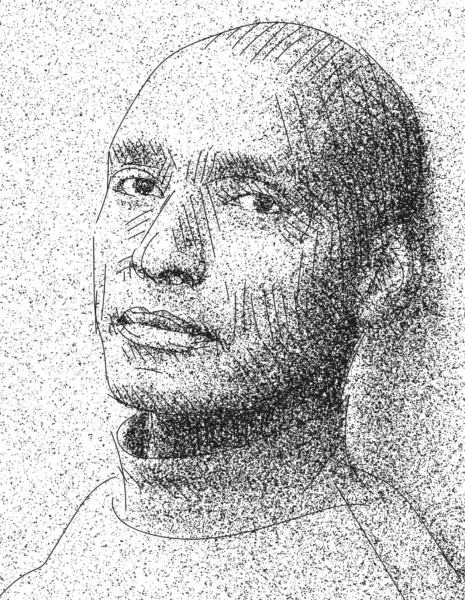
« When I was silent… » — Interview with Sulaiman AddoniaThis article is available for Members only. Check out our subscription plans to become a member.
published in
Stop! I am doing what they all do: presenting writer Sulaiman Addonia as one-who-has-suffered, because he grew up as a refugee. It is a problem of genre. Suffering has become an interviewer’s crutch.
-

Of human children & language children
published in
The first word I ever wrote was stsikukha: « pisser ». This is how my nanny Frosya called me to my face. On poetry and pathos in a bastard tongue.
-
Skinned aliveThis article is available for Members only. Check out our subscription plans to become a member.
published in
Imagine your therapist assigned you to write your autobiography, after which you decided you were cured, so your therapist published it as revenge. Zeno’s Conscience turns 99.
-

A sangre fríaThis article is available for Members only. Check out our subscription plans to become a member.
published in
Fernanda Melchor’s prose hits you square in the face, but its lyricism works differently in Spanish. On Veracruzano modernism, lyrical slang, and worlds so new that style falls apart.
-

A recipe for word vomitThis article is available for Members only. Check out our subscription plans to become a member.
published in
On pregnant silences, and how to abort them — via Jane Austen’s Lady Susan, Whit Stillman’s Love & Friendship and our own manners & morals.
-
Of Anders & KreuzwendedichThis article is available for Members only. Check out our subscription plans to become a member.
published in
On two tales of racial metamorphosis, salted or sugared, one hundred years apart.
-
On Kafkaesque pedagogyThis article is available for Members only. Check out our subscription plans to become a member.
published in
Not the nightmare one might instinctively expect. Franz Kafka and Stig Dagerman on parenthood vs. educatorhood: who can educate a child?
-
How Americans edit sex out of my writingThis article is available for Members only. Check out our subscription plans to become a member.
published in
What is editing? Two people who both lead a literary life — an augmented reality where the connections between existence and sentences are investigated daily — wage sensual war for the soul of the page.
-

To see a cityThis article is available for Members only. Check out our subscription plans to become a member.
published in
« What if all fictional characters from novels continue to dwell somewhere, just like the dead? » Sewn together, the fragmented narratives of Daniela Hodrová’s City of Torment (Trýznivé město) make something deeply European.
-

A breast is a breast is a breastThis article is available for Members only. Check out our subscription plans to become a member.
published in
To contemplate Pompeii is to contemplate archeology in its most extreme form, framed by the wish not only for discovery, but for resurrection.
-
Why we writeThis article is available for Members only. Check out our subscription plans to become a member.
published in
A letter to George Orwell. « All narrative is hypnotic. Some narratives are more hypnotic than others. Because of you, we can be conscious of the kinds and the workings of the narratives that set out to deaden us, lessen us, make us lie, make us part of the lie. »
-

Eat the dustThis article is available for Members only. Check out our subscription plans to become a member.
published in
Søren Kierkegaard compared reading reviews of his books to « the long martyrdom of being trampled to death by geese. » What martyrdoms does today’s bookishness portend?