 Skip to content

We are all explorers.
Last week was Easter weekend. I’m not much of a Christian, but where I’m from (Latviaaaa!) it means family gatherings, eggs dyed with the first spring plants from the garden, and the ritual of cracking them against each other — the strongest shell wins. Maybe some swinging on a swing as high as possible, so the mosquitoes won’t bite all summer. And this year, there was a high potential of an outdoors picnic: thunder had already rumbled last Monday, so now the ground is officially sit-able again, according to Latvian spring law. These are the ancient Latvian beliefs, the terms on which I grew up negotiating with nature.
But this Easter I was in Brussels, and I went underground.
Every now and then, the city opens up spaces you’re not supposed to inhabit, and everyone loses their mind over it. This was one of those moments. A collaboration between Listen Festival and Hangar turned the Cinquantenaire car tunnels into a daytime techno rave: The Tunnels.
Of course, it’s a paradox. An « underground rave » is meant to be secret, illegal, whispered about, the location texted to you last minute. Here, thousands queue up in broad daylight, and the forbiddenness is carefully staged. Still — forgive me, hardcore ravers — it works.
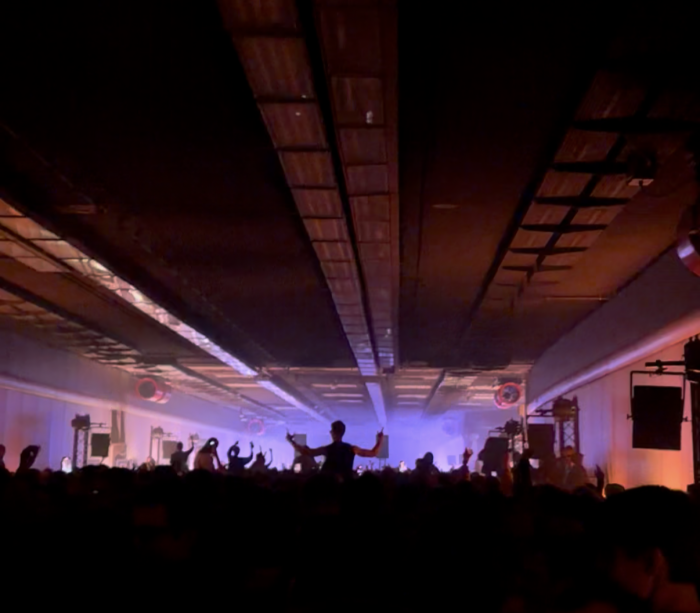
This event happened under the noses of the four horses of the Triumphal Arch. You arrive at Cinquantenaire park, right in the middle of the city, already hearing the bass rumble under your feet. The line is long, then suddenly you’re inside: a red-lit tunnel, packed, vibrating. At first, it feels a bit claustrophobic — bodies pressed together, sound bouncing off concrete. (Honest? I did a quick check of where the exits were.)
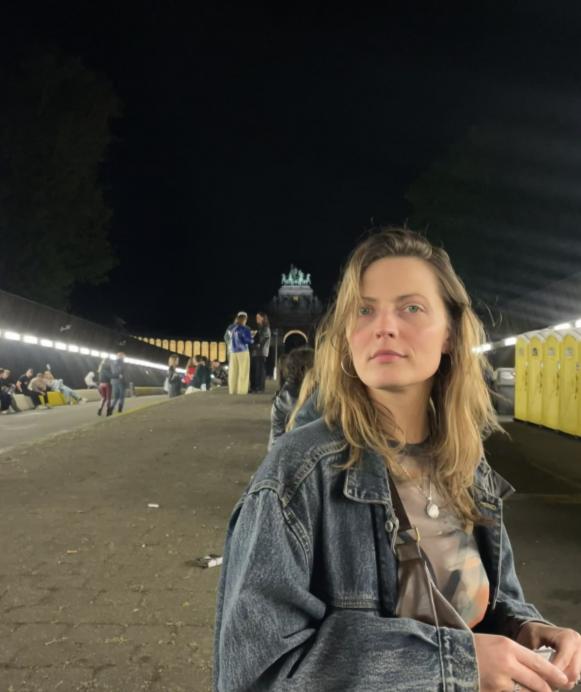
(Fine, the monument looks a bit far here, but behind this person is another tunnel-stage. This is in the middle section, and in this moment everyone else seems to be dancing at the stages, not meeting at the toilets.)
I see it as an exploration mission. Doors open at 3pm, close at 2am — in, dance, quick chats with strangers in the space between the two stages, dance some more, out. It’s like a temporary occupation of a space not meant for hanging around. That’s the thrill: not just the music, but access.
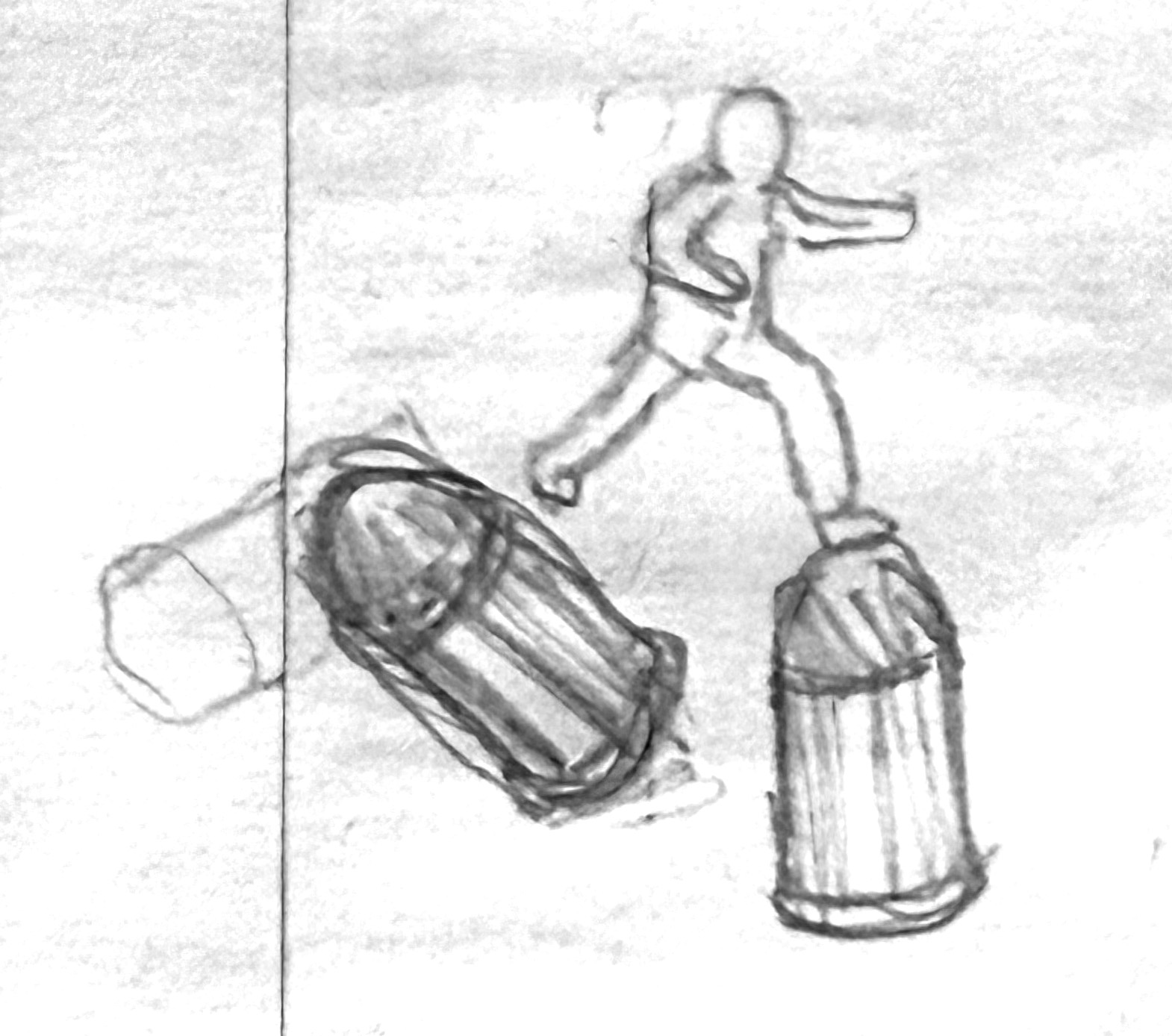
It makes me look forward to what’s next — like Horst Festival in May, set near a decommissioned power plant, two towers looming like something out of Chernobyl. This is what I love about this open-access rave culture: it lets us safely trespass. Otherwise — imagine actually running from the police through a car tunnel. That’s too 1990s for me; I was just a kid back then.