 Skip to content

Wednesday was a very ordinary day. I worked from home and went to a café at the end of the day. Only then did I notice the date. 11 November, Lāčplēsis Day – Bearslayer Day. Now bear with me, pun intended.
As I was waiting for my coffee, I spotted a friend reading a book of poetry. What am I supposed to do today? I asked him. I’m Latvian, I’m supposed to do something. I was half joking, half serious. I’d spent the last few Novembers away from Latvia. (That’s how little it takes to forget your patriotic roots!)
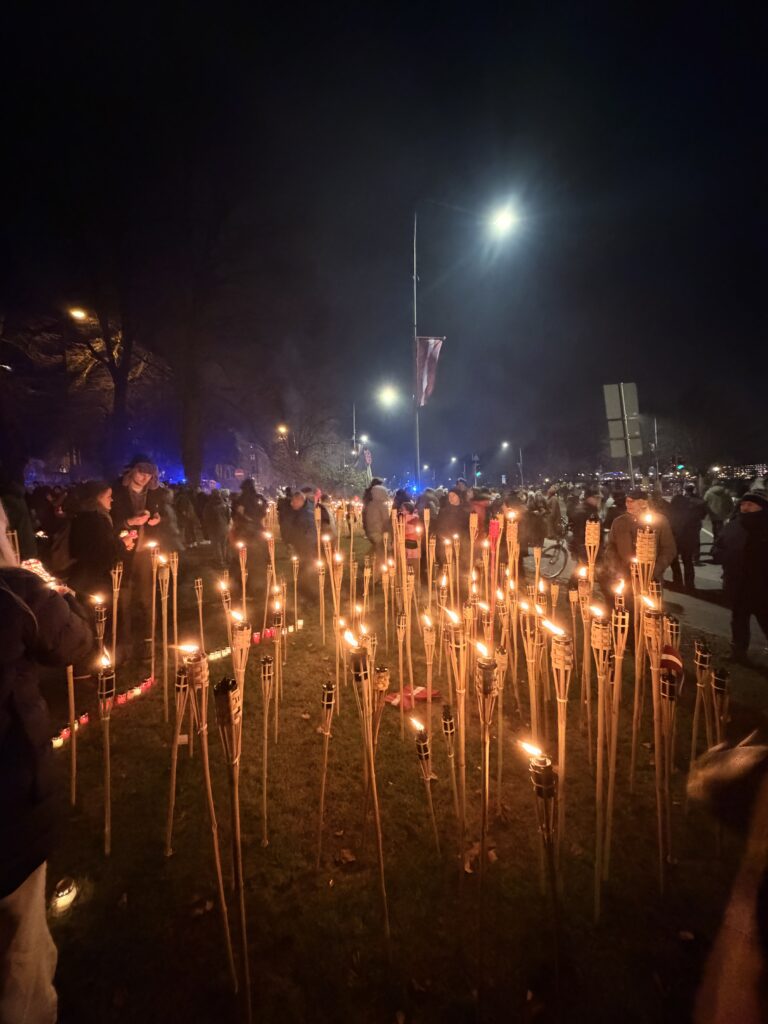
Well, he said, you could pick up a torch and join the procession, or light a candle at Rīga Castle. Just as he said it, a sea of people carrying torches passed the café window.
So why was he inside with his book? He said he’d grown wary of the politics around some of these events. Members of the right-wing National Alliance were in Wednesday’s procession, alongside schoolchildren, parents, youth guard cateds and firefighters. The party organizes its own torchlight march a week later, on 18 November, Latvia’s proclamation day. Yeah, so many flags and torches can indeed make one feel a bit uneasy, especially if you’re more on the left or looking in from outside the Baltics.
I grew up taking these yearly waves of patriotism for granted, that was just something we did: every November we celebrated Latvia as a free country. Towns across Latvia organize torch processions on Lāčplēša day, be it snowstorm or rain (more rain than snow in recent years). My friend said he will later light a candle at the castle.
For most western countries 11 November marks the armistice that stopped the fighting on the Western Front in 1918. It’s also well known as Saint Martin’s Day (or Martinmas). In Latvia, the date takes us to 1919. Our republic was barely a year old when its army drove a force of German troops and White Russians out of Rīga (Bermondt-Avalov forces), with some help from British and French warships. That’s the 11 November for us. And there’s a bit of David-vs-Goliath in it, too: a tiny country stood its ground.
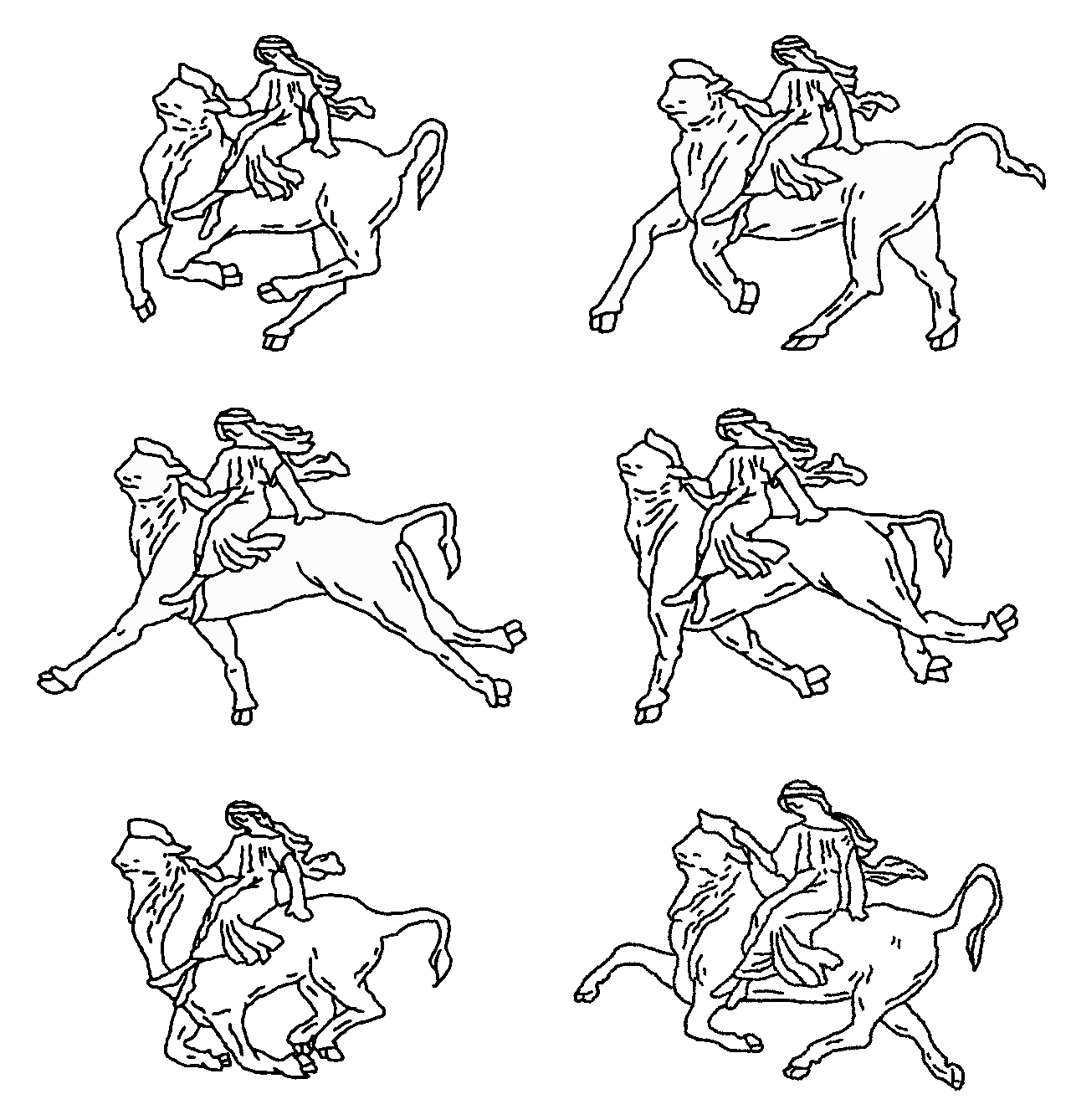
The day takes its name from Lāčplēsis, the Bearslayer, the hero of our national epic. He gets his strength from his bear ears (yep, ears). At the end of the poem he fights the Black Knight near Daugava, our river that is the artery of Latvianity, and they both fall into the river. Sometimes, at midnight, you can still see them fighting on the bank, just before they fall in all over again. One day, the epic predicts, the knight will fall alone. That’s when we’ll be free.
Latvia lost its independence in 1940, when the Soviets occupied the country. Nazi occupation followed, then Soviet occupation again – fifty years of occupation in all. The Soviet authorities banned public observances of Lāčplēsis Day, the sort of thing that could keep the idea of a free Latvia alive. People started lighting candles at the castle wall in 1988, while Latvia was still under Soviet rule but there were winds of change in the air. We regained full independence in 1991. Maybe that’s why freedom still feels like a fresh topic here and why, since Russia’s full-scale invasion, the Ukrainian flags around Rīga have needed no explanation.
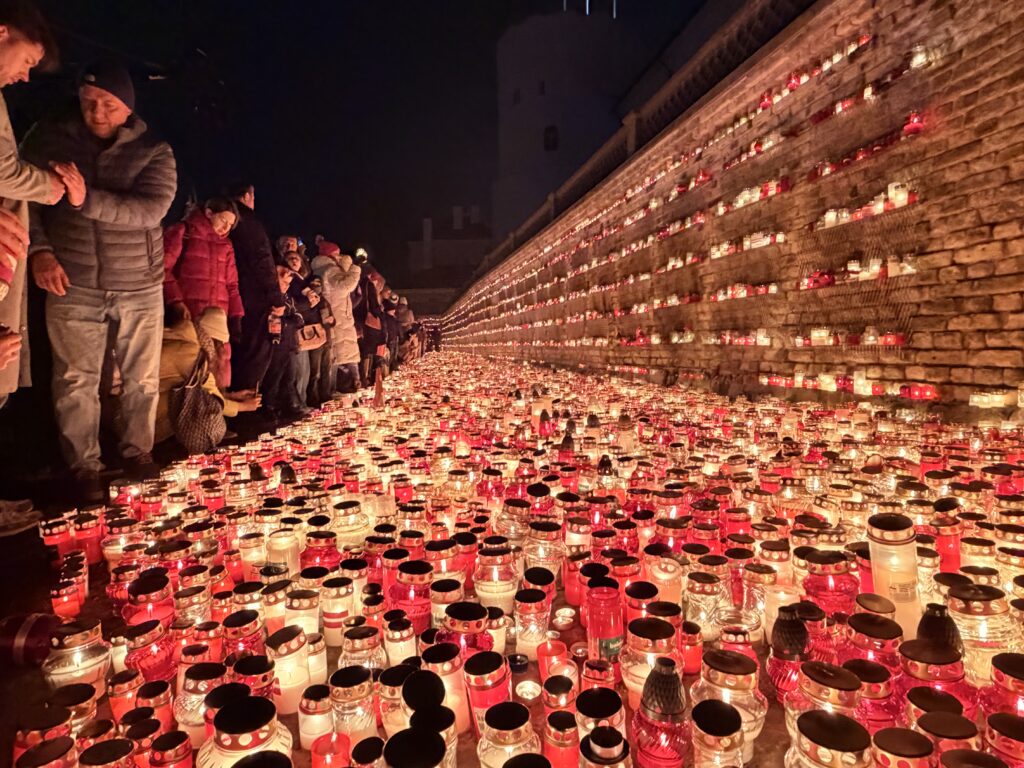
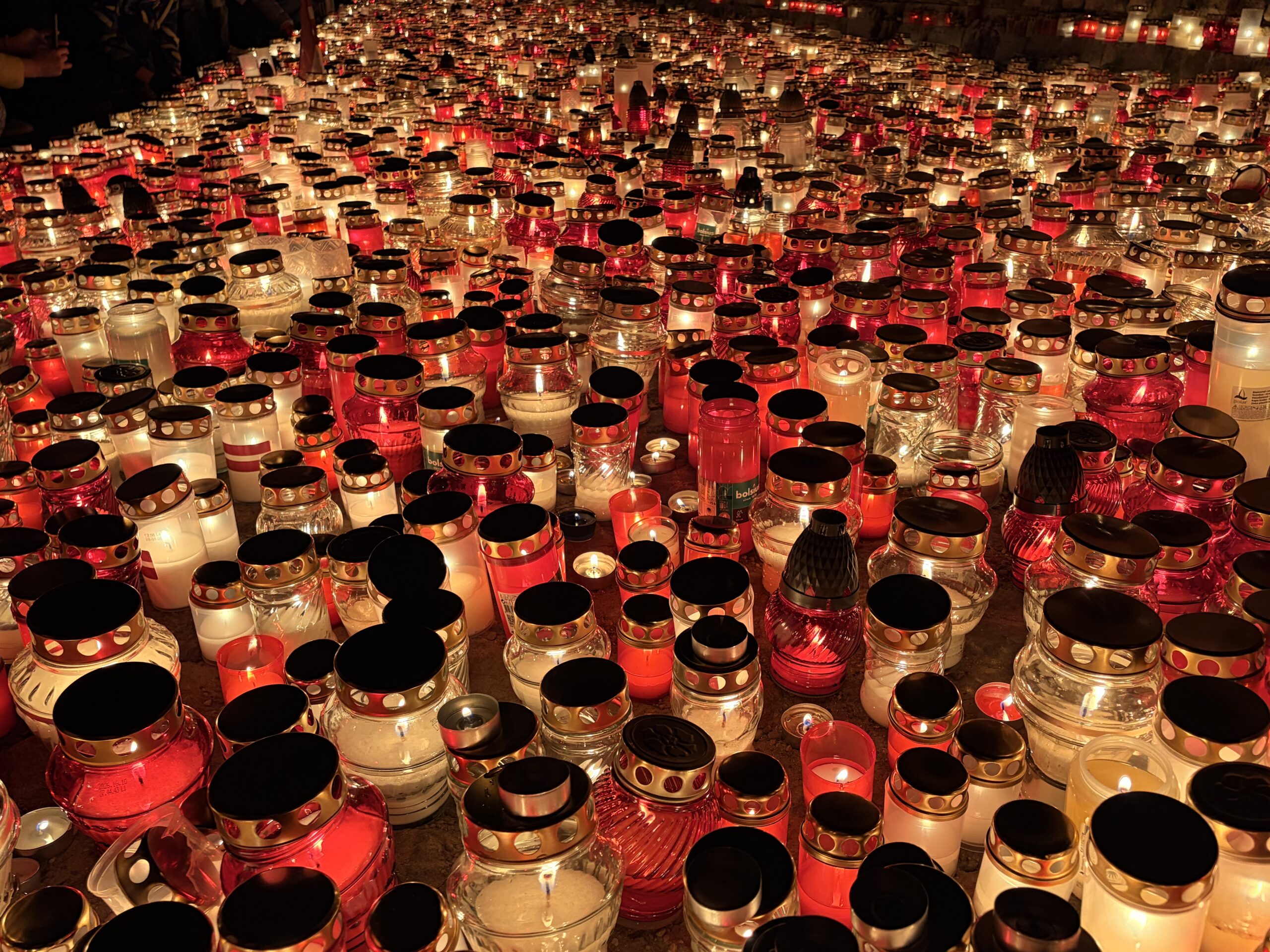
I went to the castle in the end. I’d never seen so many candles. I think people have been lighting even more of them since 2022. A few little fires broke out in the sea of candles. So many people! There’s no party, no fireworks; everyone is so calm. This is like a patriotic civic duty: you place your candle, look around, sing along with the choir for a song or two, spot the president in the crowd and go home.