 Skip to content

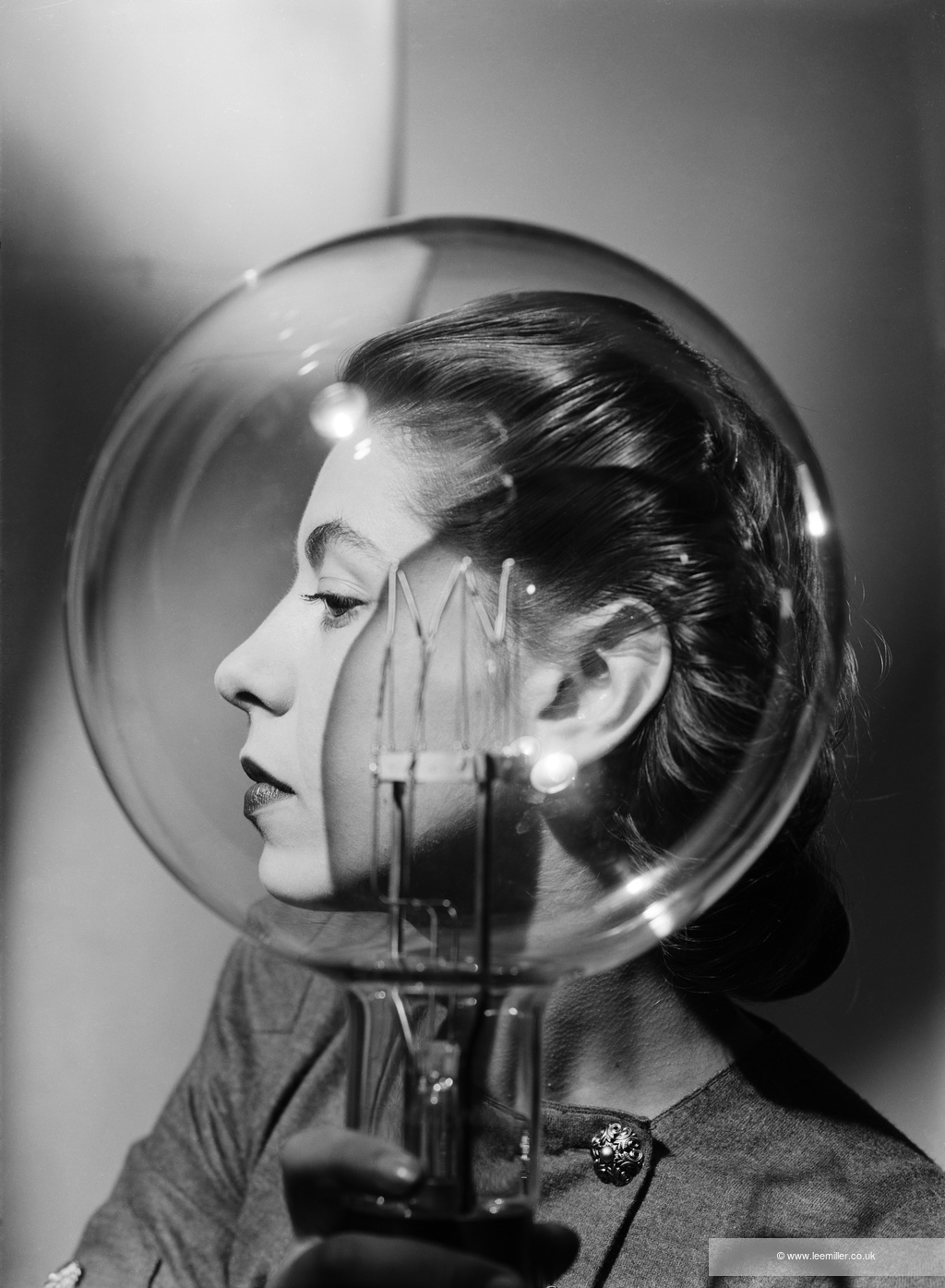
Lee Miller: Fearless, an exhibition, is shown at the Art Institute of Chicago from 29 August to 7 December (earlier: Musée d’Art Moderne de Paris, and Tate Britain)
Which photographer took a sliced breast from a surgeon’s mastectomy and placed it on a dinner plate beside a knife and fork, turning a saint’s martyrdom into a cannibal’s feast? Which photographer shot a silent movie where the Surrealist artist Man Ray, wearing a transparent nightie, bares his dangling cock and balls and then ostentatiously, on all fours, scratches his ass? Which photographer climbed into a Nazi cattle-car full of skeletal corpses in order to capture the expression on US soldiers’ faces, and sent it home to the fashion magazine Vogue with the command, « Believe It »? And had herself photographed that same night bathing in Hitler’s private bathtub — the night he died by suicide — her muddy army boots planted on the Führer’s bath mat?
Could this be the same woman who’d already had a successful career as a perfume model, and shocked American audiences by appearing in an ad for menstrual pads?
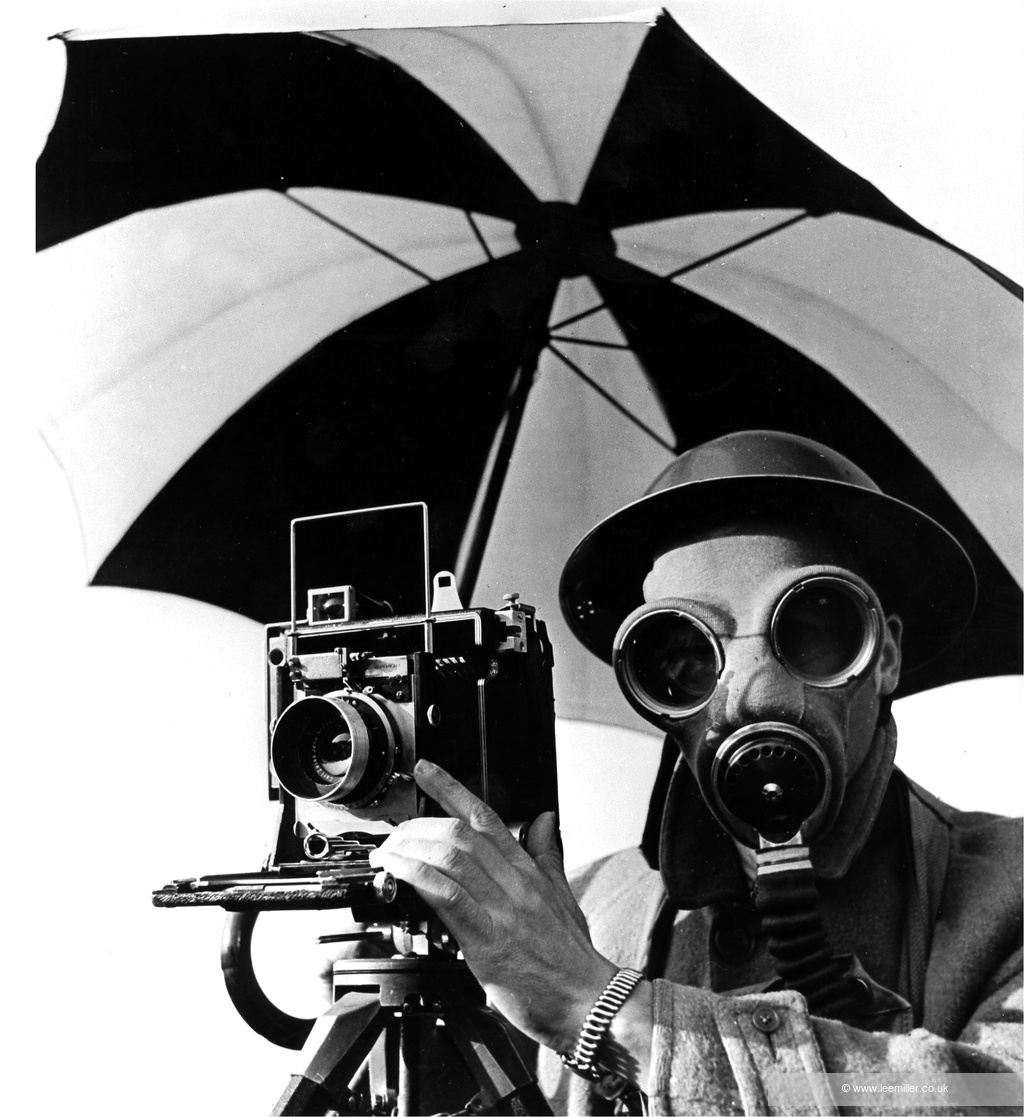
Lee Miller (1907-1977) is an American-born photographer whose life’s work is being shown in a breathtaking exhibition that’s travelled from London’s Tate Britain to Paris and now to the Art Institute of Chicago. If you can’t make it to Chicago, check out the accompanying catalogue: its essays, by writers including Deborah Levy, help us understand what it meant, for example, to be a war photographer in the 1940s — working up close on a small Rolleiflex with no zoom lens, auto-wind or built-in light meter, making your own prints in a tent in the field.
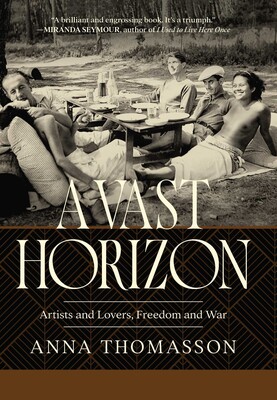
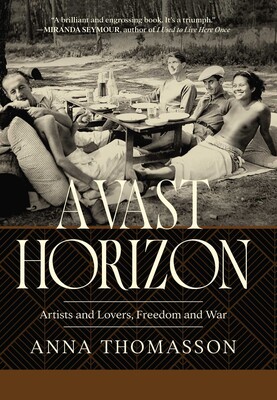
By happy chance, a more intimate side of Miller’s work — her informal snapshots of the artists and poets who were her friends and lovers — is the starting point of a new book, Anna Thomasson’s A Vast Horizon. Thomasson’s book focuses on the summer of 1937, when a band of friends including Miller, Picasso, Dora Maar, Man Ray, Surrealist Roland Penrose (Miller’s new lover and future husband), and the poet Paul Éluard gathered in the Hôtel Vaste Horizon on the Côte d’Azur for a last pre-war riot of art, writing, drinking, lovemaking.
Together, Thomasson’s book and the Miller exhibition give us crucial insights into how this essential twentieth-century artist confronted world war and its aftermath.
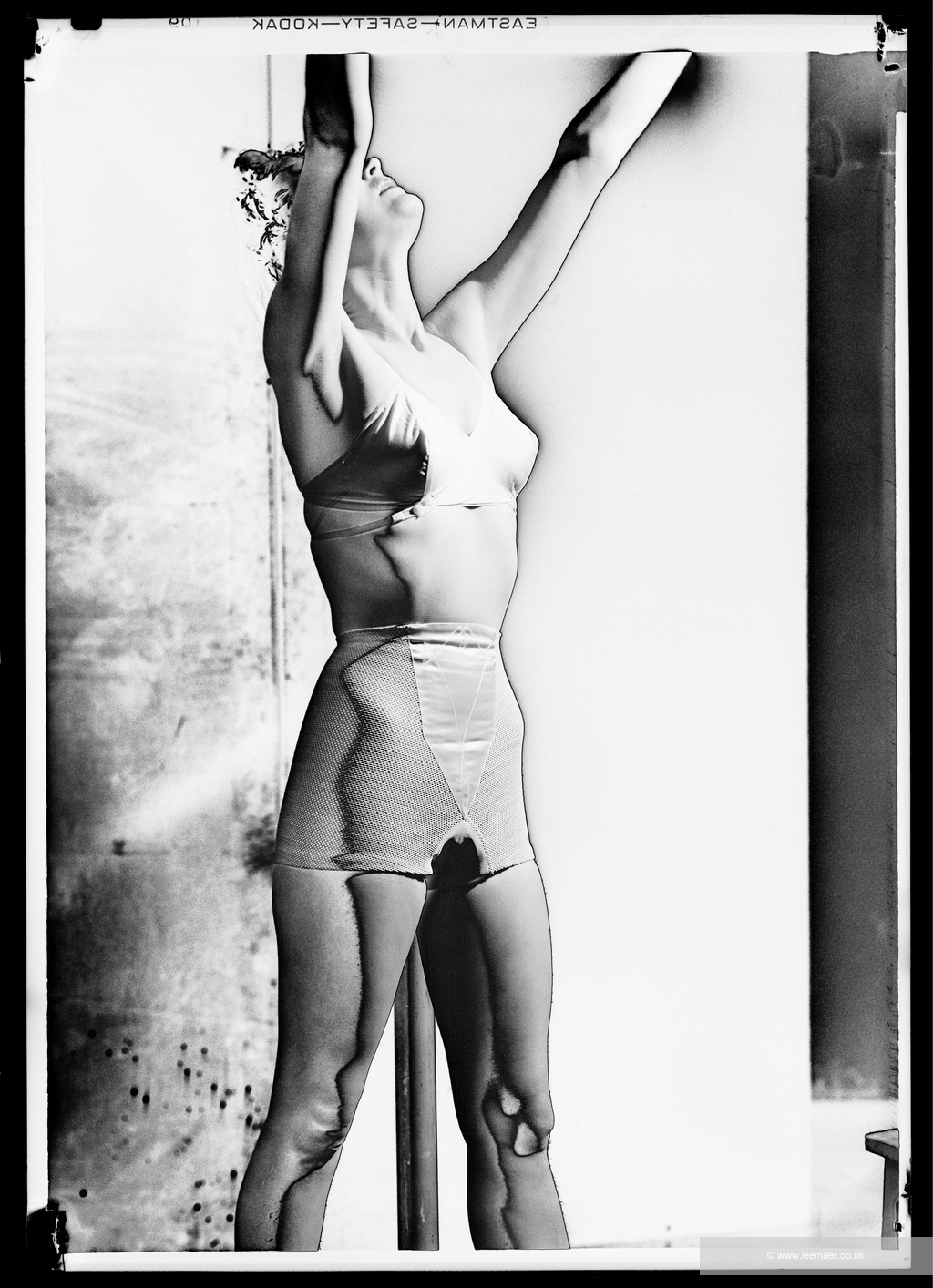
Elizabeth Miller (she adopted the more androgynous-sounding « Lee » when she opened her photographic studio and feared prospective clients might be prejudiced against a woman) was born in 1907 in Poughkeepsie, New York. Her father Theodore was a mechanical engineer who encouraged his beautiful golden-haired daughter’s taste for chemistry and technological innovation. Lee Miller’s son and biographer, Antony Penrose, claims that his grandfather Theodore was the only man his mother really loved (a claim that may reflect Penrose’s own hurt at Lee’s shortcomings as a mother). Since Theodore lived to be almost a hundred, he had an outsized role in his daughter’s life.
One thing that formed Miller happened when she was seven. Staying with family friends, she was raped and infected with gonorrhea by a young sailor left to babysit her. She received painful acid treatments for most of her life. Theodore’s creepily incestuous response to his seven-year-old’s violent and premature sexualization was to begin photographing the child naked — a practice he continued through her twenties, getting her and her girlfriends to pose nude together in seductive poses. Although she apparently never questioned or put a stop to this practice, Miller’s expression and body language in her father’s nude photographs suggest a certain lingering dissociation. (Her parents also took her to a psychiatrist who reportedly suggested they tell the little girl that sex and love were two completely separate realms — a lesson she absorbed pretty well: later on, married to an Egyptian businessman and living in conservative Cairo, Miller shocks a local friend by explaining, « If I need to pee, I pee in the road; if I have a lech for someone, I hop into bed with him. »)
Miller’s art is driven by the compulsion to get a little too close to the edge — « getting out on a damn limb and sawing it off behind you » is how she described her approach. In his book The Body Keeps the Score (2014), the Dutch-American psychiatrist Bessel van der Kolk lists some of the symptoms in people who’ve experienced early trauma — they include dissociation, « extreme risk-taking or thrill-seeking » and « maladaptive attempts at self-soothing ». I suspect that Miller, who according to one biographer started her day with benzedrine and black coffee and ended it with a bottle of hard spirits and sleeping pills, would score pretty high on such a test.
In the 1920s, Miller, who’d studied art and experimental theater, became a successful New York fashion model, embodying the era’s ideal of the flapper: boyish, sporty, free. She was photographed for Vogue by all the pre-war greats, several of whom spotted in her a potential colleague — Edward Steichen encouraged her to take the camera in her own hands and sent her to Paris to meet Man Ray, a Duchamp disciple who’d abandoned painting for photography1.
Lee Miller quickly made herself a fixture of the Paris avant-garde, and became Man Ray’s assistant, lover and collaborator, with her body as their shared material; the two sometimes found it hard to say whose work was whose. In an intriguing example of appropriation, repurposing and counter-appropriation, the exhibition displays a close-up of Miller’s throat. The wall-text explains that the image came from the negative of a « bust-length » photo taken by Man Ray, and discarded. Miller retrieved the negative and made this « exquisite print, tightly cropped around her own curving throat . When she declared the work her own, the couple quarrelled. Man Ray later signed it and published it under his own name. » This exhibition restores the authorship to Miller.
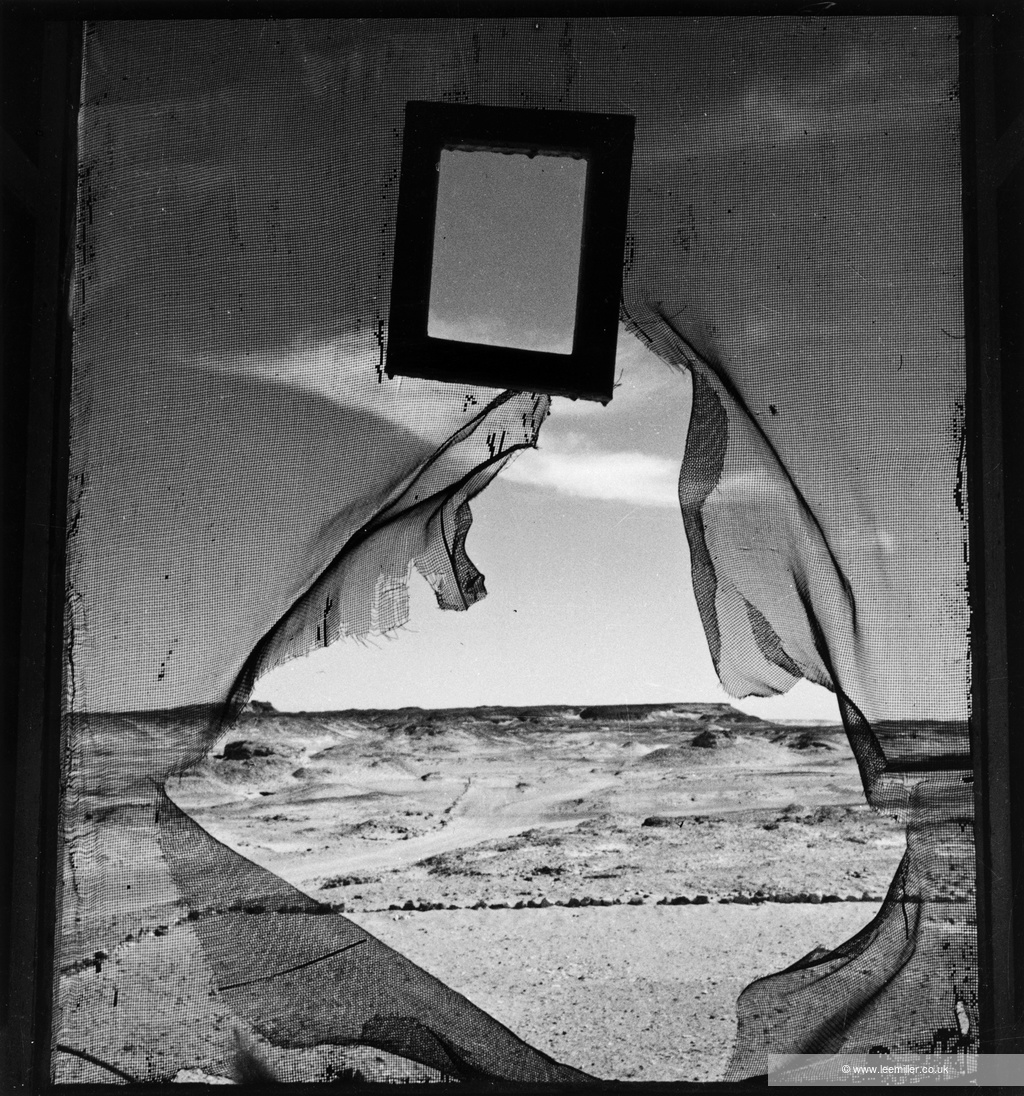
The imprint of Surrealism on Miller’s eye was lasting. It’s there in her Paris street scenes (images of rats sitting on a telegraph wire are juxtaposed with priests in long black frocks), in her Egyptian landscapes where she portrays a pyramid by photographing the shadow it casts over the surrounding farmland, and above all, in her war photography, beginning with the London Blitz. What could be more Surrealist than industrial warfare? She’s adept at highlighting how people try to reassert homeyness, order, beauty midst its destruction — a row of underpants and stockings hanging up to dry in the army nurses’ barracks; a soldier whose machine gun is draped in a lace table-cloth; a young singer, hands upraised in an aria, silhouetted against the rubble and naked steel girders of the ruined Vienna Opera House.
If Surrealist defamiliarization is one element in Miller’s work, its seeming opposite, a radical empathy, is another. Her photos from Dachau and Buchenwald of corpses stacked like firewood, of emaciated survivors’ staring faces, aren’t very different from Robert Capa’s or Margaret Bourke-White’s. What’s different are her portraits of the defeated Germans — the kapo who’s been beaten up by his former prisoners, giving Miller a defiant Nazi salute as she enters his cell. Miller maintained that Germany was a nation of « schizophrenics », but she’s forcing us to see how it might feel to be one of them.
This need to get inside your enemy’s skin is most disturbing in the image of Miller in Hitler’s bathtub. The photo was taken by Miller’s war-buddy David Scherman, but Miller is the one who staged the shot. She and Scherman spent the day photographing the skeletal bodies of Hitler’s victims, but she refused to stay on the safe side of the camera. Now she exposed her own body too for the viewer, laying herself bare in this lair of evil that is so middle-class and ordinary-looking. She sits under a shower hose that evokes the gas-chamber hoses she’s just witnessed at Dachau, and her weary ironical gaze tells us that nothing in this world is safe, that even the most mundane domestic fixture can become an instrument of industrialized murder.
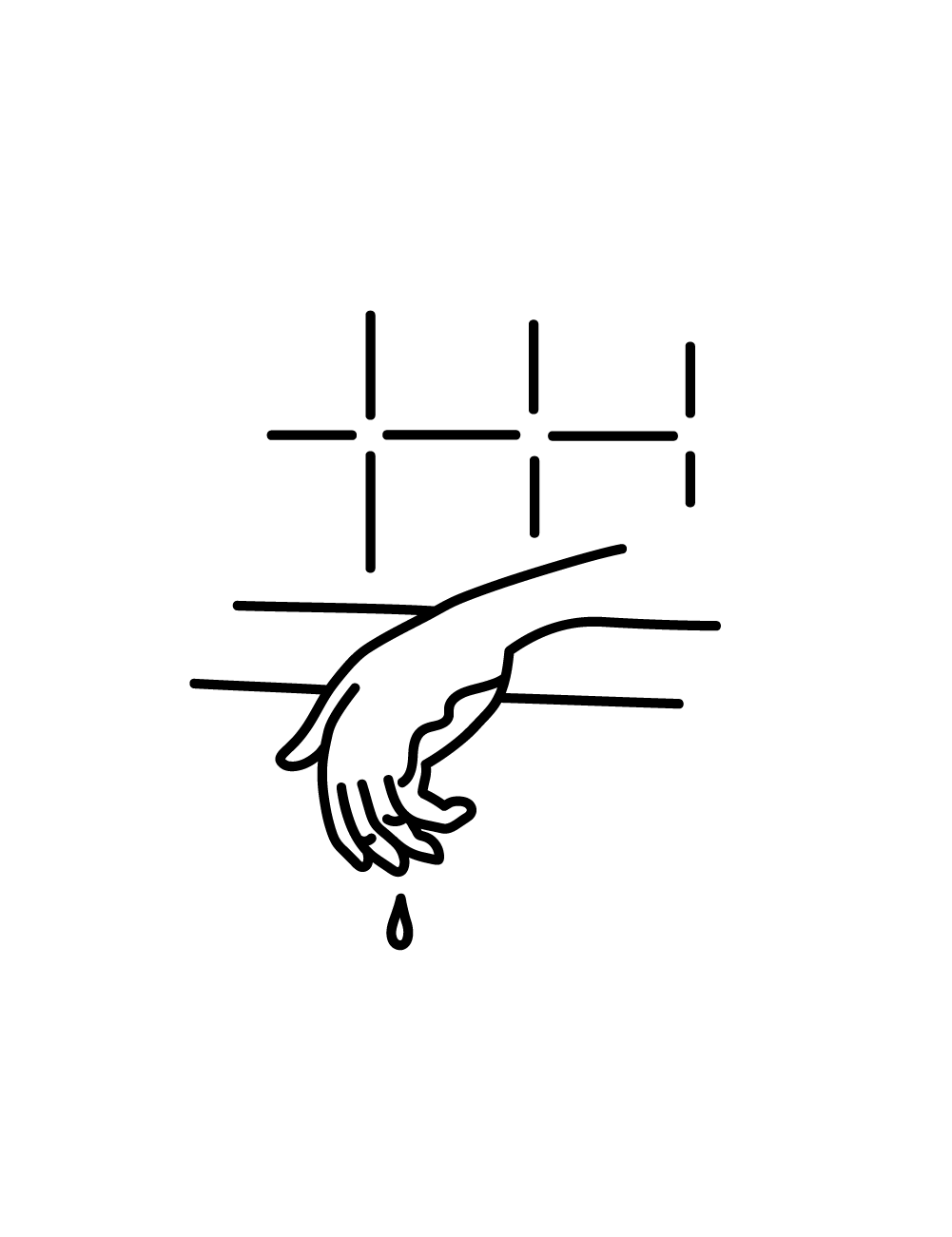
« I got in over my head. I could never get the stench of Dachau out of my nostrils, » she admitted to her future biographer Carolyn Burke in the 1970s. After the German surrender, Miller kept chasing the war as it receded east through Austria, Hungary, Romania, photographing Viennese babies dying of malnourishment; the execution of Hungary’s fascist premier; Romanian Gypsies with dancing bears.
Everyone loved Miller: she was humorous, generous and great fun. The generosity and the fun spill over into the images, especially of women artists, women at war, but so does her rage. She’s unable to let go, because if she ever stops, what she’s seen will devour her. Finally Vogue and Allied Headquarters take away her army Jeep and order Miller home, a physical and psychic wreck.
Of the new post-war order, she wrote: « This is a new and disillusioning world. Peace in a world of crooks who have no honor, no integrity, and no shame is not what anyone fought for. »
Miller married her longtime lover Roland Penrose, settled with him in a Sussex farm house, had a child at forty, and supported Penrose in founding London’s Institute of Contemporary Art. She did her best at playing Lady Penrose, but being an English countrywoman, an institutional wife, was never her thing. Even if the guests she hosted were Pablo Picasso and Max Ernst.
Le Miller wasn’t the only person who found it hard to adjust to post-war life. Anna Thomasson’s A Vast Horizon opens with Miller’s joyous 1937 photo of a sun-dappled Surrealist picnic under the Mediterranean umbrella pines, with the women reclining bare-breasted and Man Ray, Paul Éluard, and Roland Penrose as admiring satyrs, but it goes on to explore how each of this group of artists, poets, muses was damaged by the war and its aftermath. Some of them found redemptive meaning in Soviet Communism: Éluard wrote an « Ode to Stalin », Picasso drew Stalin’s portrait and donated his dove drawing to the 1949 World Peace Congress.
Miller wasn’t tempted by ideology, and doing lifestyle features for Vogue just didn’t fill the hole in her psyche. She gave up photography and resisted any attempts by curators, historians, gallerists and admirers to resurrect her work, claiming that her archives had been destroyed — « lost in New York, thrown away by the Germans in Paris, bombed & buried in the London Blitz » and « scrapped by Condé Nast ».
Her final decades Miller devoted to cooking, concocting fabulous alcohol-fueled feasts for her house-guests, ending with inventions like marshmallow-and-Coca Cola ice cream that teasingly evoked both her Americanness and her Surrealism.
After her death, her daughter-in-law found stowed in the attic the boxes of over 60.000 photographs, negatives and contact sheets that Miller had claimed were lost.
Side note
THE BIOGRAPHIES
Lee Miller has been blessed with sympathetic and insightful biographers, well attuned to the complexities of this woman whom her war-photographer colleague David Scherman described as « a consummate artist and a consummate clown; at once an upstate New York hick and a cosmopolitan grande dame; a cold, soignée fashion model and a hoyden », « a renaissance woman » and « a mensch ».
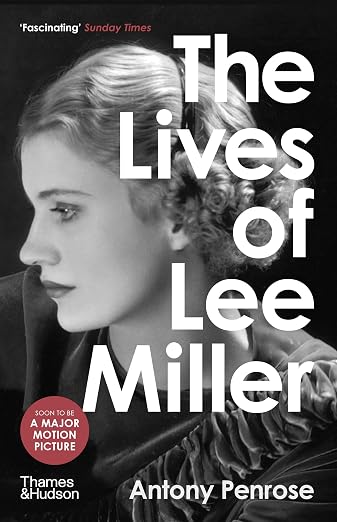
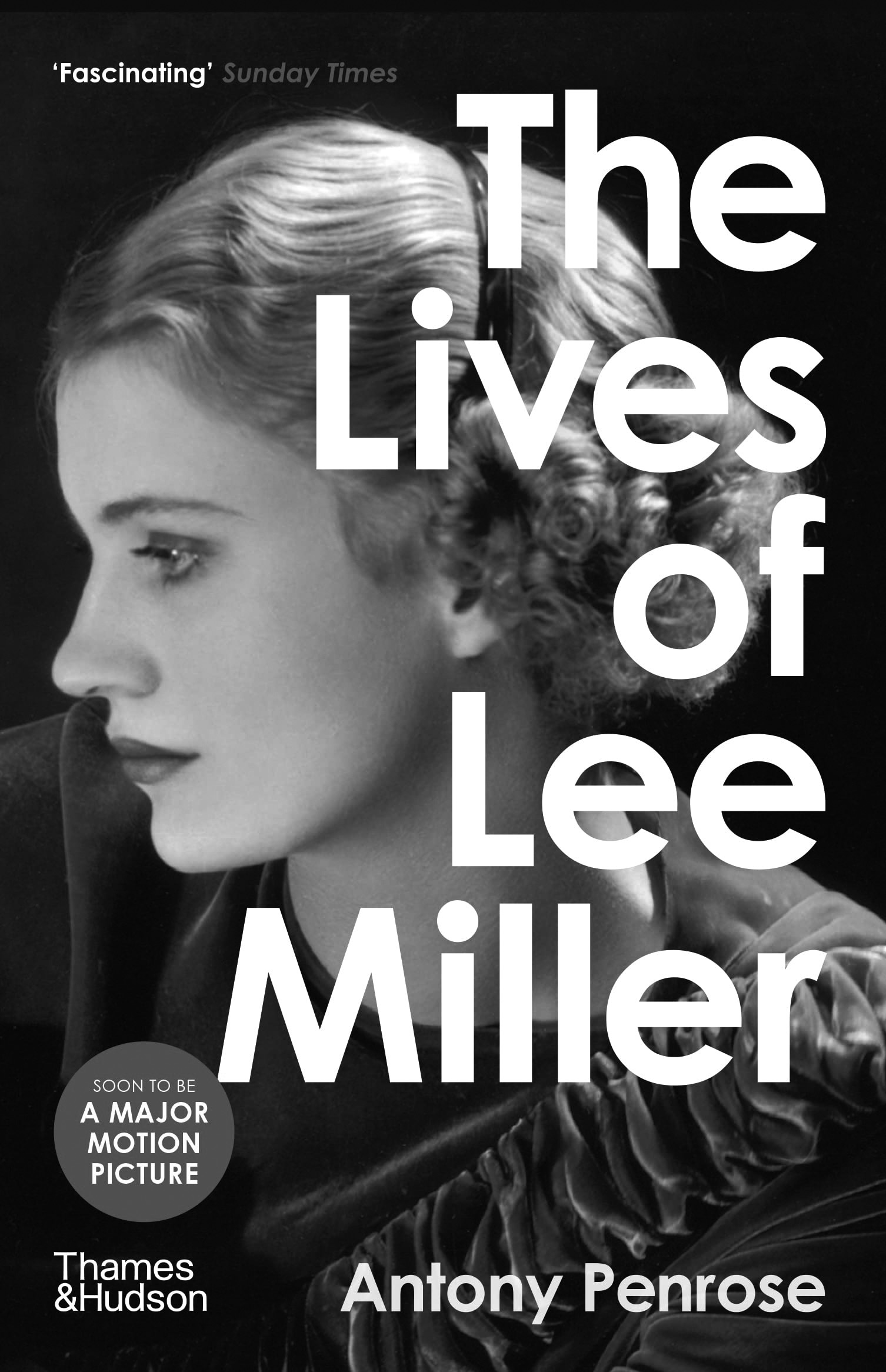
The toughest job went to her first biographer, Antony Penrose. Penrose was Miller’s only child, born when she was forty and entering her post-war doldrums. Miller didn’t much take to motherhood, and her relationship with her son was one of « open warfare ». Penrose managed to utter at the age of ten the most cutting take-down of a parent I’ve ever heard: sent off to boarding school, the little boy suggested that his nurse « meet me from the school train because if Mummy comes I am not sure if I will recognize her ». It’s a tribute to the love underlying their antagonism that Penrose later chose to marry a woman whom Miller adored, and who helped Penrose discover his mother as an artist. It was Susanna Penrose who, after her mother-in-law’s death, found the boxes of « lost » photographic archives in Miller’s attic and who together with Antony created the Lee Miller Archive and founded a museum of both his parents’ work in their Sussex farm.
Perhaps Penrose’s The Lives of Lee Miller (1985) is so discerning because it is in effect the biography of a stranger: Miller had pretty much given up anything but portraiture by the time her son was a child, and neither he nor his father knew until after she died of such transformative events as her rape, aged seven. (It was Miller’s brother who told Penrose of the screams that tore through the house whenever Lee’s mother administered the acid gonorrhea treatments, and how after the incident Lee became a « wild » thing.) Penrose rightly concentrates on her war-photography — and in particular her relationship with the much younger David Scherman — as the most rewarding part of his mother’s life.
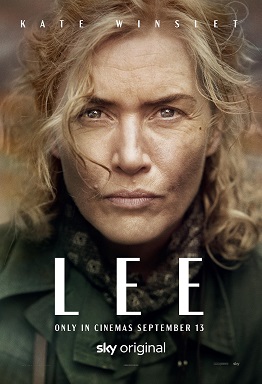
Antony Penrose, played by an actor, is the interviewer in Ellen Kuras’s 2023 biopic Lee, starring Kate Winslet, which focuses on Miller’s war experiences. The film’s sentimentalities made me feel the huge tonal gap between the first half of the twentieth century and our own time. Miller’s generation weathered two world wars and the Great Depression by adopting a public manner that ranged from cheery wise-cracking breeziness to dark cynicism: Winslet’s heroine is a lot weepier about the atrocities she records than her model would have allowed herself to be. Miller did moral outrage and loathing — the vivid reportage that accompanies her images bristles with them — but she was never « soft ».
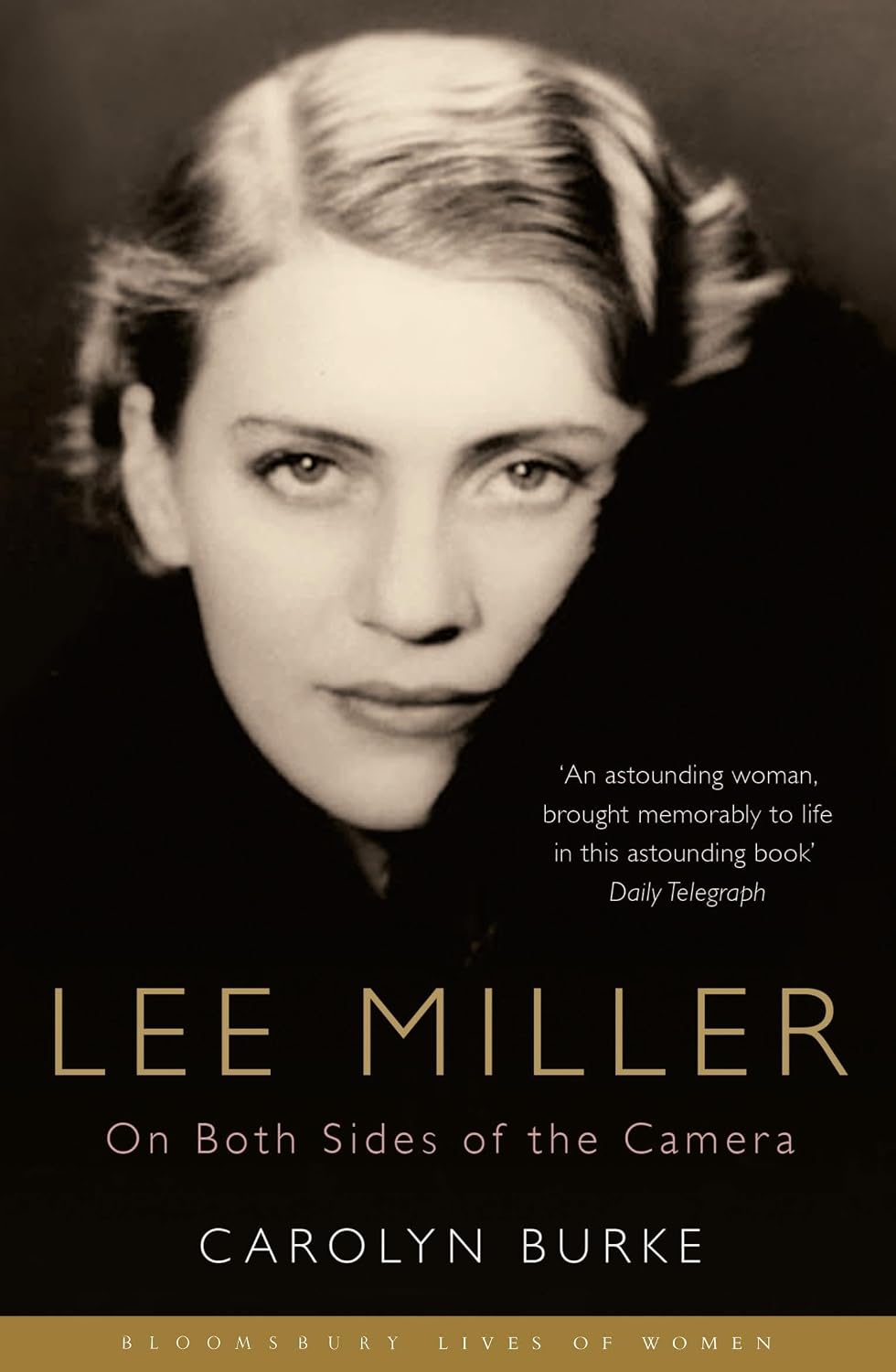
Certain people, however, did manage to get beneath the photographer’s hardy humorous carapace. The Australian writer Carolyn Burke was among them: the two women met by chance at a public event, and fell into an intimate, far-reaching discussion of Miller’s life. Almost thirty years later, those conversations became the basis for a superbly nuanced biography, Lee Miller: On Both Sides of the Camera (2005).
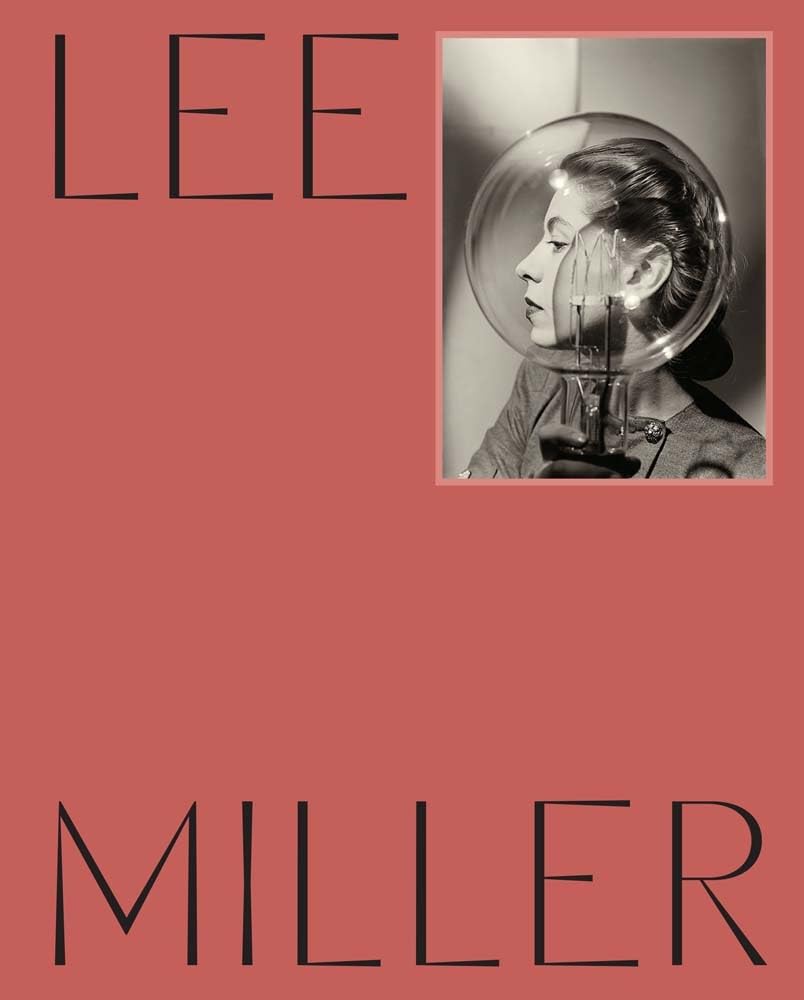
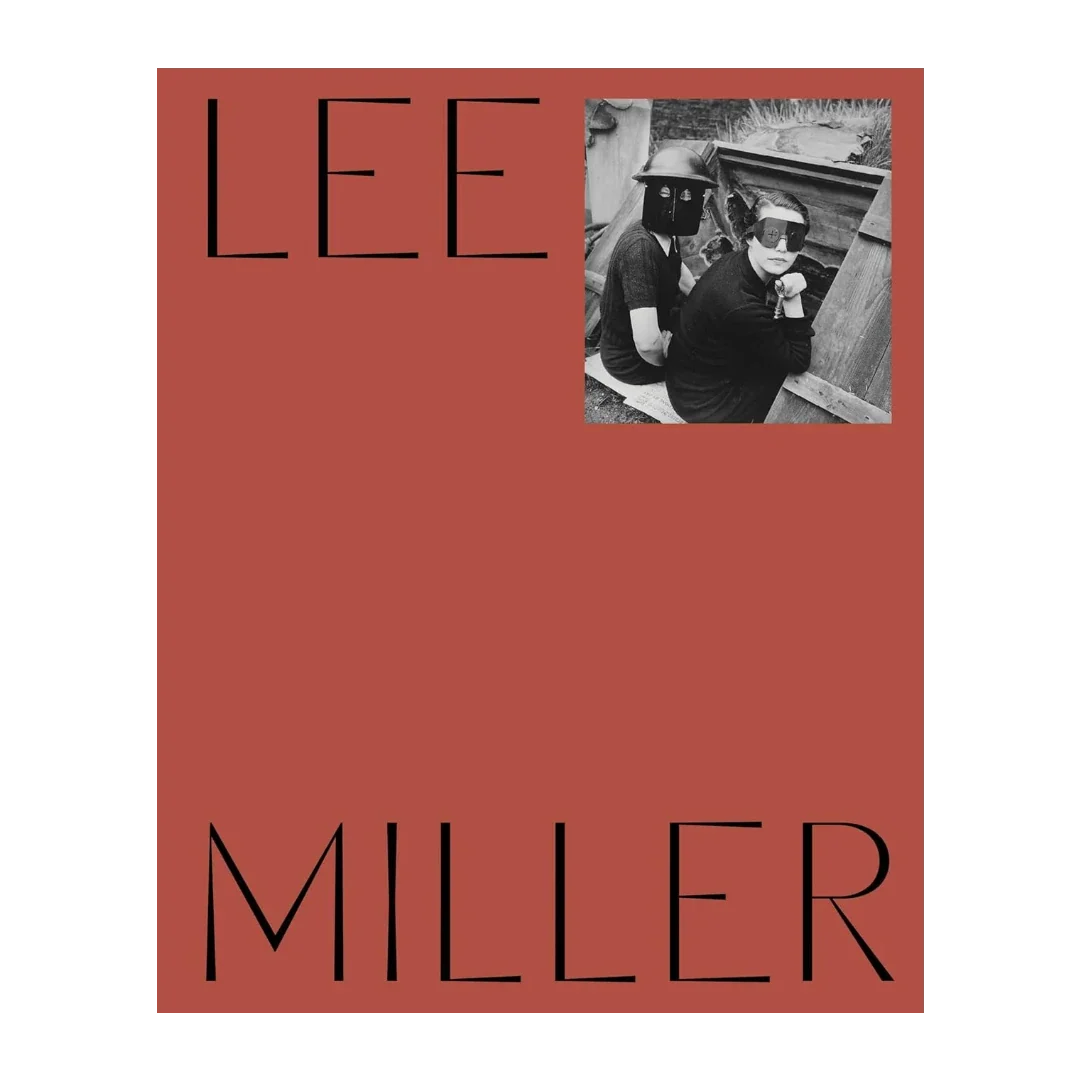
For the best view of Miller’s photography, find the catalogue accompanying the exhibition currently at the Art Institute of Chicago, Lee Miller, edited by Hilary Floe with Saskia Flower (Tate Publishing, 2025).

- Readers who only know Vogue in its current incarnation may be surprised to learn that in the twentieth century, it was home both to experimental artists like Man Ray and, thanks to Miller, to ground-breaking coverage of the Nazi death-camps. ↩︎