 Skip to content

The Yugoslav Wars were Europe’s deadliest conflicts since World War II: nearly a decade of fighting, more than 130.000 dead. In 1993, amid the atrocities, the United Nations Security Council adopted Resolution 808, establishing the Yugoslavia Tribunal, the first war crimes court ever created by the UN. It would take 24 years and more than 10.800 trial days to bring its 161 indictees to justice.
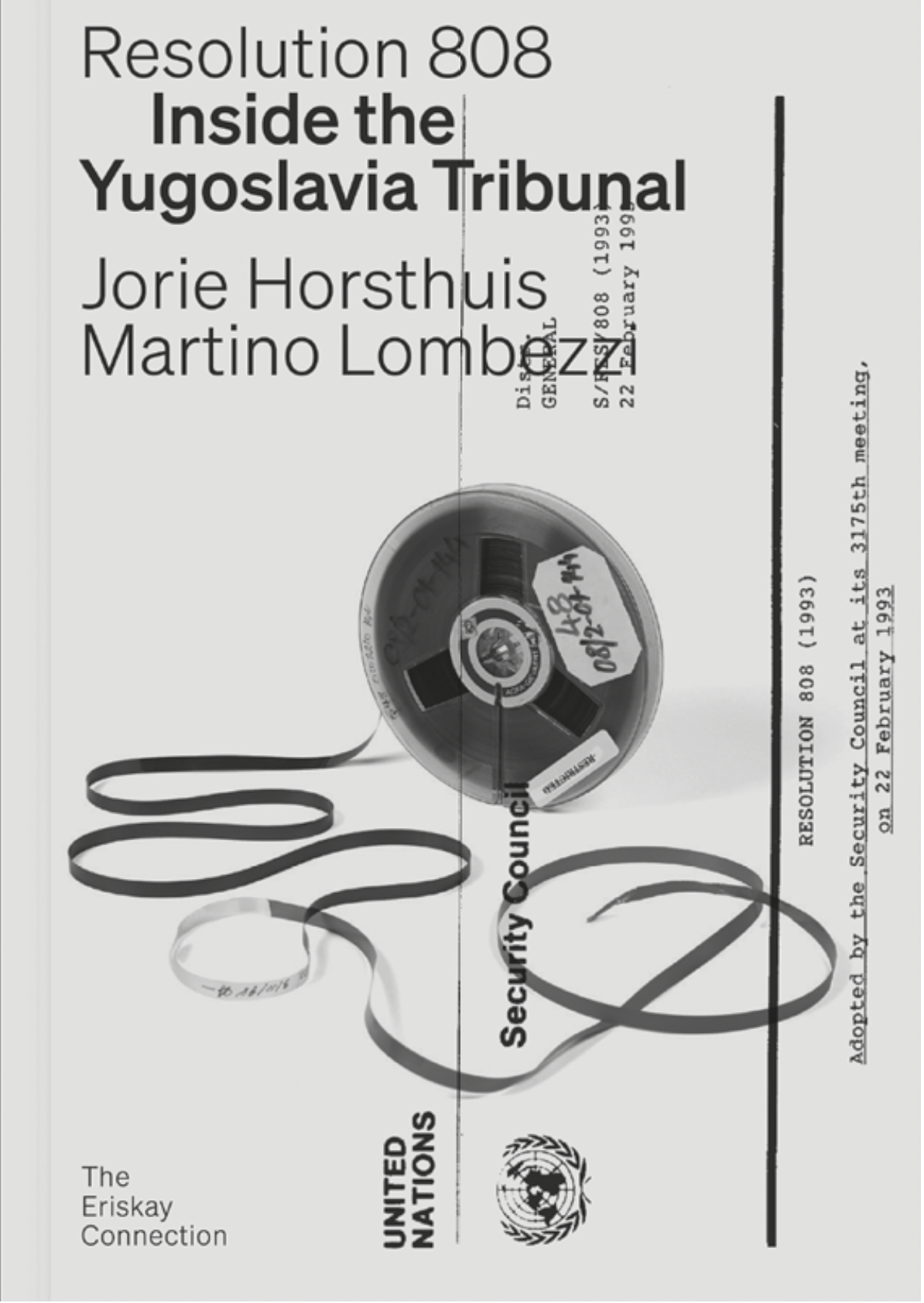
Journalist Jorie Horsthuis and photographer Martino Lombezzi have been reporting on the Balkans since the early 2000s. For Resolution 808: Inside the Yugoslavia Tribunal, they followed the court from within. In words and images they documented the people, places and objects at the heart of the trials, gaining access to an institution that kept its doors closed for many years, and capturing voices and accounts that might otherwise have gone unheard. Their work appears as a book and a series of exhibitions.
Here we publish a chapter from Resolution 808: Inside the Yugoslavia Tribunal, published by The Eriskay Connection, written by Horsthuis, alongside the photography of Lombezzi. It is the story of the Tribunal’s translators and interpreters: the people through whom every word of testimony had to pass.
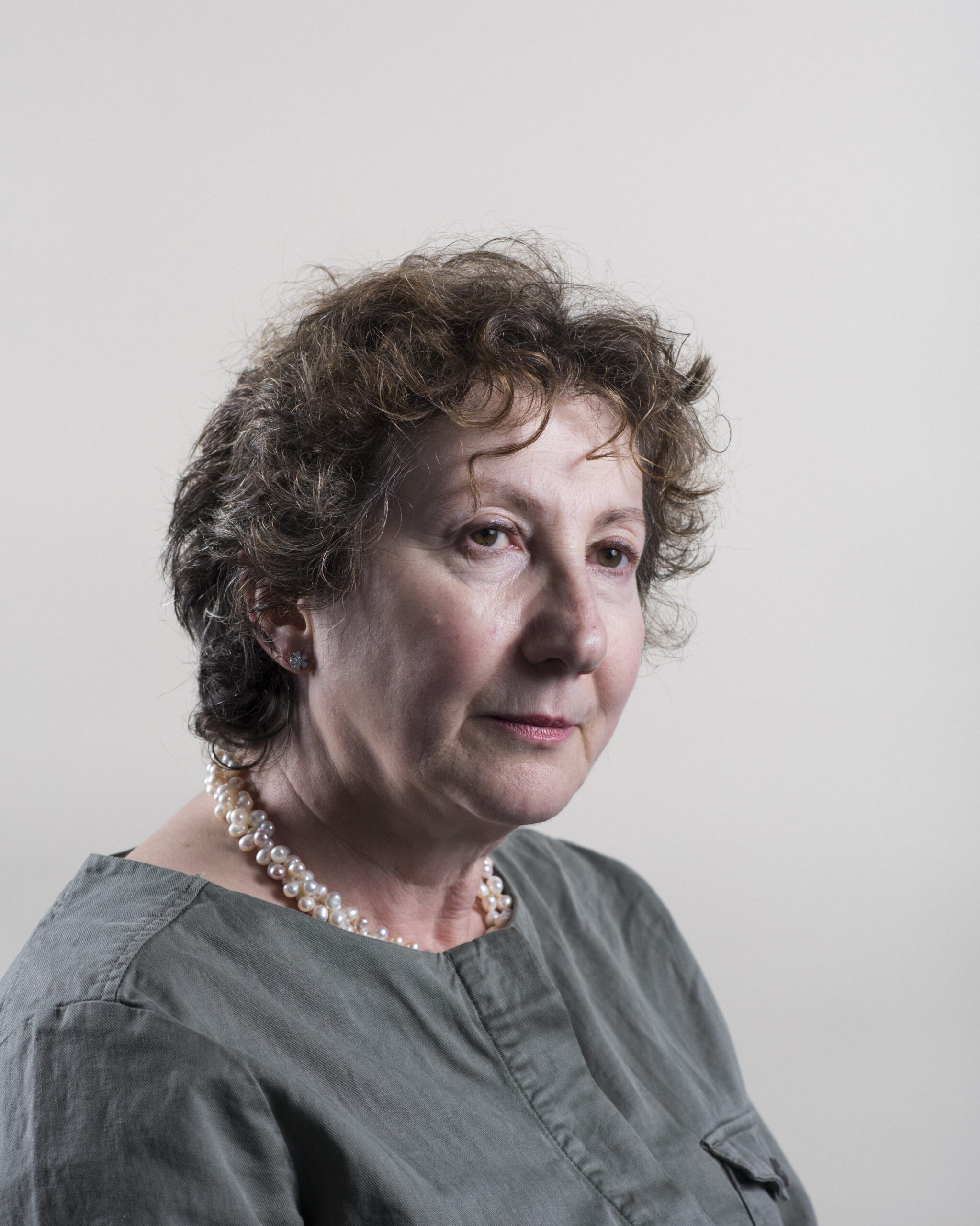
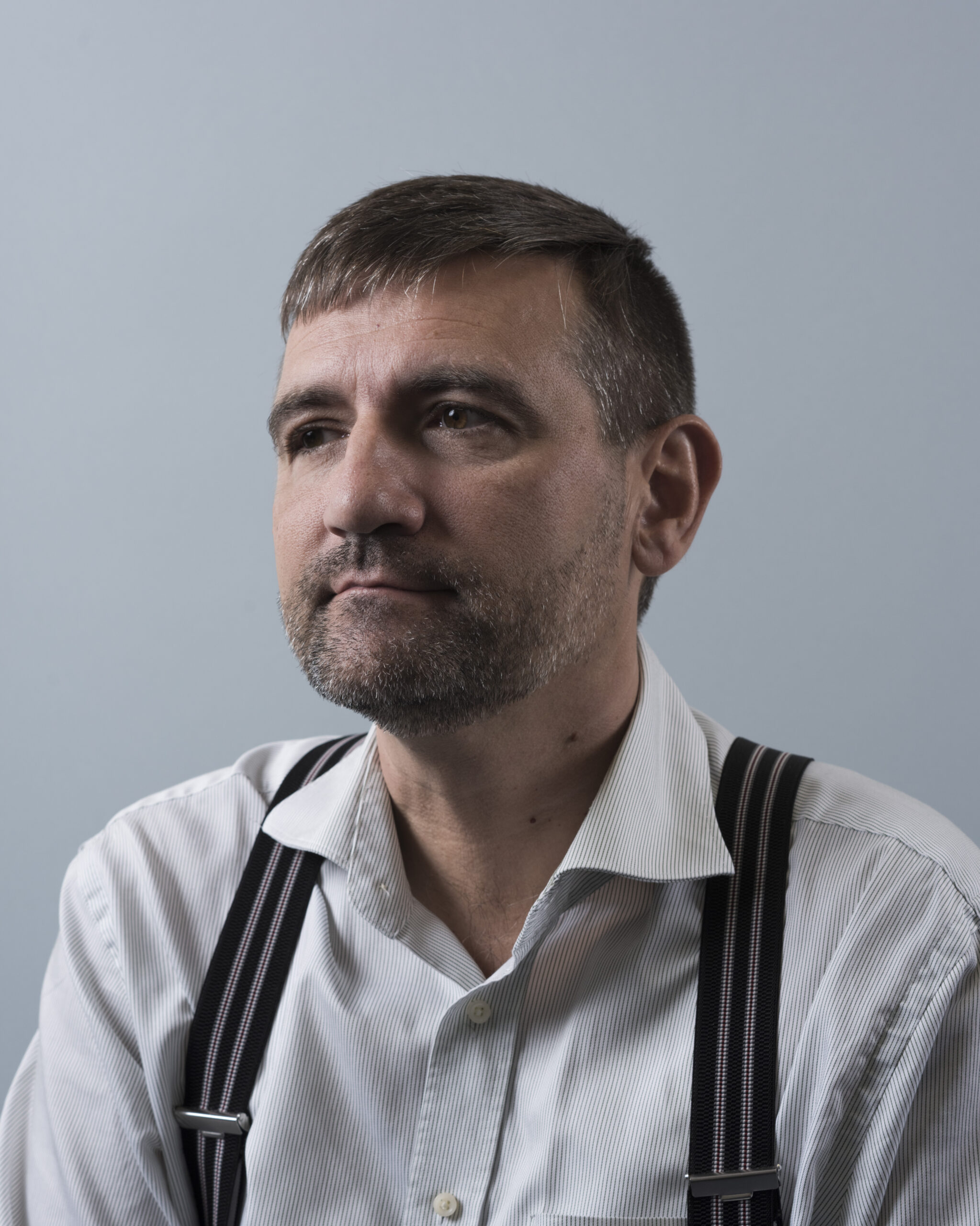
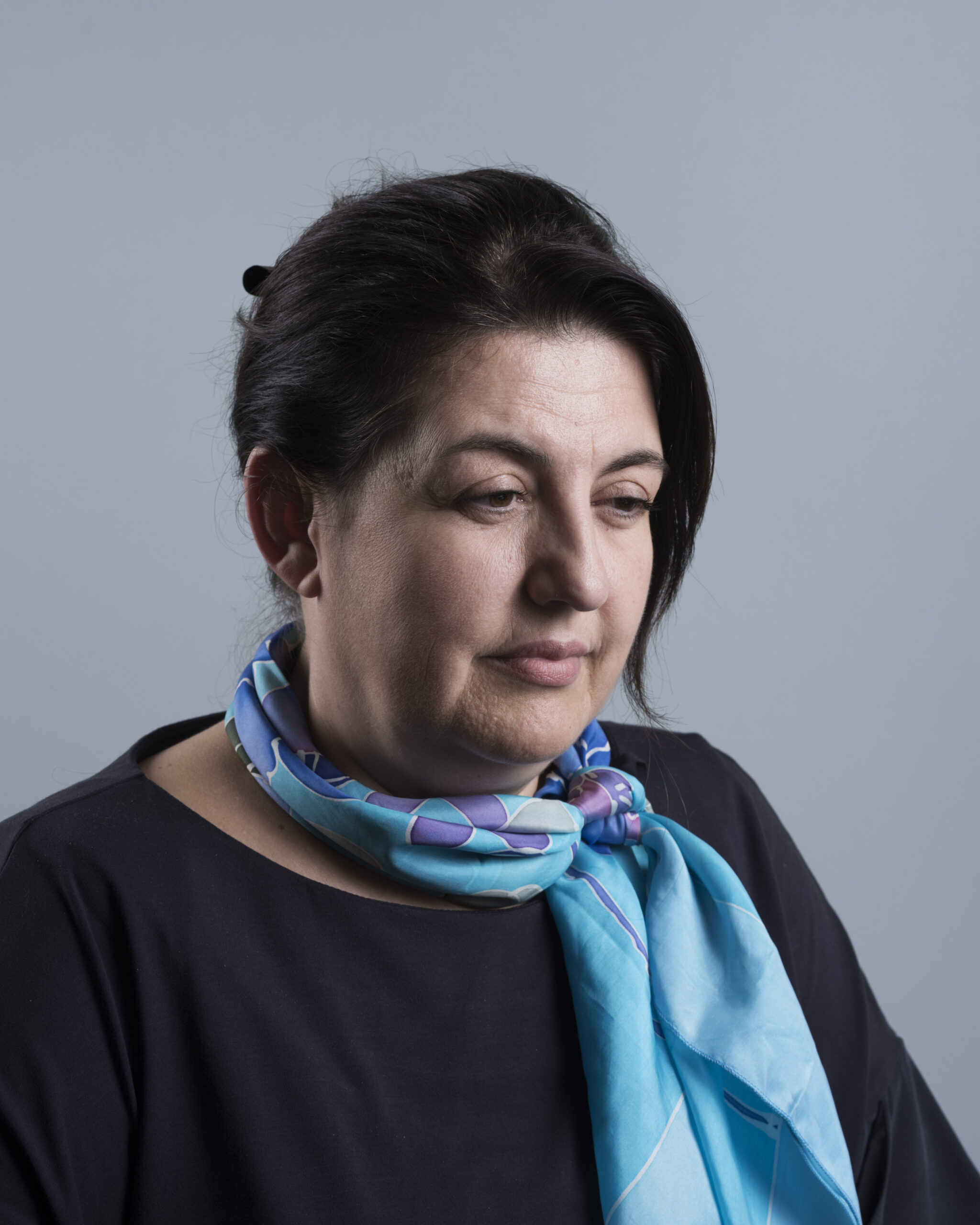
« I am General Ratko Mladić, » says a friendly female voice through Judge Alphons Orie’s headphones on the 3rd of June, 2011. « I was born on Easter Monday, in 1943. » As the Bosnian Serb introduces himself in his native language, the interpreter repeats his words almost simultaneously in English. The tension is palpable: this is the first day of the trial against the former general, who is held responsible, amongst other things, for the ethnic cleansing of Bosnian Muslims in Srebrenica. He has been on the run for years, until finally being caught and transferred to The Hague. As soon as the judge reads out the charges against him, Mladić becomes agitated. Now the interpreter’s voice rises too. « Mr Orie, I would like to receive a copy of the text you have just read out, containing those unpleasant accusations, » says the woman’s voice. « I have never heard such monstrous words. »
Speaking later, Martina Fryda-Kaurimsky has to laugh about it. « As an interpreter, you must render everything that is said in the courtroom, including things you would never dare to say out loud yourself, » she says. « Sometimes, you have to swear, be aggressive, or hurl insults at the judge or the chief prosecutor. That always feels very uncomfortable. » On a few occasions during the trial, Mladić has been so infuriated as to force Judge Orie to remove him from the courtroom. At those moments, the former general is duly led away, still ranting and raving. « The only way to deal with it is to switch off your emotions, » Fryda-Kaurimsky reflects. « To focus on your task: interpreting. »
The judges, prosecutors, and defense lawyers at the Yugoslavia Tribunal come from all over the world, and thousands of witnesses have now given their testimony. To ensure everything runs smoothly, the trials are conducted in three languages simultaneously: English and French — the court’s official languages — and the language spoken in large parts of ex-Yugoslavia, now diplomatically referred to as B/C/S (Bosnian/Croatian/Serbian). Sometimes Albanian or Macedonian are added to the mix. In total, the interpreters have provided simultaneous interpreting for some 80.000 days.
Yet most of those present in the courtroom are barely aware of their work. Interpreters prefer to operate behind the scenes, and in most cases have never spoken to the media. « A good interpreter is an invisible interpreter, » says Fryda-Kaurimsky. « As long as we don’t make any mistakes, people forget we’re there. But as soon as something goes wrong, all hell breaks loose. »
Almost all the defendants have criticized an interpretation at some point during their trial, but the worst offender was Vojislav Šešelj, the Serbian politician who was charged with war crimes and crimes against humanity. « Mr President, your interpreters seem to have received hardly any training, » he grumbled a few months after his trial began, in 2008. He was indignant about the rendering of the military term « zvanje » , which had been interpreted live in court as « rank », but which, in his view, should have been « title ». « The interpreters working here are making extremely serious and basic mistakes, » he complained, and a few months later he asked the court to remove an interpreter over a similar incident. He described their work as « disastrous ».
Fryda-Kaurimsky walks to her interpreting booth, the small cubicle adjacent to Courtroom 1, where not only Šešelj but also former political and military leaders such as Milošević, Karadžić and Mladić have been tried. « It is precisely because of all the nuances that we compile the most accurate glossaries possible in our department, » she affirms, showing a sheet of A4 paper listing all the military ranks and titles from the various armies that fought each other in the former Yugoslavia. « That way, we know we’re all rendering each term in the same way. » Of course, it is very unpleasant for an interpreter when he or she becomes the subject of discussion in the courtroom. « But in most cases, we are not to blame — in fact, our department is praised for the high accuracy of our work. »
Through the large window of their booths, Fryda-Kaurimsky and her colleagues have a good view of the judges, prosecutors, defendants and witnesses. A large map of the Balkans lies on the floor in the corner. « It used to hang on the wall, but that’s no longer necessary, » says Fryda-Kaurimsky. « By now, we know all the places by heart. » The interpreters work in pairs, taking turns every half hour. « As a simultaneous interpreter, you have to be able to listen, translate and speak at the same time; that requires intense concentration. » In her previous roles, she became used to simply summarizing the essence of what someone says, and conveying the meaning properly. « At the tribunal, it’s different: you have to stay as close as possible to the original text — every word counts. By the end of the day, we’re exhausted. »
In early 1995, Fryda-Kaurimsky, who speaks fluent English, German and French as well as B/C/S, was asked by the tribunal to work as an interpreter in Bosnia, where the war was still raging. Srebrenica had not yet been taken by General Mladić’s forces; the tribunal had been established two years earlier. « As a freelancer, I worked for the international investigators who were searching for witnesses to war crimes, » she says. « We worked late into the night, travelled from place to place and heard the most horrific stories. » She found it tough, but at the same time felt she was doing something important. « I helped document war crimes. Witnesses were relieved that they could tell us their stories and hoped that something would actually be done with them. I felt a great sense of responsibility. »
After a few years, the tribunal asked if she would like to come and work in The Hague. « I arrived just as the trials were reaching their first peak, in 1999. Everyone was tense: the first war criminals were finally being brought to justice, after years of investigation. Expectations were high, but we still had to live up to them. » The prison in the Dutch town of Scheveningen, where the defendants were held, was jokingly referred to at the time as « New Yugoslavia »: the indicted Serbs, Croats and Bosnians lived together harmoniously, cooked for one another, and watched football matches together. The same was true in the interpreting booths: ethnicity no longer mattered at all. « In the Balkans we might have been enemies, but in The Hague we tried not to let the war come between us. »
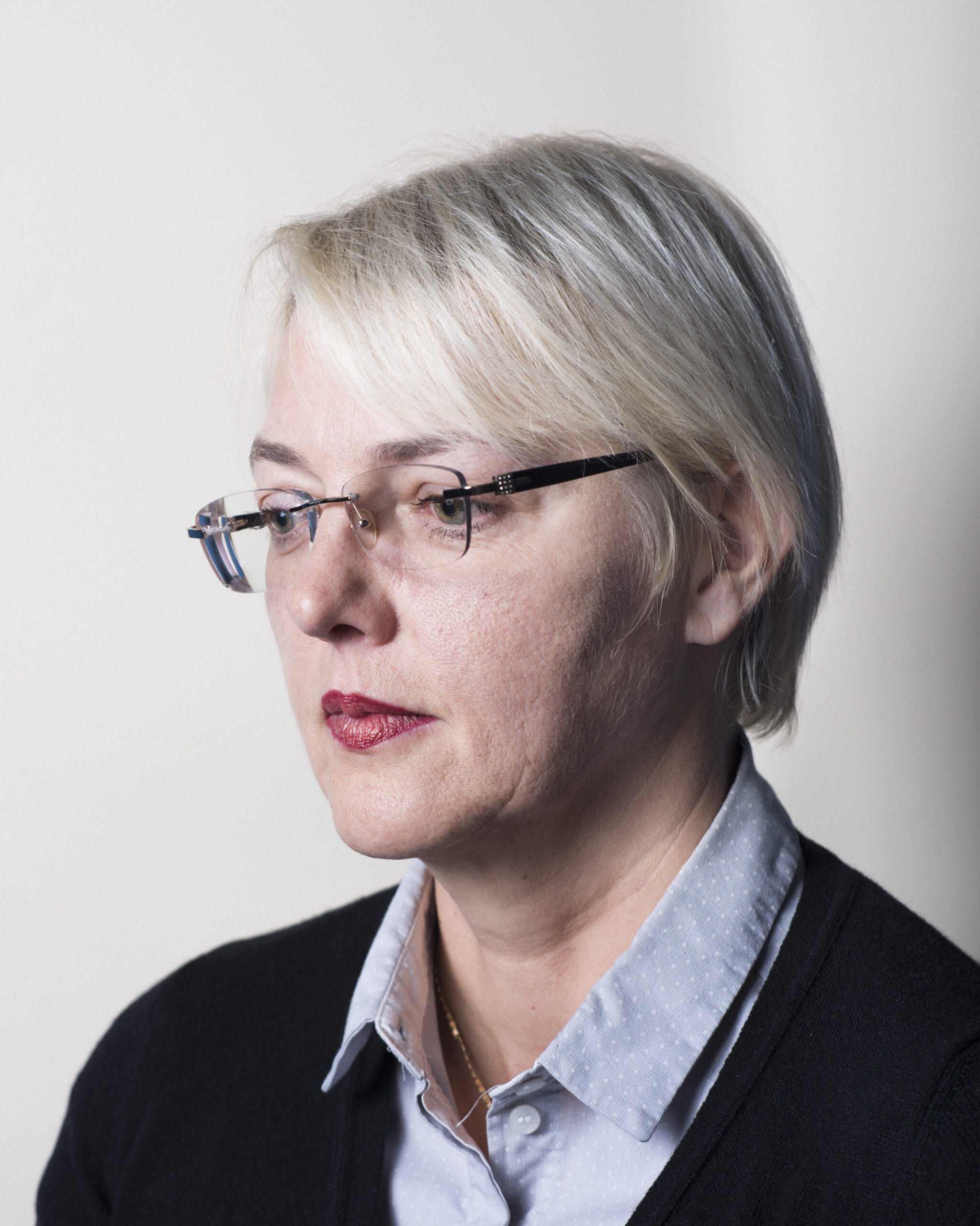
Yet the war left its mark on most of the interpreters at the Yugoslavia Tribunal. « At the time when Sarajevo was under siege by the Bosnian Serbs, I was studying French, » says Elmedina Podrug, who came to The Hague as an interpreter in 2002. « As I walked to university, snipers were watching the streets. There was constant shooting; it was life-threatening. » To survive, she worked as an interpreter for French journalists. That became more difficult when the libraries in the city were looted, and there were no French books or dictionaries left. « But I had a goal: to graduate, » says Podrug. « That helped me get through it. »
When the war was over, the journalists left, and as a result there was less and less work for her. So, she decided to apply for a job at the Yugoslavia Tribunal. « My father and sister were very worried when they heard I was moving to The Hague. Not so much because I would be coming face to face with war criminals, but because of the weather. ‘It’s so damp and cold there!’ they said. But one of us had to leave; my family needed the money. » Her new colleagues were impressed when they heard where she came from; she was the first interpreter from the ruined city that everyone had seen so much of in the news during the war. « Sarajevo? » they asked. « What’s it like there? »
Podrug was thrown in at the deep end as soon as she arrived in The Hague: she was asked to interpret in the case against Bosnian Serb general Stanislav Galić, who was held responsible for the siege of Sarajevo. « During the hearings, I was constantly on an adrenaline high, » she recalls. In the photographs shown by the prosecutors, she could see her own neighborhood. She knew some of the witnesses who were called to testify personally. « I forced myself to focus on the technical aspects of my work: the words and sentences I had to interpret. That’s how I managed to keep going. » It was only when she got home in the evening that she could process everything she had heard during the day. « Countless questions were racing through my head: how would I have acted if I’d been a witness? What would I have said? I had to find answers to those questions to find some peace of mind again, but especially at the start, I couldn’t manage it. I had many sleepless nights. »


Meanwhile, Podrug spent her evenings updating her vocabulary lists and immersing herself in military structures, pathological analyses and legal rules, all to prepare herself properly for another day filled with witness examinations and complex discussions between judges, prosecutors and defense lawyers. From time to time, she became agitated by what was happening in the courtroom. « Sometimes it turned out that a witness was lying, right in front of us. Then a prosecutor or defence lawyer would just keep asking question after question, until it became clear that the story didn’t add up at all. In a few cases, I already knew it myself, especially when it concerned Sarajevo and I knew the details exactly. The frustrating thing is that, as an interpreter, you’re powerless in such moments; you can’t intervene in the proceedings. All you can do is keep interpreting, and hope that the person will be exposed. »
Many interpreters feel that sense of powerlessness in the courtroom. « Sometimes a prosecutor or defence lawyer tries to steer a witness, » says Simonida Stošić, who has interpreted at the tribunal since 2000. « ‘So what you’re actually trying to say is…’, and then they fill in the blanks with whatever suits them best. No! I think to myself, that’s not what he means at all! Often they then blame the interpretation, saying that it isn’t entirely accurate, and that they’ll just help out a bit. That can really make me furious. Actually, I’d like to shout it through my microphone. Fortunately, the judges usually realise what is going on after a while. »
Stošić left Belgrade in 1992, at the time the capital of Yugoslavia. « Our country was being destroyed before our very eyes; I found it awful. People went along with the propaganda so easily. If this is the majority, I thought, then I have to get out of here. » Years later, she found herself face to face with Slobodan Milošević, after he had been transferred to The Hague. « He gave interminable speeches, using his time at the tribunal to continue his propaganda. » At first, it felt alienating for her and her colleagues to give voice to their own president, who had ruined so many lives. Meanwhile, like many others in the dock, he increasingly began to come across as a frail, old man. « During the hearings, he would occasionally make friendly gestures towards us; he said nice things about the interpreters. But I always ignored that. I will never forget what he has done. »
Yet there were other trials that affected her even more deeply than the one against Milošević. « One of the first cases I worked on, in 2000, concerned the ‘rape camps’ in Foča, Bosnia, » she says. « When I heard what these defendants were capable of, I was speechless. It truly made me feel sick for months. » As an interpreter, she tried to distance herself, to maintain a professional detachment. « But when you listen to those witnesses day in, day out, those women who are completely broken… it’s simply impossible. We interpreters are all a bit scarred by our work. »
To talk the misery off their chests, some of her colleagues go to the bar together in the evenings. Stošić prefers to get out into the fresh air. « The Hague is a beautiful city, » she says. « I enjoy the peace that reigns here, the safety. You can’t imagine the feeling if you’ve never experienced war. » And despite all the horrors, the interpreters do enjoy a laugh between themselves from time to time. « Perhaps precisely because of the horrors, » says Stošić. « Every now and then we just need to let off steam. » It can happen suddenly, just when the tension is mounting, or when concentration is at its peak. « If the other person misinterprets a word and ends up saying the exact opposite, or if a farmer from some remote village mumbles so heavily in a thick dialect that we can barely understand him. Then we turn our backs on each other so as not to make eye contact, because a fit of laughter in the interpreting booth is the worst thing that can happen to you when you’re dealing with a serious case. »
Reflecting on her own work and on that of the tribunal, she is mostly satisfied. « Of course there are decisions I don’t agree with, and mistakes were made during the proceedings, » she says. « But just imagine if the tribunal had never been established: then the leaders from that time might still have been in power. »
Yet she cannot always share her pride with those back home, a sentiment shared by many of her colleagues from the former Yugoslavia. « In Belgrade, they are very critical of the tribunal, » she says. « They believe that they are show trials, they do not trust the independence of the judges and prosecutors, and are baffled that hardly any Croats or Bosnian Muslims are being punished, even though they too committed atrocities. Some even believe that defendants like Milošević did not die of natural causes in their cells. They place blind trust in the media, which sometimes makes me feel a bit depressed. » In Belgrade, Stošić almost never mentions that she works for the tribunal — she’s careful about that. « And that’s what I advise my daughter too: don’t talk too much about our life in The Hague. »