

Photographs from the collection of Hasan Belal
The website of Hasan Ibrahim Belal features raw photojournalism of Syria during the civil war and after the fall of Assad. Immense mountains of broken concrete, rubble, heaps of junk, bare shot-up buildings, rescue workers with bloodied bodies, crowds with flags, burned cars, children in rags — you get the picture, you see something similar in your newspaper and on your screens.
Before a picture of a mass of shattered concrete a hand sticks out another picture: a group of women is seated together on a couch, laughing at the camera, on their lips a bright red lipstick, their hair’s beautifully styled for a festive occasion that must have once taken place in the space that has now been shot empty, nothing left but the debris on the ground.
Belal’s interest in visual anthropology makes him tell longer stories as well, he has a beautiful reportage on the nightlife of Damascus, moving on, during and after the war. Yet we decided to not publish the work of this talented photographer here, and instead chose a side-project of his: Open the Drawer, a long-term visual and documentary art project that seeks to revive old photographs and letters preserved in the Belal family archive.
You’re reading this essay for free. With a membership, you can read the full magazine, and you get access to our fabulous Library.
Here’s our offer: 3 months unlimited digital access + 1 print edition for € 38,00 € 19,00
You’ll get Issue Eleven in print as your first magazine, right to your mailbox.
Belal felt life had become « too fast, stripped of slowness and reflection, and constrained by the lack of freedom to live and experience fully. » Visiting his hometown, Tartus, he opened a drawer of old family photographs. Some he rephotographed, wondering if he could bring the archive back to life: « an act of resistance against forgetting, speed, and the indifference imposed by years of war. »
Let them live here. Most images on the following pages are of Belal’s parents in the years of their engagement in the 1980s — and they carry layers of emotions and symbols. Belal hopes they are not merely family documents, but witnesses to a time when he imagines human connections were warmer, life was simpler, and people’s interaction with the camera was filled with sincerity and wonder, free from fear or restriction.
Open the Drawer is also Belal’s open invitation for everyone — photographers and non-photographers alike — to do the same: to open their own drawers of forgotten images and share what they find. It is a collective exercise in remembering, and in rethinking photography as a tool that bridges the past and present.

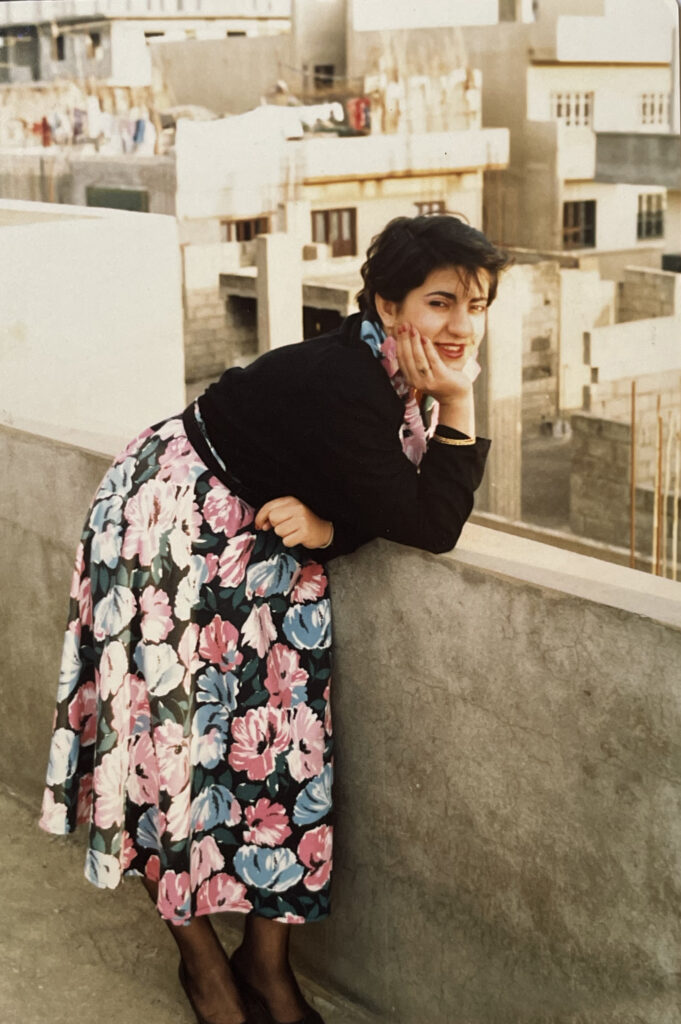
Hiyam Hammoud, my mother, posing on her rooftop in the old city of Tartus with a new skirt, 1985. 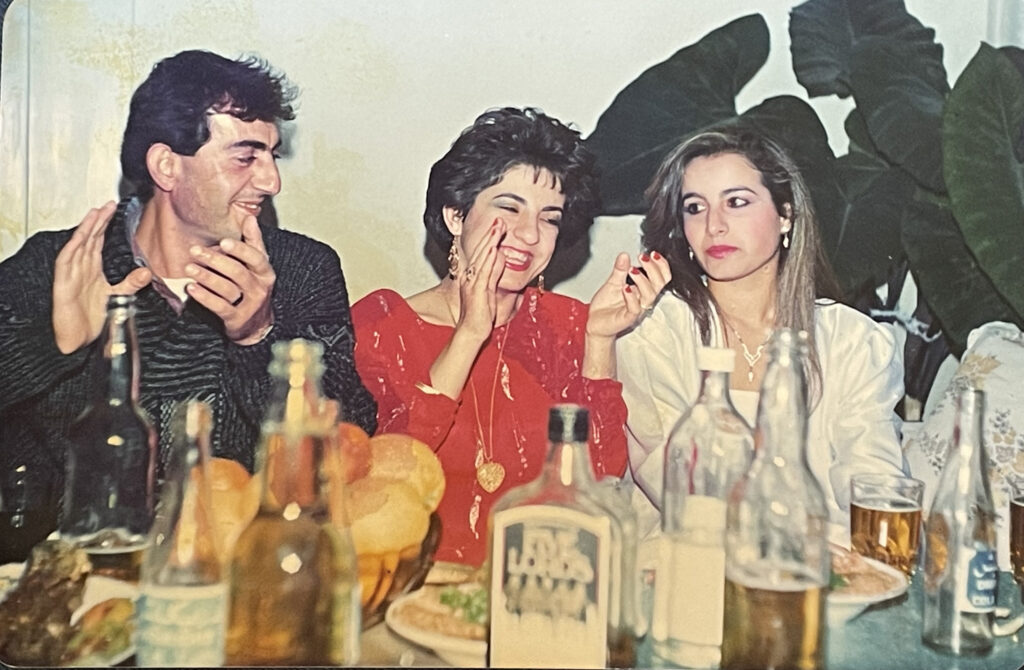
From the left, my father Ibrahim Belal with my mother and her friend at a wedding. 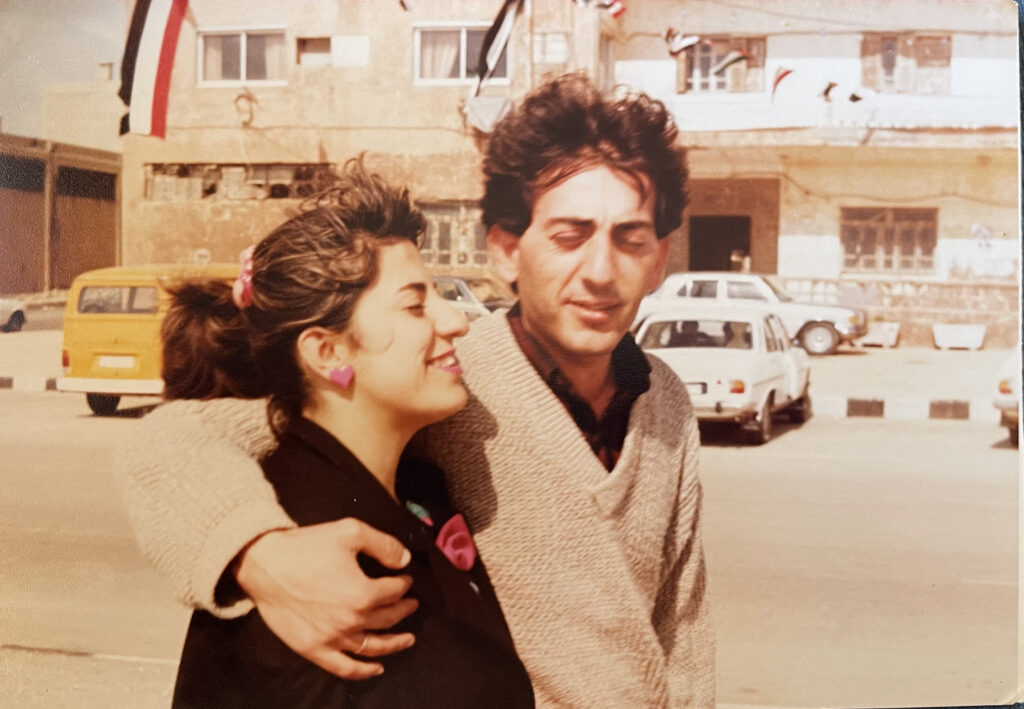
My father and mother hugging each other on the street in Tartus, 1986. 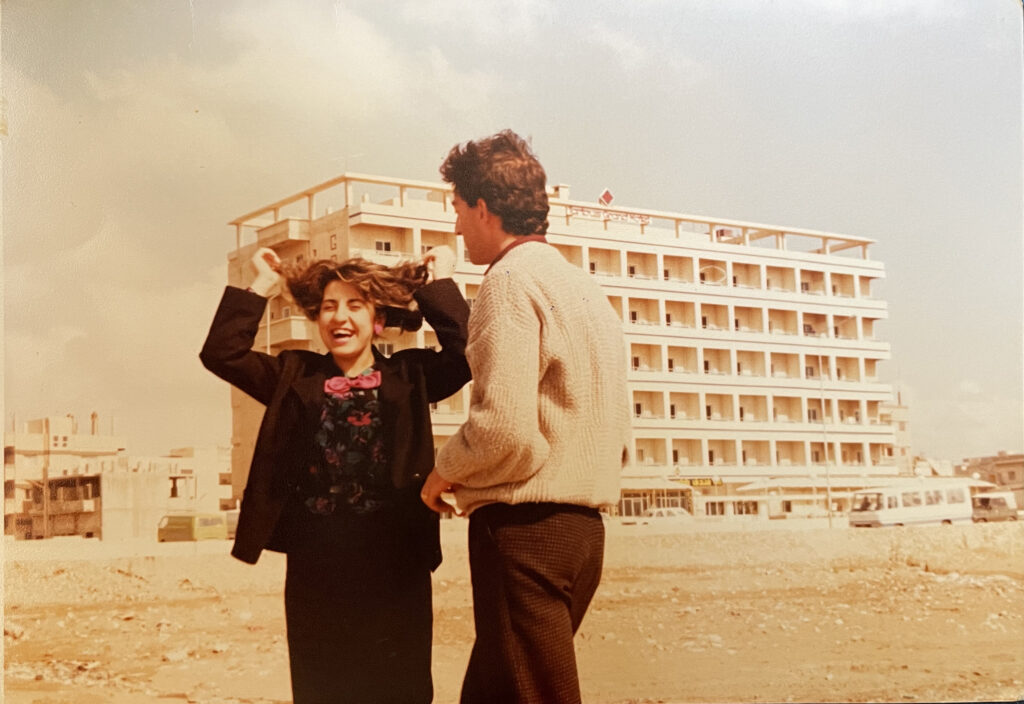
My parents during a photo session in front of one of the hotels in Tartus at the Corniche, 1986. 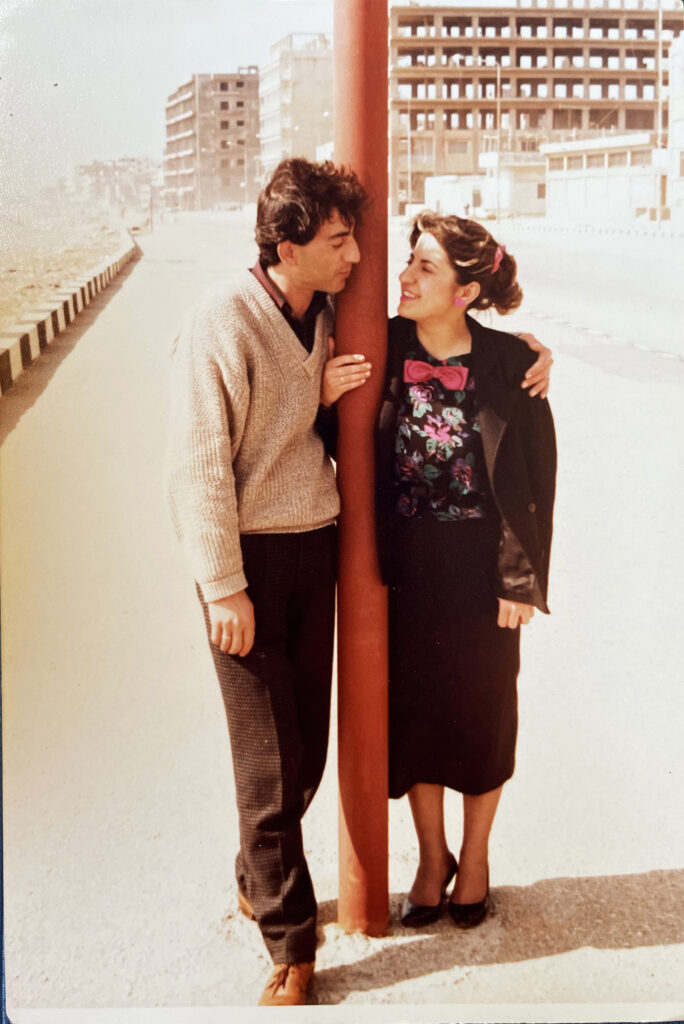
My parents during a photo session in front of one of the hotels in Tartus at the Corniche, 1986. 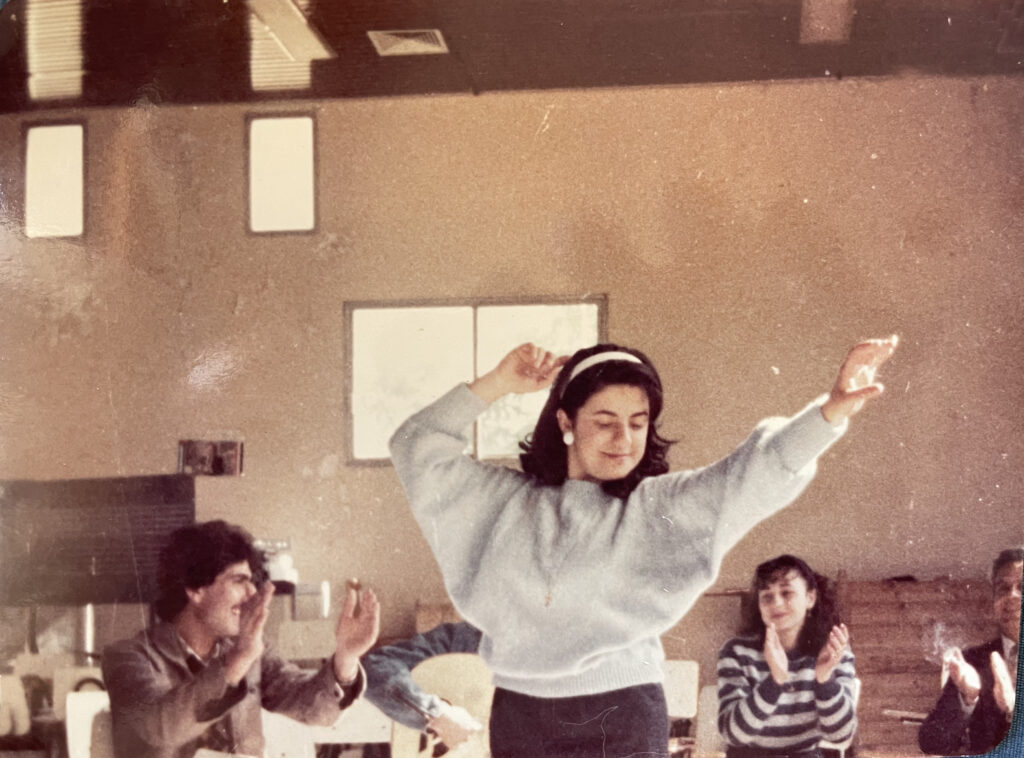
My mom dancing at one of the parties at her school 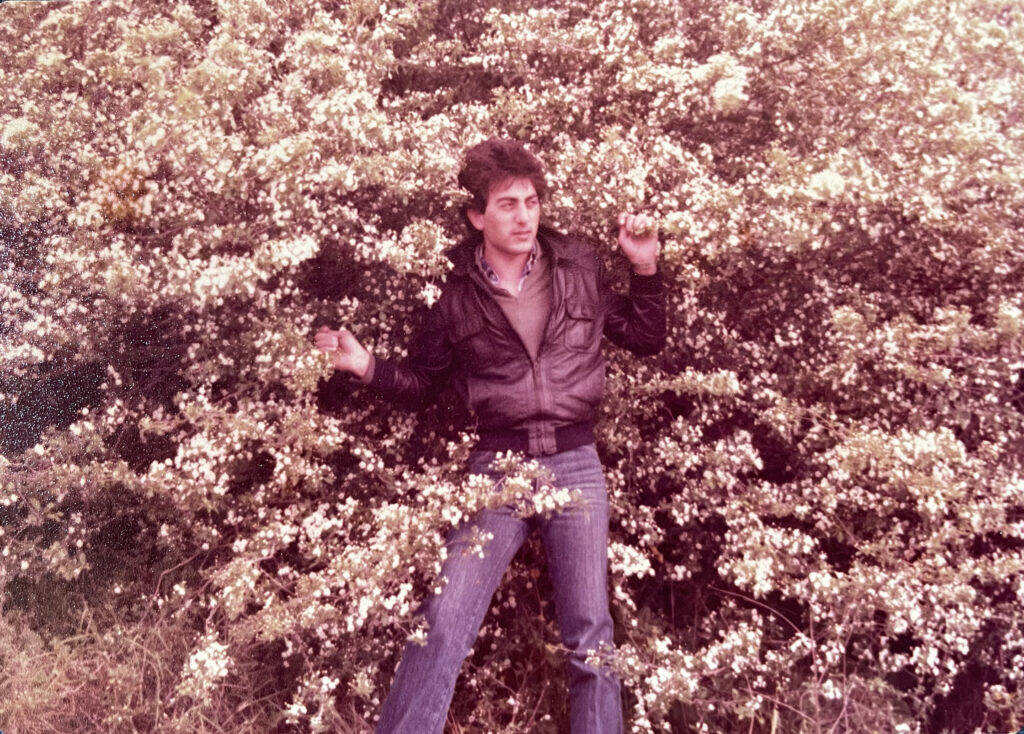
My father at his village near Tartus. 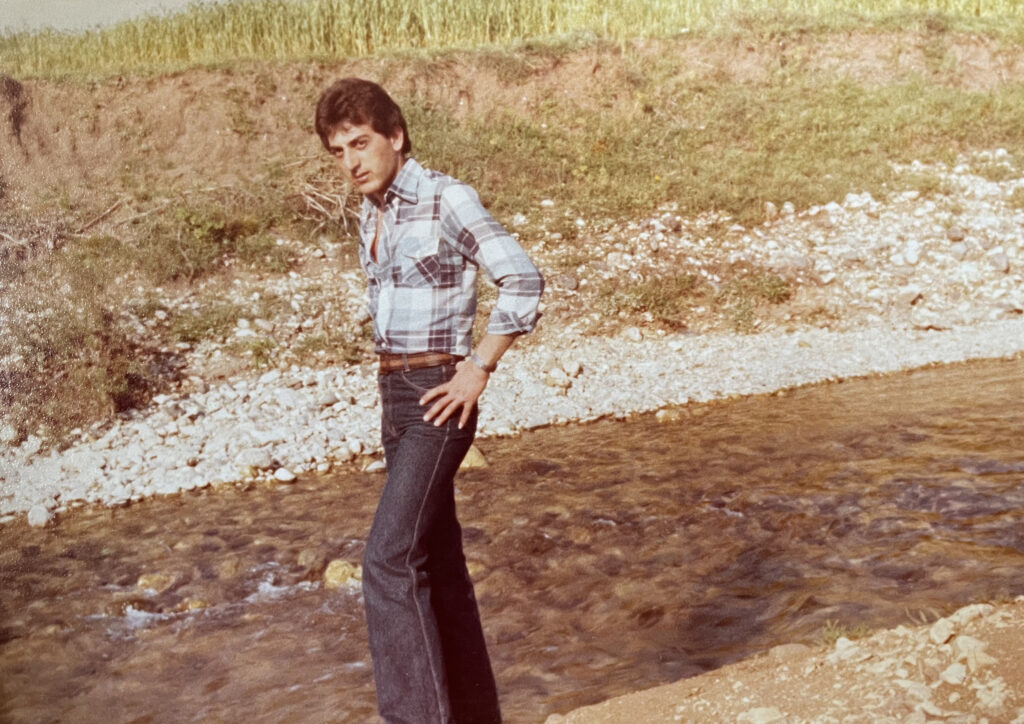
My father at his village near Tartus. 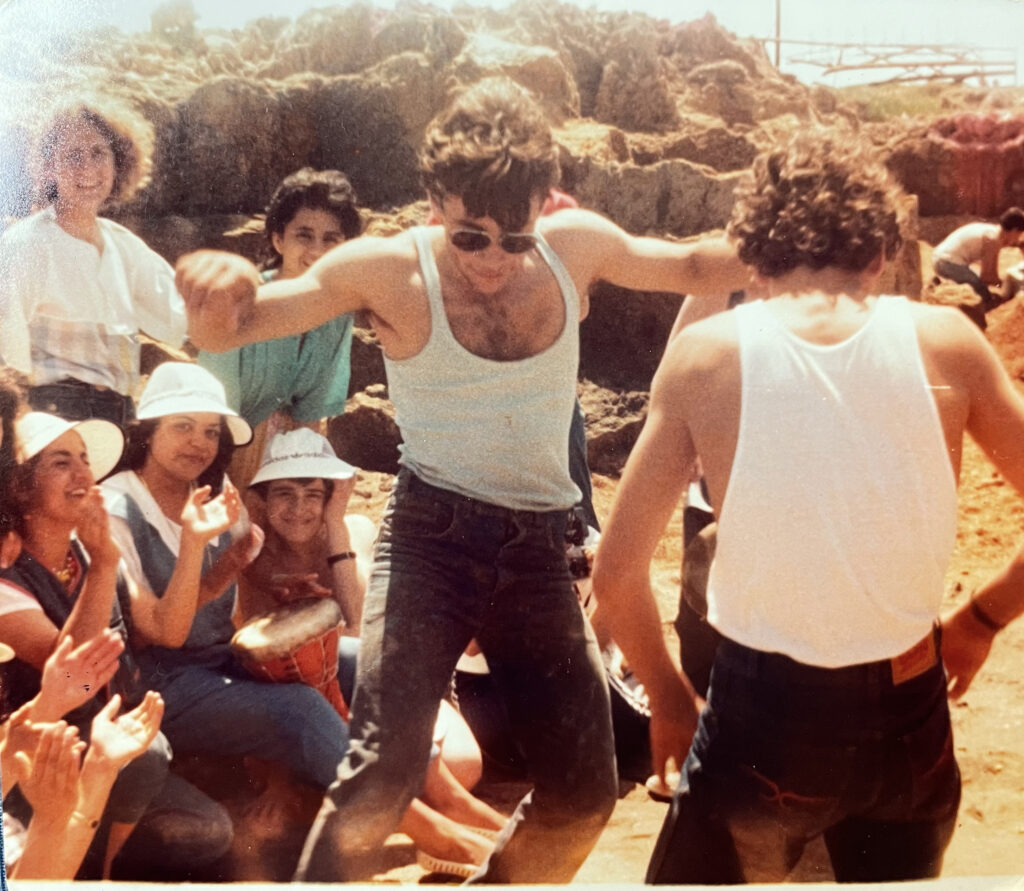
My mom on a school trip to Arwad Island, Tartus. 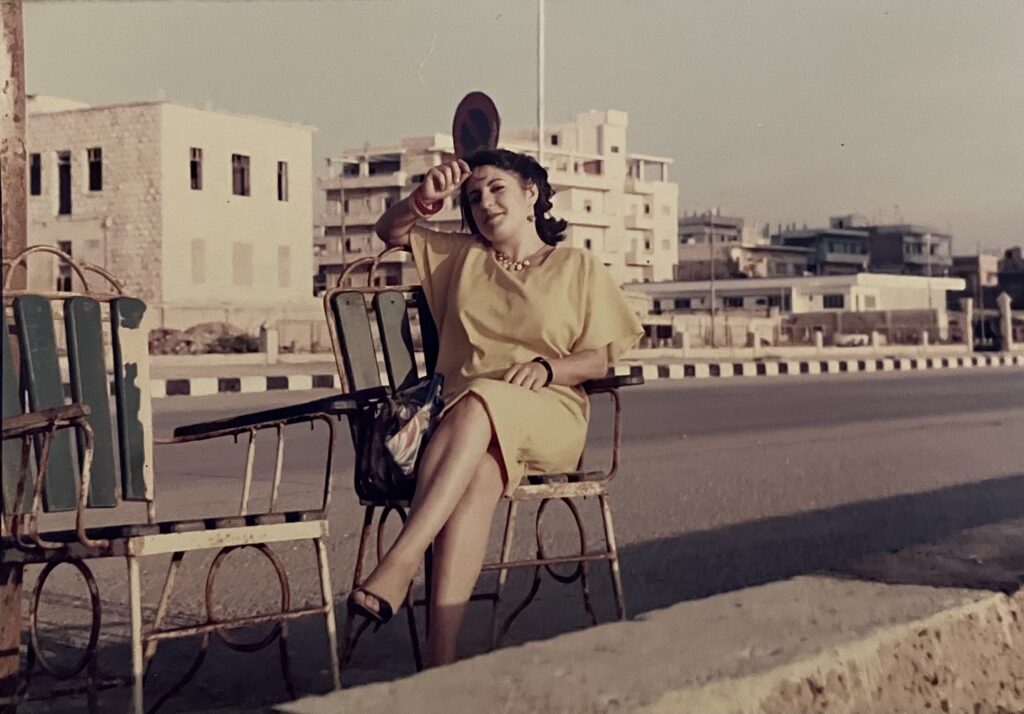
My mom in her new yellow dress chilling in front of her house in the old city of Tartus. 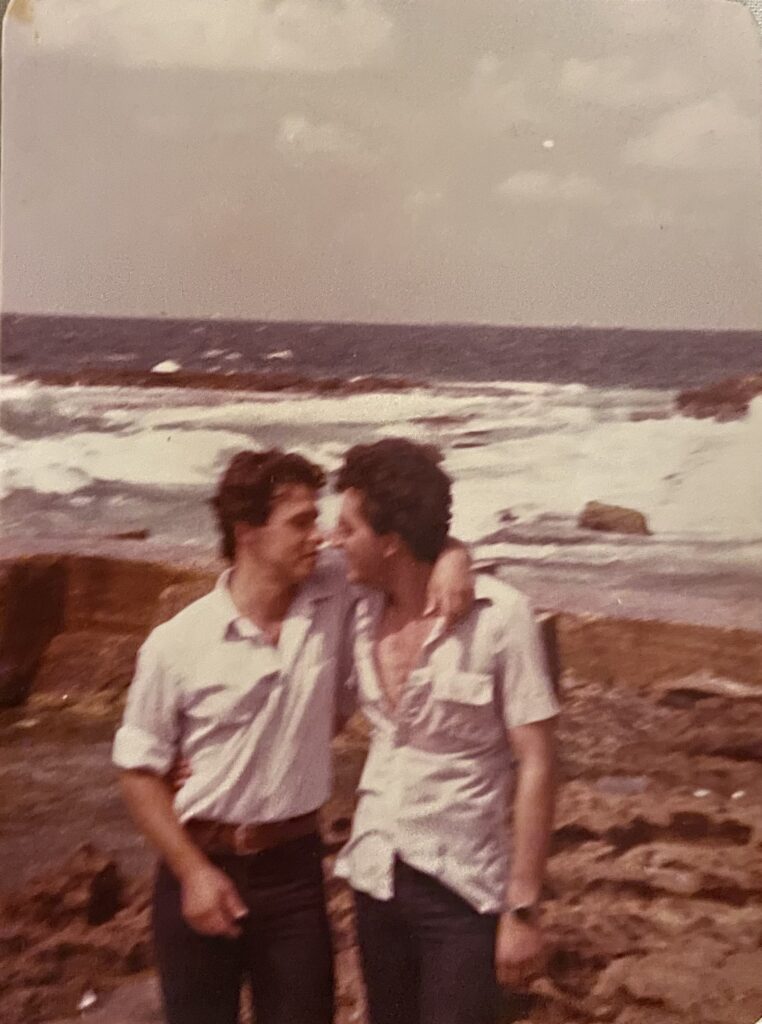
My father with his close friend pausing for a photo on the beach of Tartus. 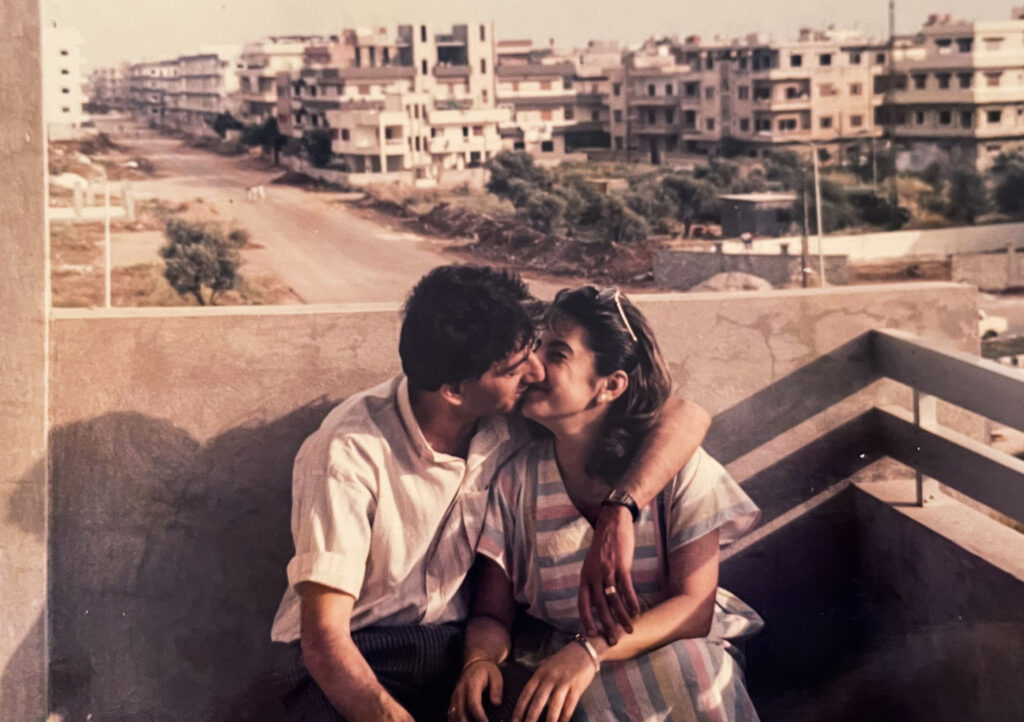
My mom and dad kissing each other during their engagement period.
