
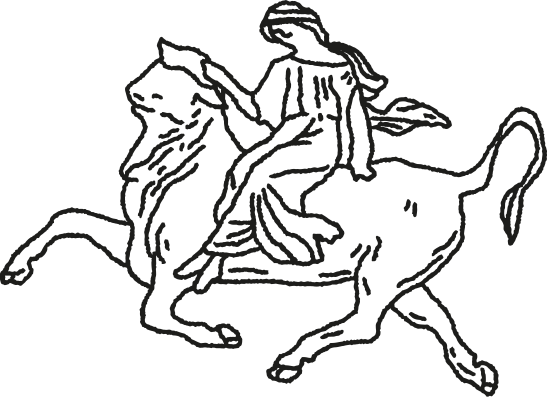
To [X] is to [Y]
-

« We are the winners of Eurovision »
published in
Lithuania has lost the Eurovision Song Contest thirty times.
-

The coldest, cleanest water in EuropeThis article is available for Members only. Check out our subscription plans to become a member.
published in
Solitary sailing, and the philosophy thereof: What sort of writing is possible when the mind is at sea and so entirely occupied and swaddled?
-

Ice queens, sex machinesThis article is available for Members only. Check out our subscription plans to become a member.
published in
Insofar as erotica can ever be about something, what is Russia-themed erotica about?
-

Tragedy & farce in climate commentary
published in
« We are fucked » vs. « It’s not too late ». The Club of Rome’s Earth for All offers a burst of stubborn optimism. But when does stubborn optimism become cruel optimism?
-
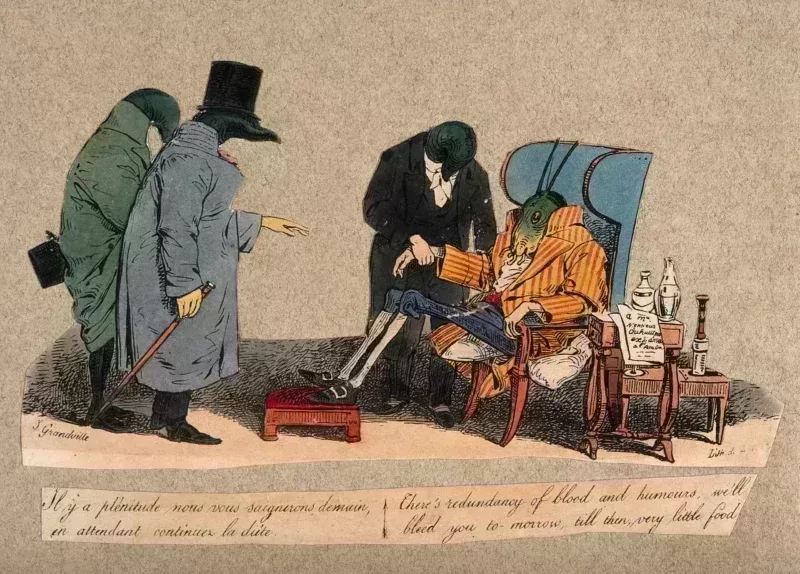
The inborn germThis article is available for Members only. Check out our subscription plans to become a member.
published in
Why death? Who or what dies? Philosophers tend not to explain, but to justify. When do such questions become biological questions? Does it help?
-
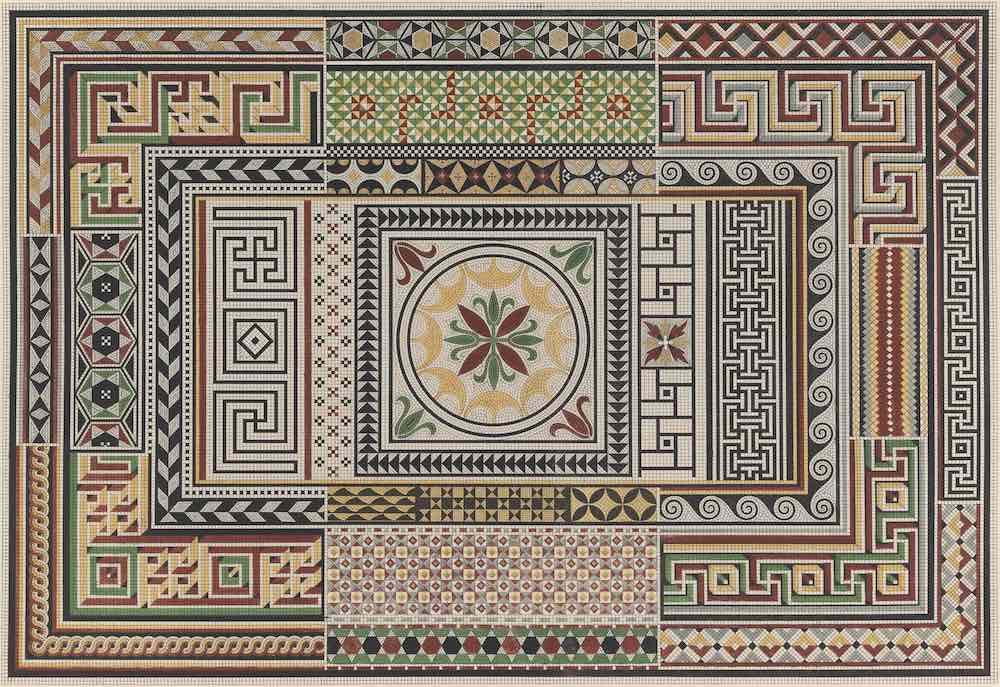
A breast is a breast is a breastThis article is available for Members only. Check out our subscription plans to become a member.
published in
To contemplate Pompeii is to contemplate archeology in its most extreme form, framed by the wish not only for discovery, but for resurrection.
-
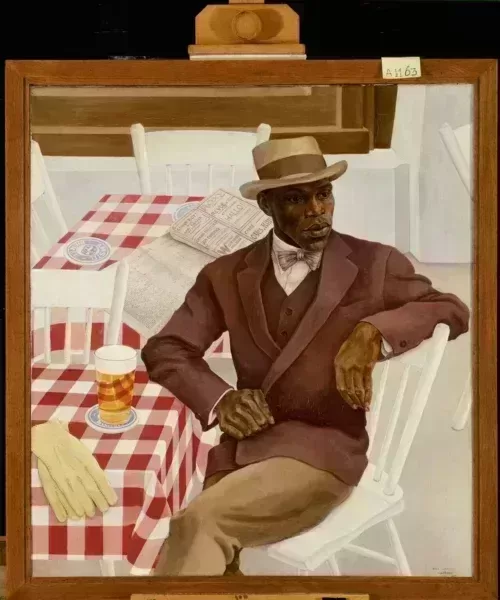
Ballad of a Homburg hatThis article is available for Members only. Check out our subscription plans to become a member.
published in
On racial metonymy and the art of misidentification. (Meanwhile: has a glass of beer ever been more crisply and deliciously depicted? Has the froth of a European pilsner ever looked so delectable?)
-
The prodigal half-roosterThis article is available for Members only. Check out our subscription plans to become a member.
published in
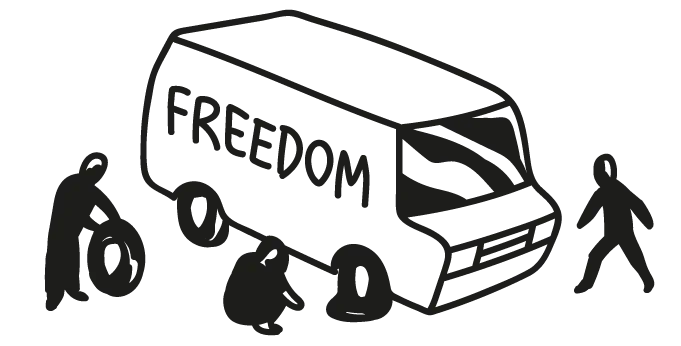
Maggie Nelson’s On Freedom and Lea Ypi’s Free spoke past one another from half a world away. But both ask whether freedoms mean anything if they are not practiced in public, and if they are not passed on — and whether the word « freedom » means anything at all.